
Act now to protect forests: sign the #HandsOffNature petition!
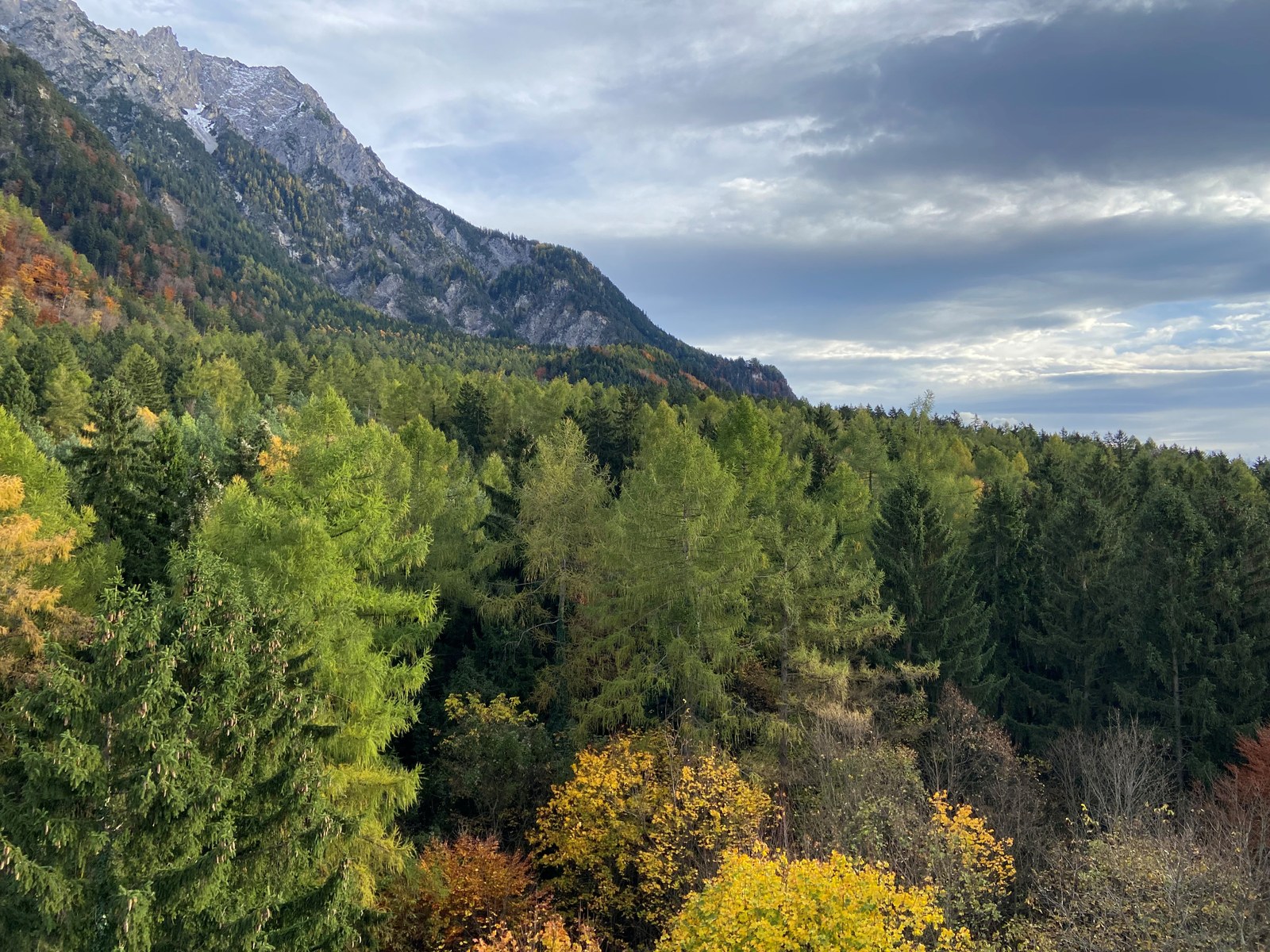
More than 40 percent of the Alpine region is covered by forests. They are not only a defining feature of the landscape, but also a cornerstone of Alpine livelihood, providing building materials, supporting biodiversity, and delivering essential ecosystem services.

Who is CIPRA?
Find out more!
More articles
CIPRA International
How much protection for protected areas?
The Alps are a bastion of biodiversity, a function that will become even more important in the future as rising temperatures endanger the survival of many species at lower altitudes.
CIPRA International
Sustainable transport policy for an improved quality of life
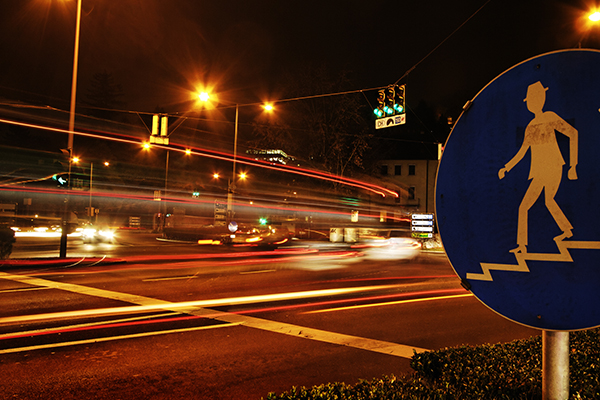
On Liechtenstein’s doorstep, in the Austrian town of Feldkirch, the planning process is currently underway for a gigantic road construction project in the form of the Feldkirch Urban Tunnel.
CIPRA International
Working together for the future of the Alps
In terms of policymaking for the Alps, 2014 was an eventful year. The stage was set for the development of a macro-regional Alpine strategy to find transnational solutions to problems encountered throughout the Alpine space and develop innovative projects specifically targeted at the Alps, and progress was made in defining the terms of reference.

CIPRA International
Reducing road traffic is a long distance race
We face many problems relating to excess traffic, especially in cities. It causes air pollution and noise, and hampers land use.
Events
|
Trento Film Festival | Santa Croce street, 67; I-38122 Trento | |
|
ForumAlpinum 2026 | Aosta | |
|
Webinar: The journey of water | online | |
|
XIV European Mountain Convention | Sallanches / France | |
|
Alps in Motion: new Alpine-wide Day of Action | alpswide |
Projects
CIPRA International
YPAC
CIPRA International
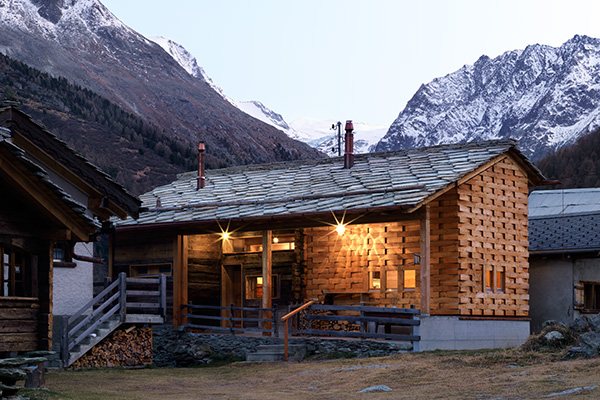
Constructive Alps
CIPRA
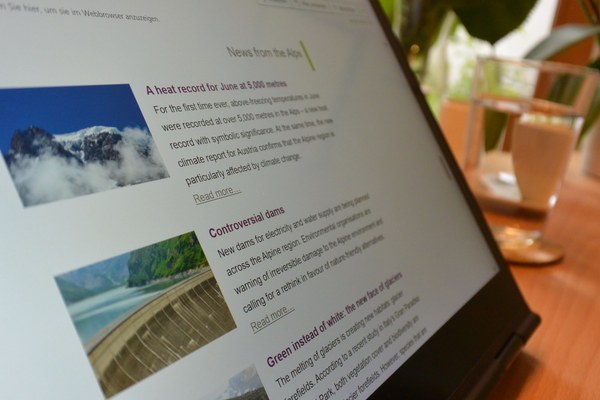
alpMedia
The alpMedia newsletter offers boundless information from and for the Alps. CIPRA launched this service in the International Year of the Mountain in 2002. Today the alpMedia Newsletter is published at irregular intervals in the four main languages of the Alps, i.e. French, German, Italian and Slovene. Important messages are merged in an English edition several times a year.