
Sofie Terzer, CIPRA International
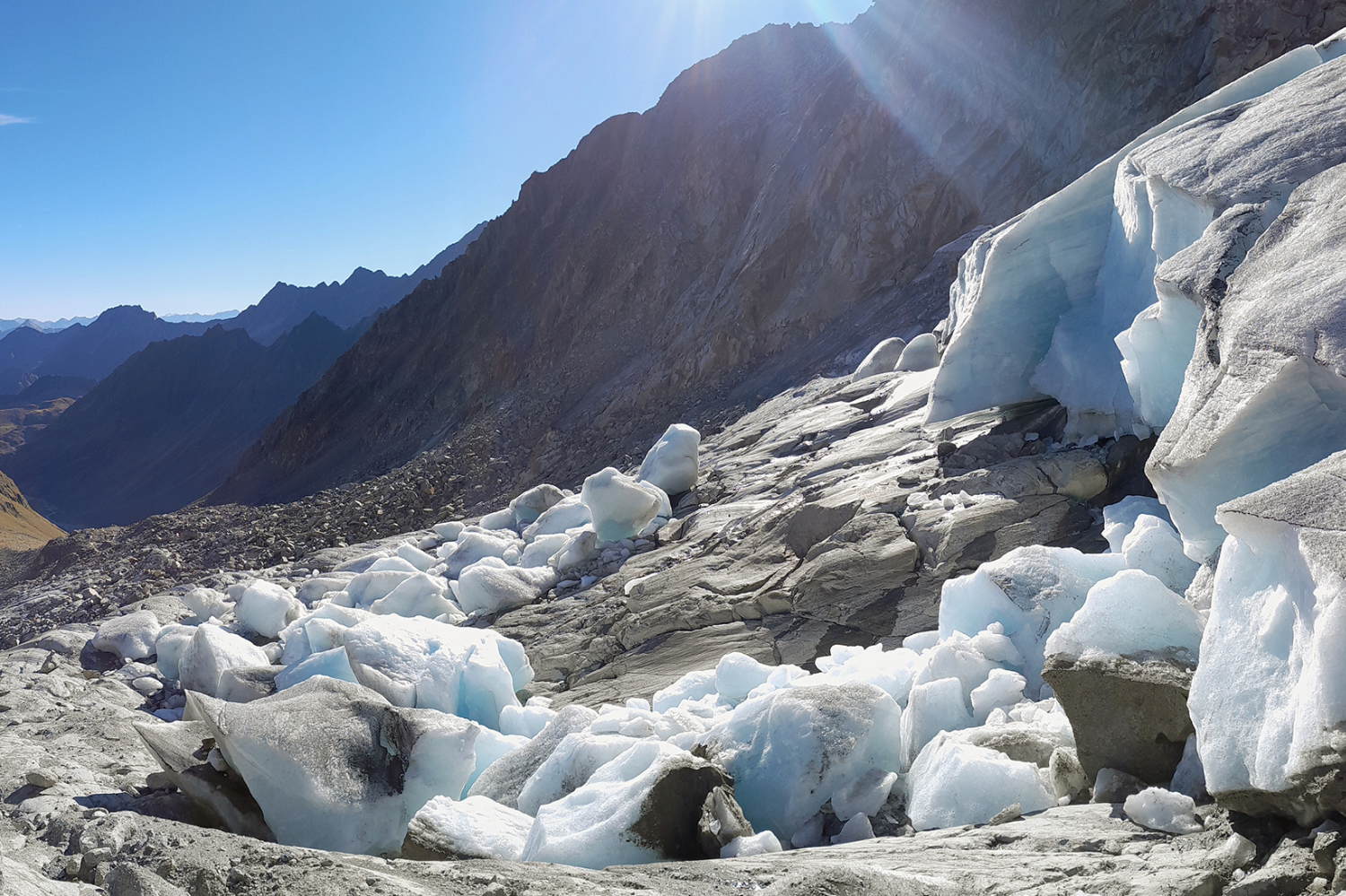
Collapsing Alpine glaciers
Austria’s ice giants are shrinking rapidly and literally crumbling away; Germany will soon be ice-free. Research shows that retreating glaciers mean we are losing not only water reservoirs, but also archives of human history.
CIPRA Germany

Would you like to find out more about CIPRA's country representative in Germany? Click here!
More news
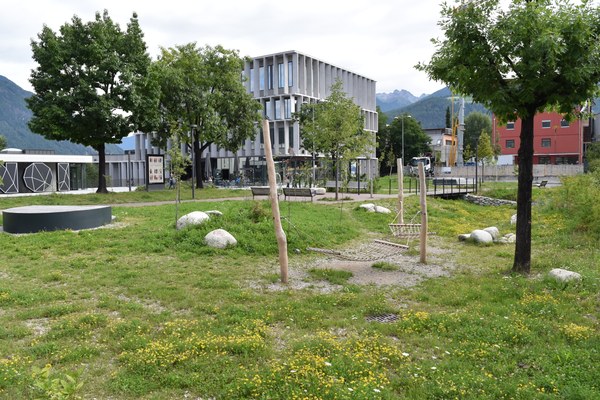
Three years for living soils: Ground:breaking takes stock
Through the Ground:breaking project, CIPRA has spent three years demonstrating how sealed soils can be revitalised – and why this is crucial for the climate, biodiversity and quality of life in the Alpine region.
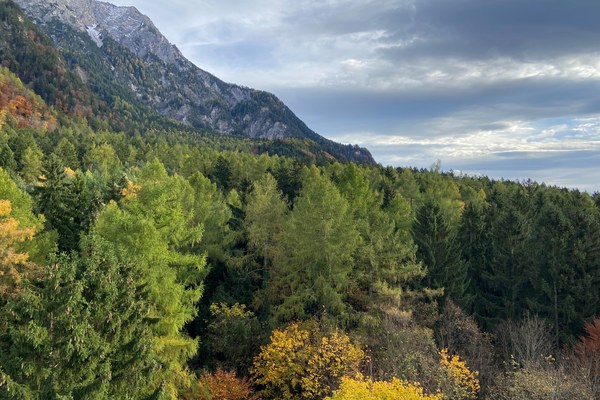
Act now to protect forests: sign the #HandsOffNature petition!
More than 40 percent of the Alpine region is covered by forests. They are not only a defining feature of the landscape, but also a cornerstone of Alpine livelihood, providing building materials, supporting biodiversity, and delivering essential ecosystem services.
Michael Gams, CIPRA International
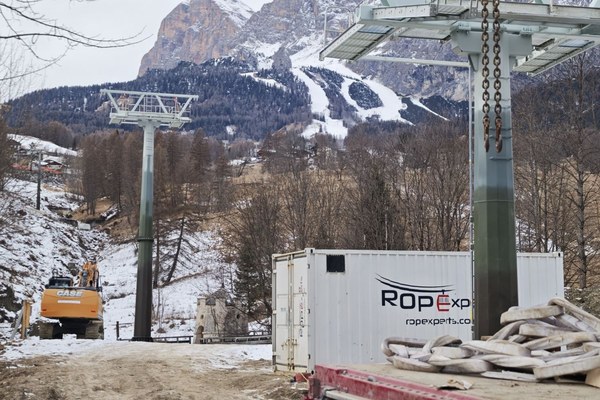
Winter Olympics on shaky ground
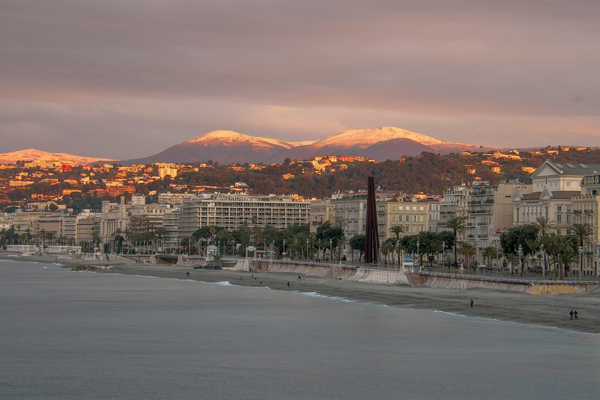
Use as much concrete and steel as possible: that seems to be the sustainability strategy for the Winter Olympics in the Italian Alps. Mountain communities are particularly affected. The icing on the cake is the construction of a new cable car on a slippery slope in Cortina.
Sofie Terzer, CIPRA International
After the Games is before the Games
The French people were not involved in the planning of the 2030 Winter Olympics. Environmental organisations are mobilising for public participation and sustainable Games. Meanwhile, Switzerland is preparing its Olympic bid for 2038.
Events
There is nothing to see here at the moment. Why not take a look at the other countries?
Projects
CIPRA International
MultiBios
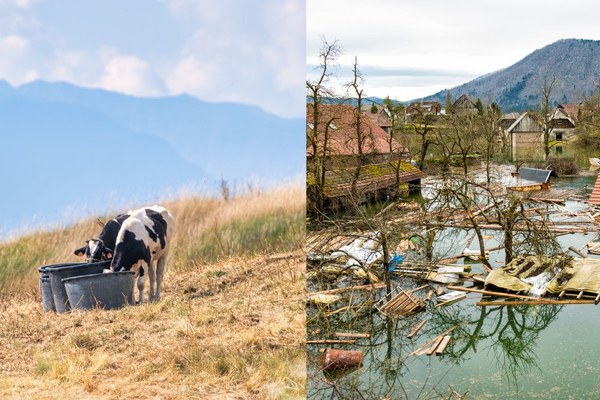
[Project completed] In addition to well-known natural hazards such as mudslides and floods, heatwaves and droughts are increasingly affecting the Alpine region. The international project MultiBios is working together with biosphere parks to explore how affected communities and regions can better prepare for multiple climate risks.
CIPRA International
Ars vivendi
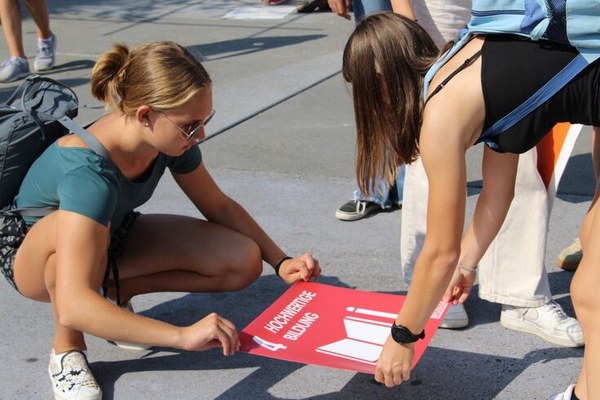
[Project completed] How can the Sustainable Development Goals (SDGs) be learned and taught? In the project «ars vivendi» a didactic tool for the Global Agenda 2030 is being developed.
CIPRA Deutschland | CIPRA France
DINAMO
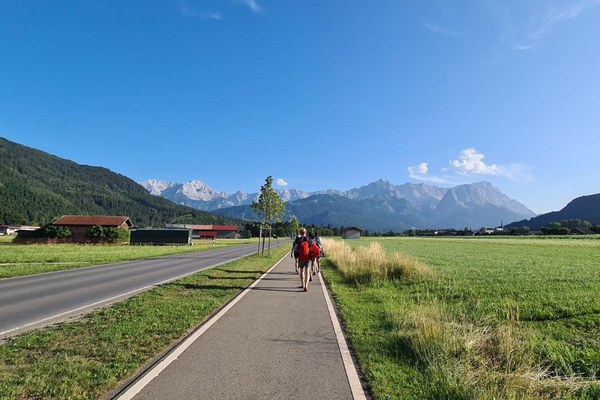
[Project competed] In many rural areas of the Alps, public transport services are inadequate for daily needs and tourism development. In some remote mountain regions, this is one of the reasons why there is a considerable amount of car traffic, especially on weekends, public holidays and during rush hours. There are various reasons for this, including the high cost of public transport solutions due to low population density, inadequate public transport options (such as timetables, accessibility, connectivity, travel time and costs) and political and social preferences in favour of private motorised transport.