Act now to protect forests: sign the #HandsOffNature petition!
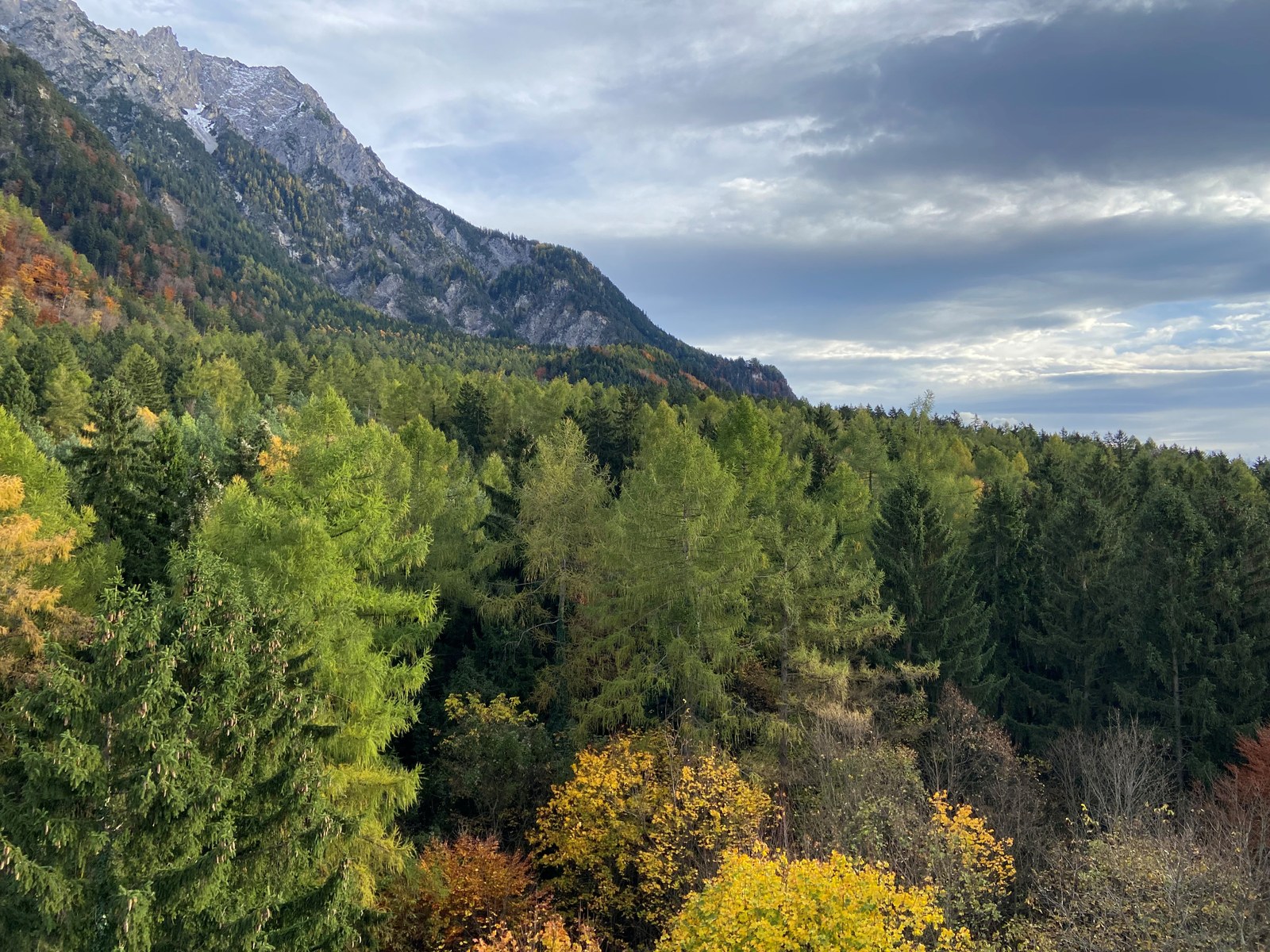
More than 40 percent of the Alpine region is covered by forests. They are not only a defining feature of the landscape, but also a cornerstone of Alpine livelihood, providing building materials, supporting biodiversity, and delivering essential ecosystem services.

Who is CIPRA?
Find out more!
More articles
alpMedia
“There's no other way”
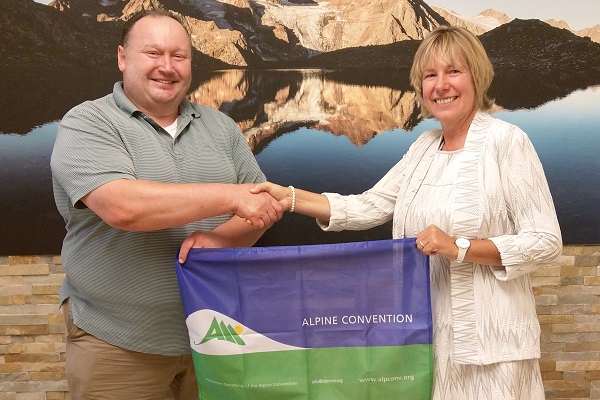
As a minister, 55-year-old Slovenian Alenka Smerkolj has already drawn up a strategy for Slovenia's sustainable development. As Secretary General of the Alpine Convention, she now intends to continue along this path.
alpMedia
Sectorial Development of Green Economy in the Alpine Region
The final document on the Green Economy Action Programme has been adopted by the alpine ministers at the XV. Alpine conference in Innsbruck on the 4th of April 2019. The Action Programme was elaborated by the consortium blue!, CIPRA International and Spatial Foresight.

alpMedia
Point of view: So the landscape has a future
The guardians of the landscape are the people who live there. They must be involved in the decision-making and development processes, says Špela Berlot, Managing Director of CIPRA Slovenia.
alpMedia
Holidaying with a clear conscience
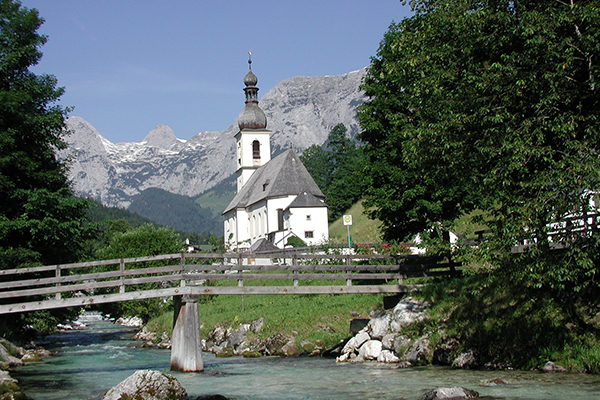
From Germany’s first mountaineering village, to the Italian “Albergo Diffuso”, to coworking space in a Swiss holiday region: three inspiring examples that show how environmentally friendly and socially responsible holidays in the Alps can be.
Events
|
Trento Film Festival | Santa Croce street, 67; I-38122 Trento | |
|
ForumAlpinum 2026 | Aosta | |
|
Webinar: The journey of water | online | |
|
XIV European Mountain Convention | Sallanches / France | |
|
Alps in Motion: new Alpine-wide Day of Action | alpswide |
Projects
CIPRA International
YPAC
CIPRA International
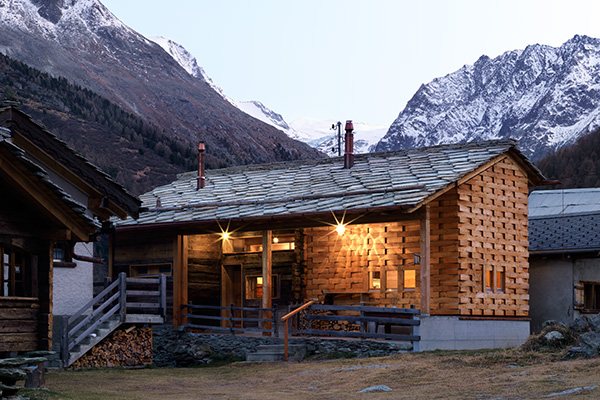
Constructive Alps
CIPRA
alpMedia
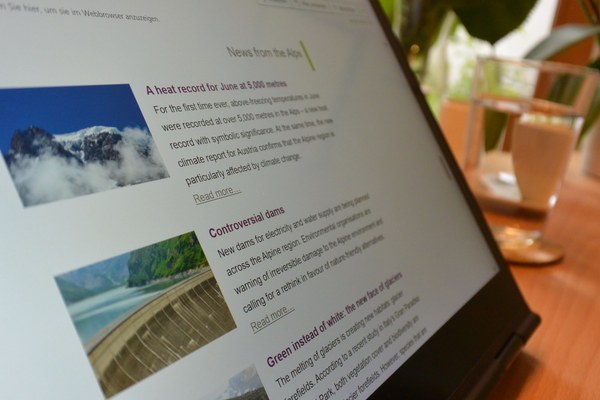
The alpMedia newsletter offers boundless information from and for the Alps. CIPRA launched this service in the International Year of the Mountain in 2002. Today the alpMedia Newsletter is published at irregular intervals in the four main languages of the Alps, i.e. French, German, Italian and Slovene. Important messages are merged in an English edition several times a year.