
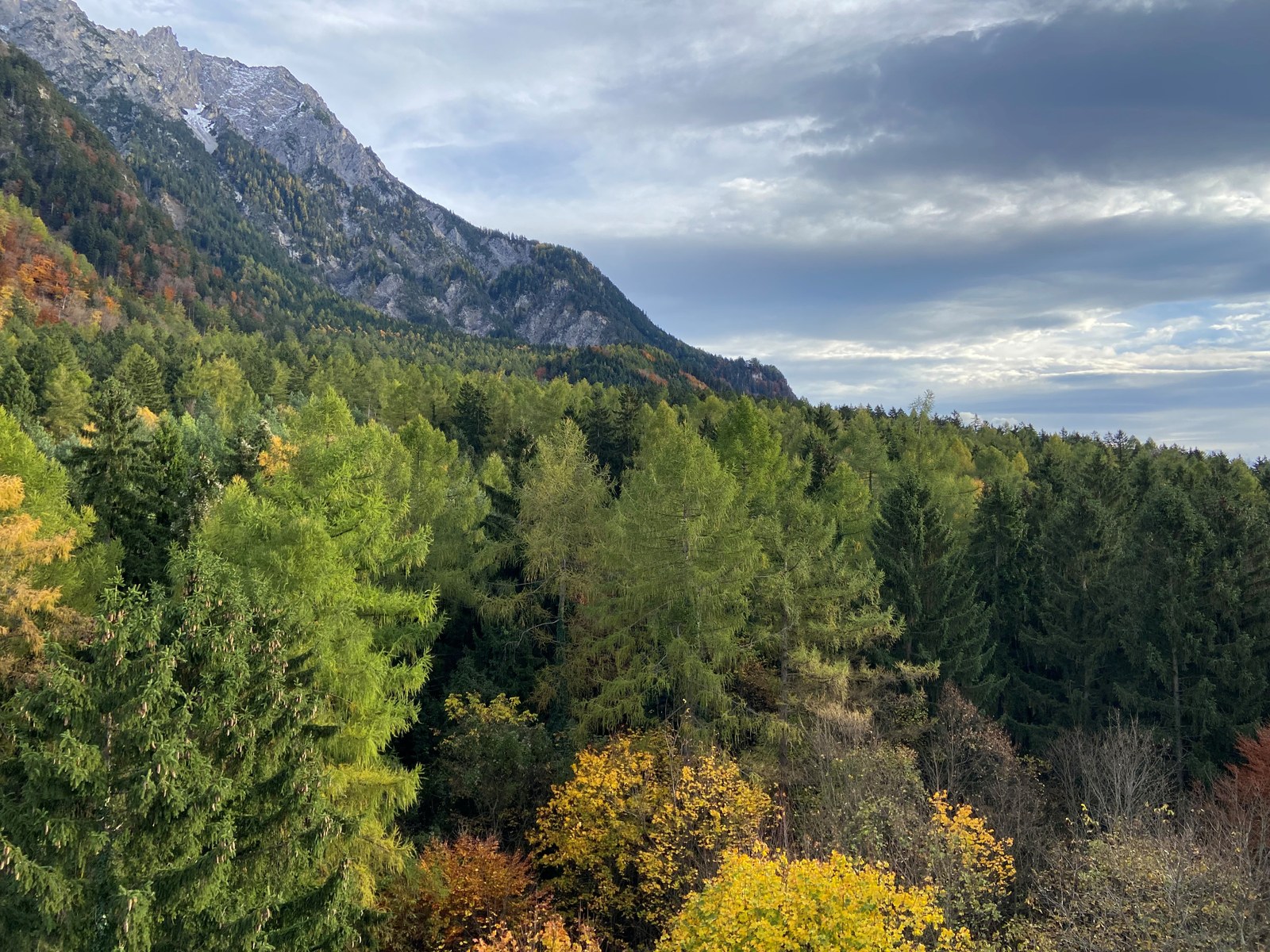
Act now to protect forests: sign the #HandsOffNature petition!
More than 40 percent of the Alpine region is covered by forests. They are not only a defining feature of the landscape, but also a cornerstone of Alpine livelihood, providing building materials, supporting biodiversity, and delivering essential ecosystem services.

Who is CIPRA?
Find out more!
More articles
alpMedia
Talking about the climate – but how?
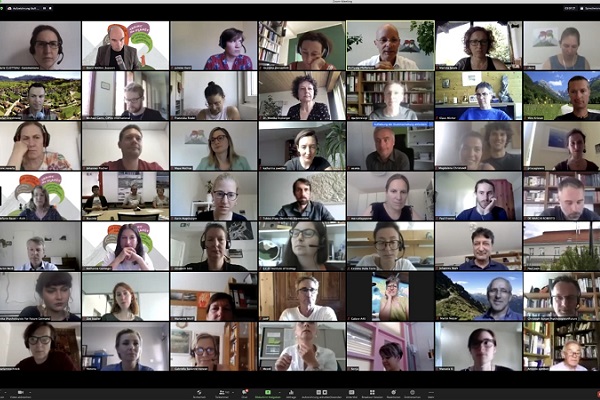
Personal, visual, social: this is how we communicate the climate crisis more effectively. Around 250 people discussed language, psychology and social media in the online conference “Tell stories, prick up your ears, make contacts”.

alpMedia
What can we learn from the coronavirus crisis?
In the Alps, too, the question now arises as to what will happen after the corona crisis. As part of its development of new projects, CIPRA conducted a survey to gain an impression of the current mood.
alpMedia
Vision Velo Alpina: a cycle path through the Alps
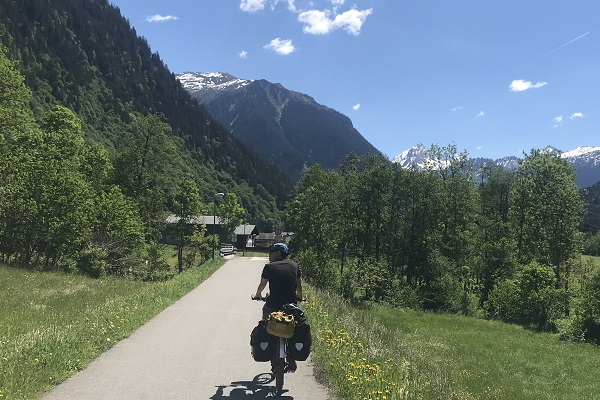
The Alpe-Adria cycle path or the Eurovelo routes: in the Alps there already exist cross-border long-distance cycle paths, but there is not yet a route through all the Alpine countries. A project to test the feasibility of a Velo Alpina wants to change this.
alpMedia
Point of view: The mountains, a safe place
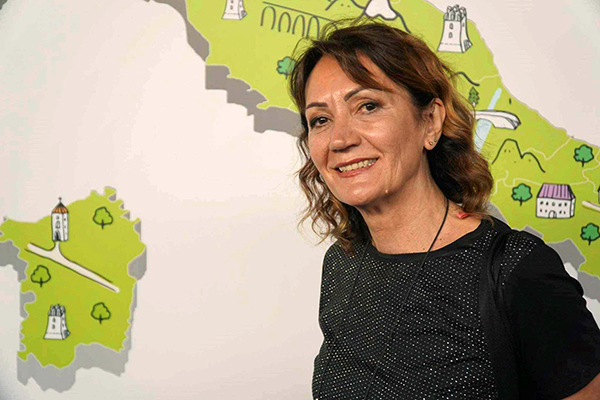
During the lockdown due to the corona pandemic, mountain areas have gained in importance as places of retreat. In order to be able to fulfil this role better in the future, they must be strengthened and digitally networked, demands Vanda Bonardo, President of CIPRA Italy.
Events
|
Trento Film Festival | Santa Croce street, 67; I-38122 Trento | |
|
ForumAlpinum 2026 | Aosta | |
|
Webinar: The journey of water | online | |
|
XIV European Mountain Convention | Sallanches / France | |
|
Alps in Motion: new Alpine-wide Day of Action | alpswide |
Projects
CIPRA International | CIPRA Deutschland | CIPRA Italia | CIPRA France
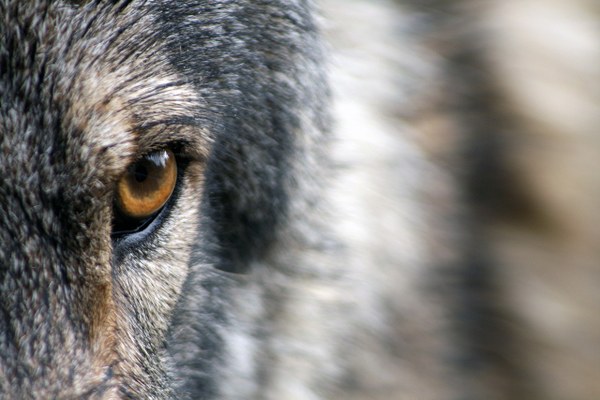
Knowledge transfer on the co-adaptation of humans and wolves in the Alpine region
[Project completed] The return of large carnivores is increasingly causing the fronts to harden between different groups of stakeholders. Among the large carnivores returning to the Alps, the wolf is the most widespread and therefore the most widely debated animal. Wolves are synanthropic animals and cross boundaries - physical as well as intangible ones – regularly. Thus, they have been accompanying and influencing social and cultural processes since time immemorial. In this project, CIPRA has taken on the task to collect, analyse, make available and disseminate knowledge about the co-adaptation of humans and wolves throughout the Alps.