
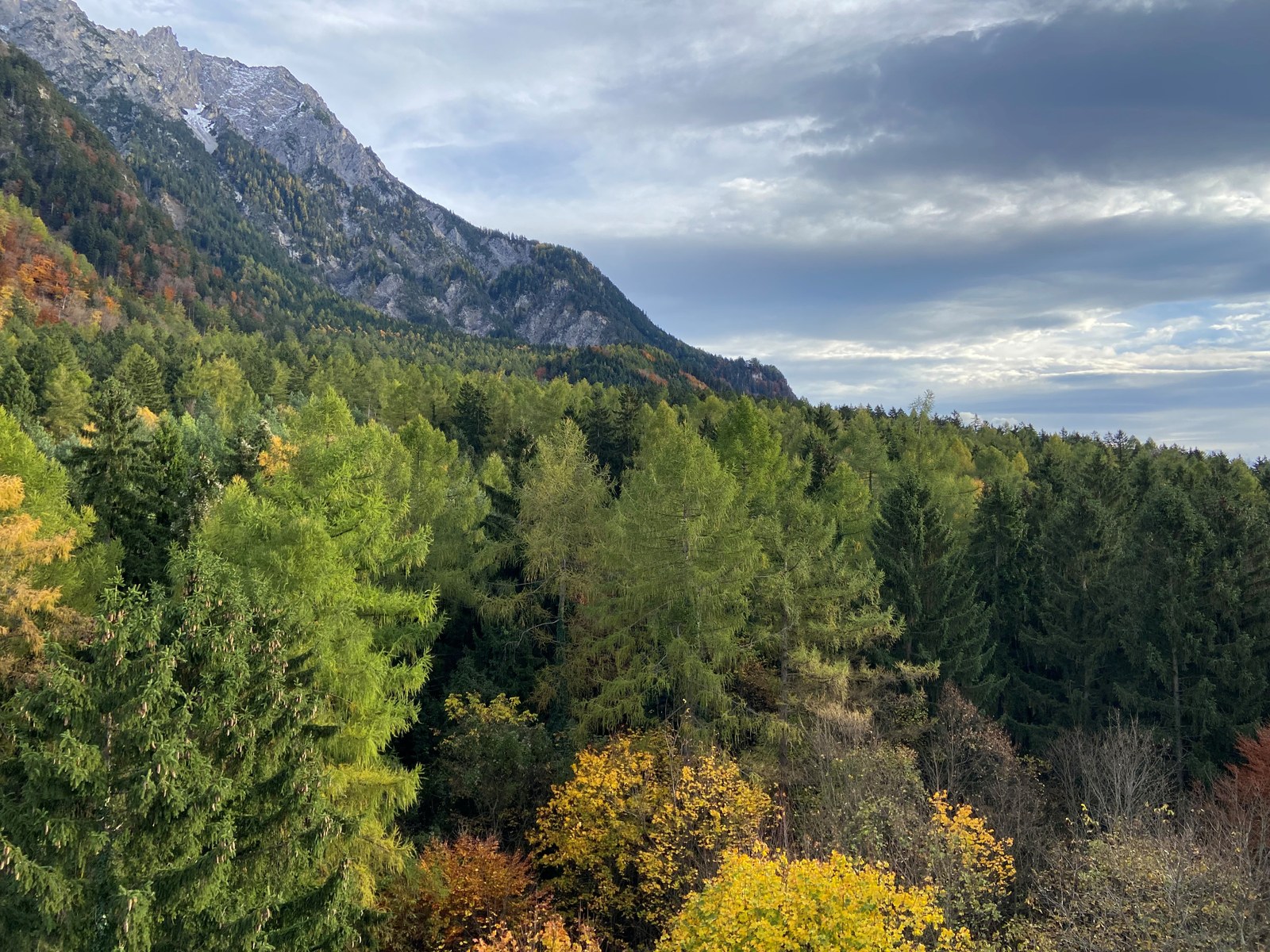
Act now to protect forests: sign the #HandsOffNature petition!
More than 40 percent of the Alpine region is covered by forests. They are not only a defining feature of the landscape, but also a cornerstone of Alpine livelihood, providing building materials, supporting biodiversity, and delivering essential ecosystem services.

Who is CIPRA?
Find out more!
More articles
Veronika Hribernik, CIPRA International
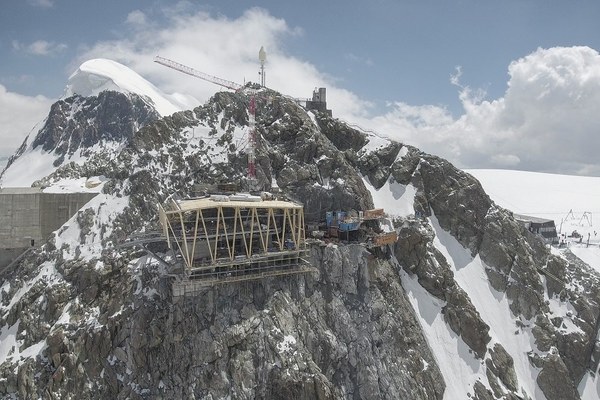
Questionable construction boom in ski resorts
Cable cars, reservoirs and blasting pylons: the Alpine landscape has been and continues to be built up for winter tourism even during the pandemic – sometimes in nature reserves and despite much criticism.
alpMedia
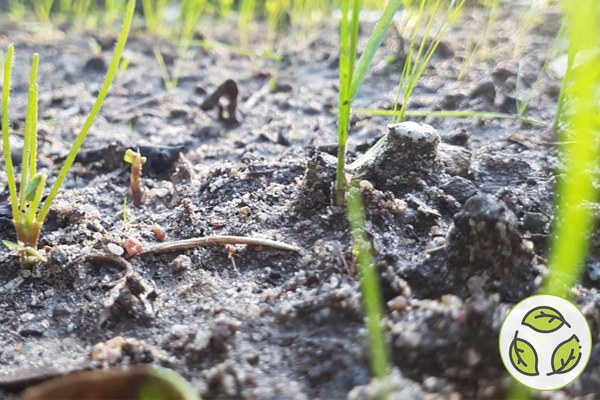
Saving land, saving soil
In the Alps and beyond, land is built up every day and valuable soils are lost. The project "Saving:Soils" shows alternatives and develops solutions together with pilot regions.
Michael Gams, CIPRA International
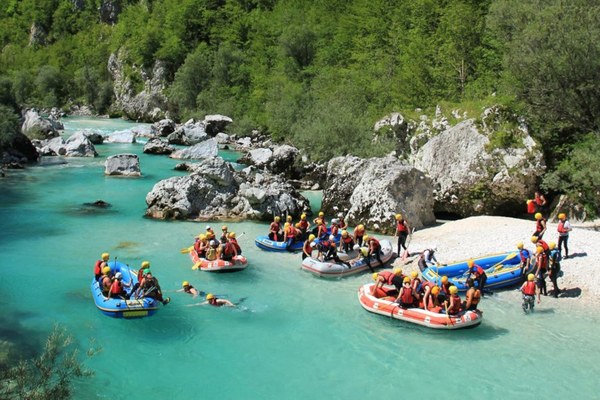
Leaving few traces along the way
How do we leave as few traces as possible on our way to the mountains or other attractions? On 22 November 2021, around 150 participants travelled virtually through the Alps during an online conference and exchanged ideas on measures to guide visitors in sensitive natural areas.
Maya Mathias, CIPRA International
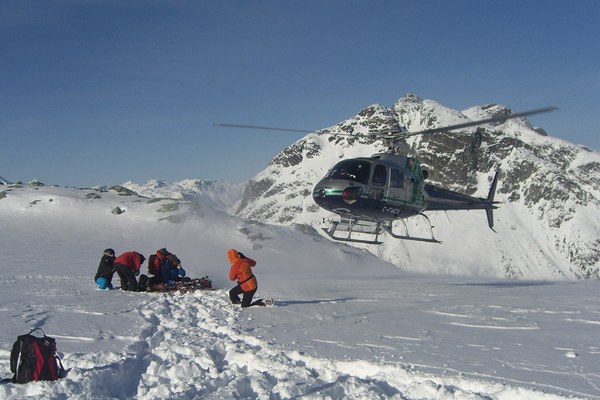
Onto the slopes by helicopter
Is heliskiing in the public interest? Vorarlberg extends its authorisation by two and a half years: CIPRA Austria calls for greater emphasis on climate protection.
Events
|
Trento Film Festival | Santa Croce street, 67; I-38122 Trento | |
|
ForumAlpinum 2026 | Aosta | |
|
Webinar: The journey of water | online | |
|
XIV European Mountain Convention | Sallanches / France | |
|
Alps in Motion: new Alpine-wide Day of Action | alpswide |
Projects
CIPRA International | CIPRA Deutschland | CIPRA Italia | CIPRA France
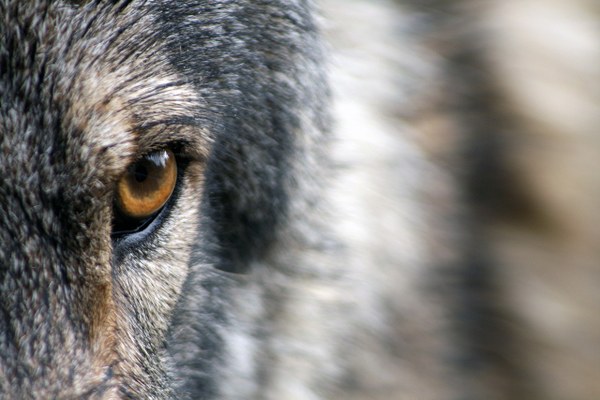
Knowledge transfer on the co-adaptation of humans and wolves in the Alpine region
[Project completed] The return of large carnivores is increasingly causing the fronts to harden between different groups of stakeholders. Among the large carnivores returning to the Alps, the wolf is the most widespread and therefore the most widely debated animal. Wolves are synanthropic animals and cross boundaries - physical as well as intangible ones – regularly. Thus, they have been accompanying and influencing social and cultural processes since time immemorial. In this project, CIPRA has taken on the task to collect, analyse, make available and disseminate knowledge about the co-adaptation of humans and wolves throughout the Alps.