
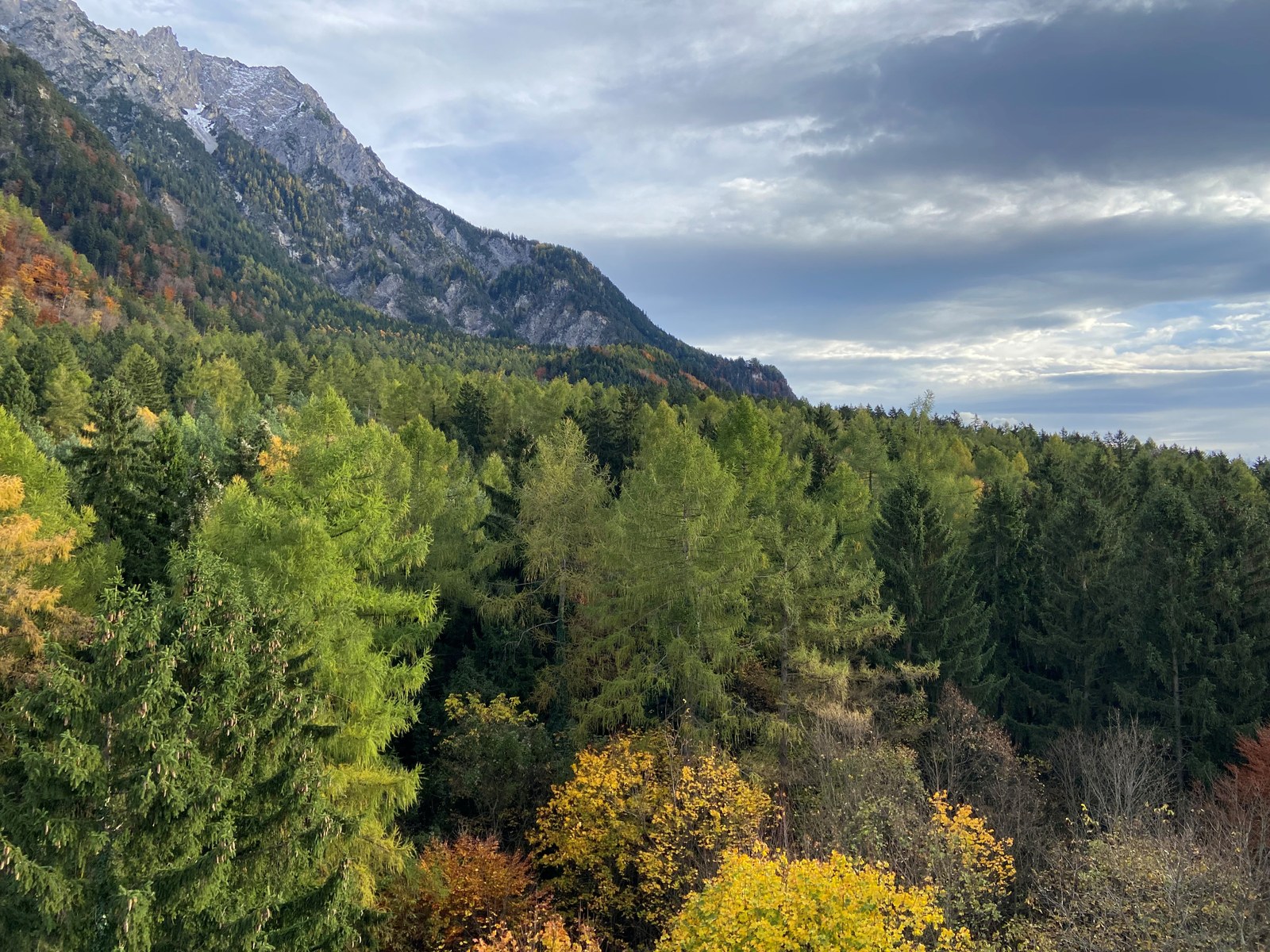
Act now to protect forests: sign the #HandsOffNature petition!
More than 40 percent of the Alpine region is covered by forests. They are not only a defining feature of the landscape, but also a cornerstone of Alpine livelihood, providing building materials, supporting biodiversity, and delivering essential ecosystem services.

Who is CIPRA?
Find out more!
More articles
Helena Lackenberger, CIPRA International
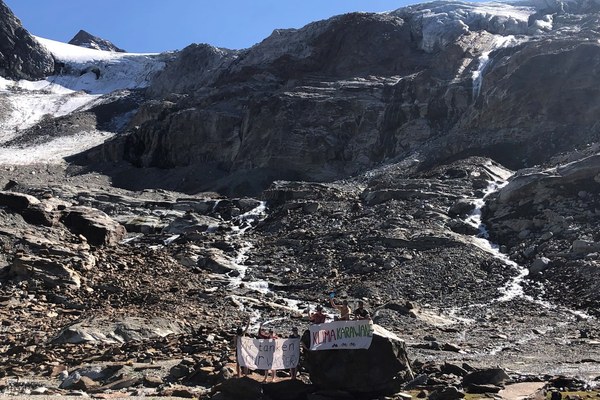
Cycling to the glacier
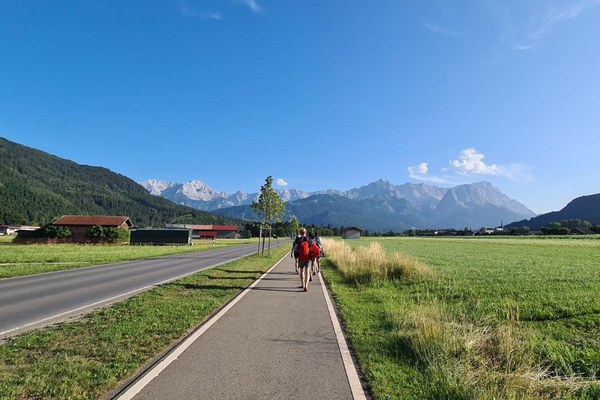
Exactly how mountaineering and climate protection can be combined was shown by a group of cyclists who biked from Lindau/D to the Ochsental Glacier/A at the start of September 2023. Topics along the way ranged from sustainable tourism to hydropower and nature conservation to glacier loss.
Veronika Hribernik, CIPRA International
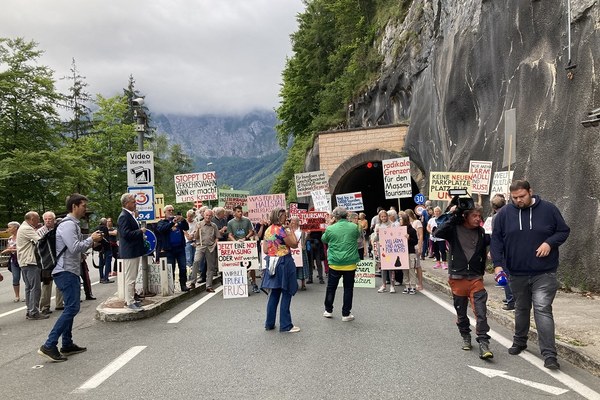
Too much, too loud, too crowded
From the tunnel blockade in Hallstatt/A to the protest rally on the Sella Pass/I: civil society is protesting against overtourism in the Alpine regions – and demanding relief for people and the environment.
Michael Gams, CIPRA International
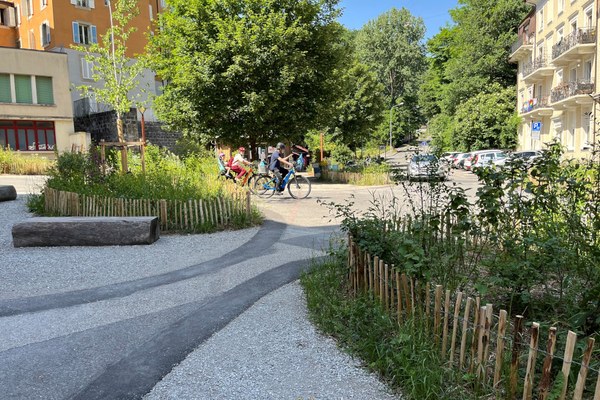
Desealing land in the Alpine region
Soils are among our most important resources. CIPRA's new project, entitled Ground:breaking, shows why desealing land is of benefit to everyone and what is needed at political, legal and local levels in the Alpine region to achieve this.
Point of view: In nature restoration we trust!
The Nature Restoration Law now obliges all EU member states to restore destroyed nature to a good ecological condition and thus safeguard the stocks of pollinators, natural resources, clean air and clean water. The Alpine region and its agriculture will also benefit, says Serena Arduino, Co-President of CIPRA International.
Events
|
Trento Film Festival | Santa Croce street, 67; I-38122 Trento | |
|
ForumAlpinum 2026 | Aosta | |
|
Webinar: The journey of water | online | |
|
XIV European Mountain Convention | Sallanches / France | |
|
Alps in Motion: new Alpine-wide Day of Action | alpswide |
Projects
CIPRA Deutschland | CIPRA France
DINAMO
[Project competed] In many rural areas of the Alps, public transport services are inadequate for daily needs and tourism development. In some remote mountain regions, this is one of the reasons why there is a considerable amount of car traffic, especially on weekends, public holidays and during rush hours. There are various reasons for this, including the high cost of public transport solutions due to low population density, inadequate public transport options (such as timetables, accessibility, connectivity, travel time and costs) and political and social preferences in favour of private motorised transport.

CIPRA International Lab
LISTEN
The LISTEN project is analysing the use of space in suburbs on the basis of three pilot regions in Belgium, Sweden and Austria. CIPRA Lab GmbH is working together with partners from research and regional stakeholders.
CIPRA International Lab
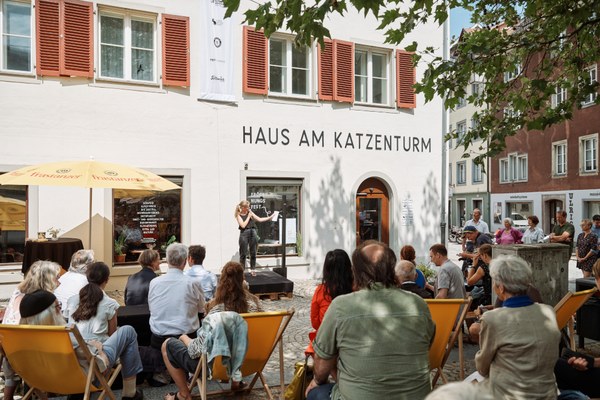
Haus am Katzenturm Association
[Project completed] Along with the association of the same name in Feldkirch/A, the “Haus am Katzenturm” networks NGOs from the environmental and nature conservation sector in the Lake Constance region and makes their topics accessible to a broad public.