Act now to protect forests: sign the #HandsOffNature petition!

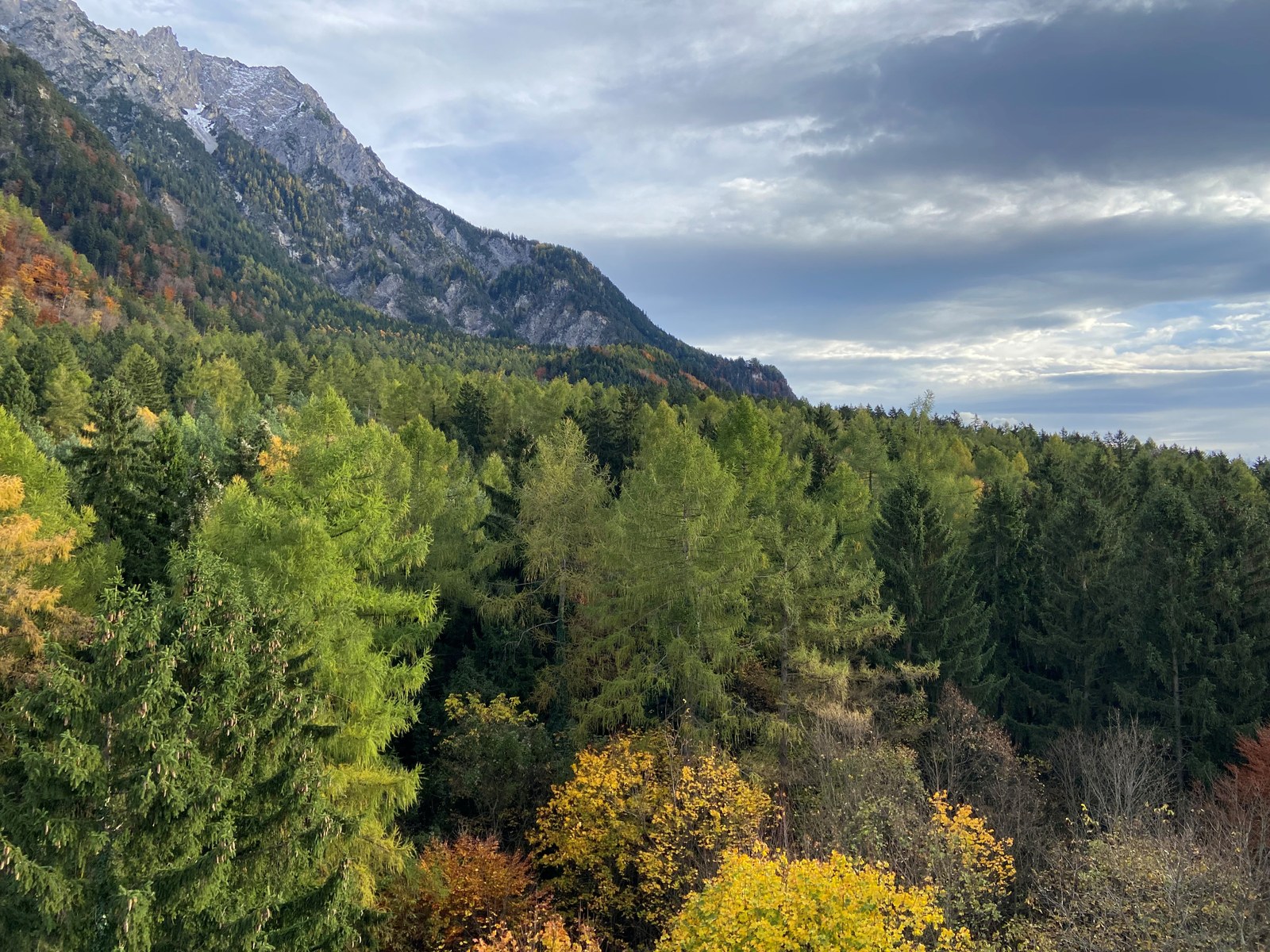
More than 40 percent of the Alpine region is covered by forests. They are not only a defining feature of the landscape, but also a cornerstone of Alpine livelihood, providing building materials, supporting biodiversity, and delivering essential ecosystem services.

CIPRA International

Do you want to know more about CIPRA International? Click here!

More articles

Nature abhors borders: Ecological Continuum and Econnect
CIPRA sees itself as something of a networker. And this applies to nature conservation as well. It brings officials, local authorities and scientists together, regardless of national borders. After all, animal and plant migrations don’t stop at border barriers either.
Fen felling
Fen felling
It‘s 7 am in early summer. A clack, clack sound drifts through the veil of mist hanging over the Ödmoos area of Bavaria. Work is already in full swing. You need to start early, as it gets very hot during the day. Stefan raises his axe and starts to hack away at the clumps of bushes. The 23-year-old is studying forestry science and works as a volunteer restoring the area‘s natural habitat. He has always had a keen interest in fens and bogs as diverse habitats, ever since he was a boy. And now he also knows that they make a valuable contribution to climate protection.
The chestnut forest plays host to a rare guest: Alliance in the Alps network of municipalities
The little bat somehow looked different. Filigree in form, brownish in colour, and with a ringed wing it huddled in the corner of the nesting box on the chestnut tree. Nicola Zambelli put on his gloves and pulled gently on the wing tip to examine the ring.
Discovering common ground
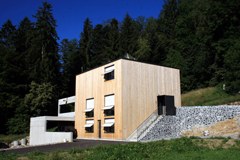
Liechtenstein is a small country, so you’re always bumping into people. And although everybody sort of knows everybody else, they don’t really. Energy-efficient construction is a bit like that. Or rather, it was until October 2009. It was then that CIPRA, which is better known for using its climalp project (see box) to circulate know-how on energy-efficient construction and renovation throughout the Alps, brought its own people together for a change.

Events

  • 2026-04-07T00:00:00+02:00
  • 2026-04-17T23:59:59+02:00
  • online
Apr 07, 2026 - Apr 17, 2026
Local Peaks, Global Learning online
  • 2026-04-21T00:00:00+02:00
  • 2026-04-23T23:59:59+02:00
  • MUCEM, Marseille/France
Apr 21, 2026 - Apr 23, 2026
Transhumance as Intangible Cultural Heritage of Humanity: A Way Forward? MUCEM, Marseille/France
  • 2026-04-22T00:00:00+02:00
  • 2026-04-23T23:59:59+02:00
  • Vienna/Austria
Apr 22, 2026 - Apr 23, 2026
Growing alternative crops for new market opportunities in a changing climate Vienna/Austria
  • 2026-04-24T00:00:00+02:00
  • 2026-05-03T23:59:59+02:00
  • Santa Croce street, 67; I-38122 Trento
Apr 24, 2026 - May 03, 2026
Trento Film Festival Santa Croce street, 67; I-38122 Trento
  • 2026-05-28T00:00:00+02:00
  • 2026-05-30T23:59:59+02:00
  • Aosta
May 28, 2026 - May 30, 2026
ForumAlpinum 2026 Aosta

Projects & activities

whatsalps youth
whatsalps youth
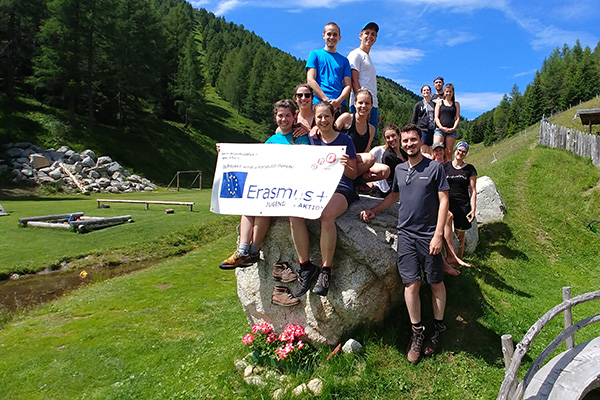
[Project completed] Many young people spend most of their time indoors, sit in front of the TV or the computer. The "whatsalp youth"-project lured them out. The CIPRA Youth Council, together with CIPRA International and other project partners, was implementing it.
Worthwild
Worthwild
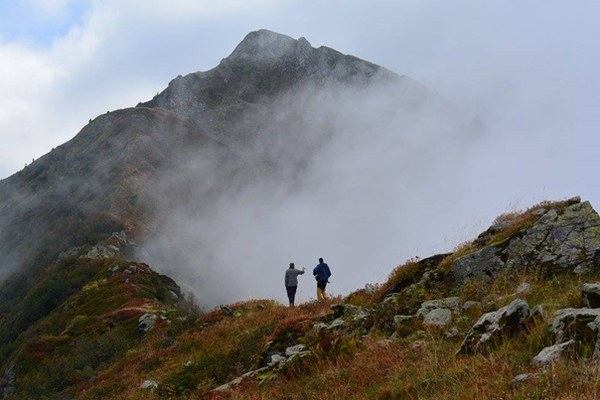
[Project completed] Only minimally impacted by human intervention, areas with limited infrastructural development in the Alps provide European societies with a wide range of ecosystem services, such as the conservation of biodiversity and climate regulation.
AlpInnoCT
AlpInnoCT
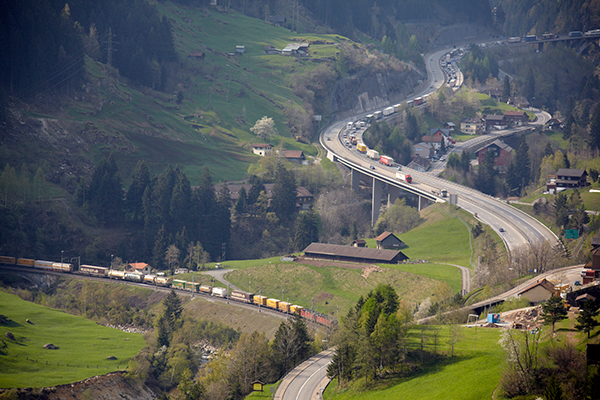
[Project completed] The Alps are a sensitive ecosystem that has to be protected from pollutant emissions and climate change. The alpine road freight transport has enormous ecological and sociocultural effects on the alpine habitat. Most actors such as forwarders, port operators, administrations and consumers, are aware of these negative effects and they are working on their own technical or regulatory solutions. However, a constructive and participatory dialogue between all involved actors, in order to promote sustainable freight transport within the Alps, has not been established so far.