Act now to protect forests: sign the #HandsOffNature petition!

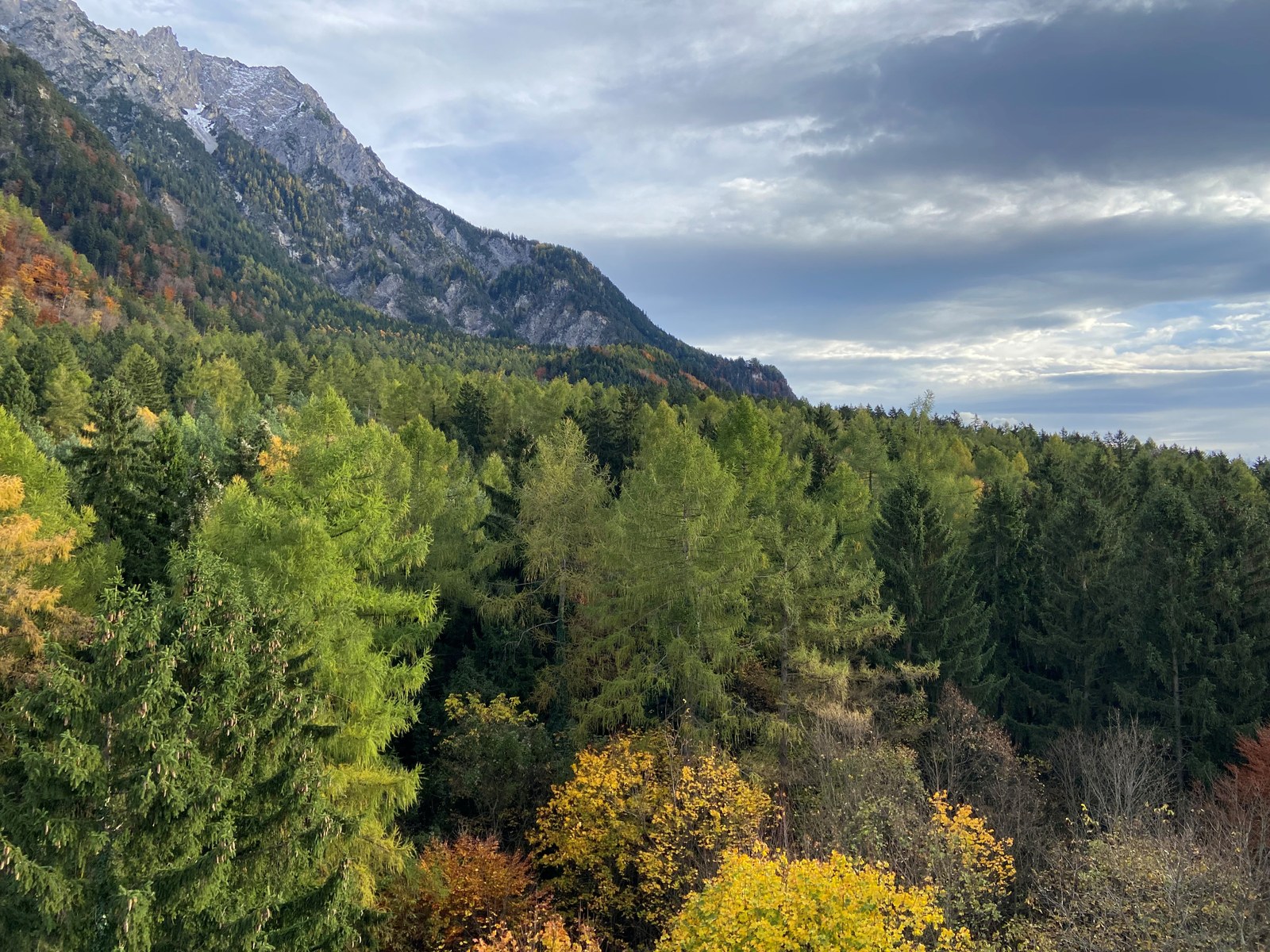
More than 40 percent of the Alpine region is covered by forests. They are not only a defining feature of the landscape, but also a cornerstone of Alpine livelihood, providing building materials, supporting biodiversity, and delivering essential ecosystem services.

CIPRA International

Do you want to know more about CIPRA International? Click here!

More articles

Europe's mountains: rich in biodiversity but increasingly vulnerable
In its study 10 Messages for 2010 - Mountain Ecosystems the European Environmental Agency takes a closer look at Europe's mountain regions. Compared with the lowlands, regions above the tree line are home to a richer variety of plant and animal species. The biggest threats include land abandonment, intensification of agriculture, infrastructure development, unsustainable exploitation and climate change.
Per Alpes - Discovering the Alps in 20 circular walks
Such is the title of the hiking guide that has just been published by the Permanent Secretariat of the Alpine Convention. It showcases and describes 20 selected trekking routes across the alpine arc, touching on all the alpine states that are part of the Alpine Convention. By presenting the Alps as a tourist destination that goes beyond the national borders of the individual countries this book contributes in its way towards implementing the Alpine Convention's protocol on tourism.
Innovation in mountain areas: European Mountain Convention
Innovation as the key driver for sustainable development in mountain areas: such is the theme of this year's European Mountain Convention, which is being held in Lillehammer, Norway, from 15th to 17th September. The conference will offer participants the opportunity to discuss sustainable development in their mountain regions and communities and to find out more about innovative projects in European mountain regions.
New publications for networking natural environments in the Alps
A great deal has been done and achieved in recent years to set up a pan-alpine ecological network. As part of its script series the German Federal Agency for Nature Conservation (BfN) has just published a report in English entitled Implementing a Pan-Alpine Ecological Network - A Compilation of Major Approaches, Tools and Activities. It comprises for the first time various documents, publications and reports supporting the implementation of an ecological network across the alpine arc. One chapter focuses on activities in the Carpathians. The publication can provide useful information to regions beyond the Alps, too.

Events

  • 2026-04-07T00:00:00+02:00
  • 2026-04-17T23:59:59+02:00
  • online
Apr 07, 2026 - Apr 17, 2026
Local Peaks, Global Learning online
  • 2026-04-21T00:00:00+02:00
  • 2026-04-23T23:59:59+02:00
  • MUCEM, Marseille/France
Apr 21, 2026 - Apr 23, 2026
Transhumance as Intangible Cultural Heritage of Humanity: A Way Forward? MUCEM, Marseille/France
  • 2026-04-22T00:00:00+02:00
  • 2026-04-23T23:59:59+02:00
  • Vienna/Austria
Apr 22, 2026 - Apr 23, 2026
Growing alternative crops for new market opportunities in a changing climate Vienna/Austria
  • 2026-04-24T00:00:00+02:00
  • 2026-05-03T23:59:59+02:00
  • Santa Croce street, 67; I-38122 Trento
Apr 24, 2026 - May 03, 2026
Trento Film Festival Santa Croce street, 67; I-38122 Trento
  • 2026-05-28T00:00:00+02:00
  • 2026-05-30T23:59:59+02:00
  • Aosta
May 28, 2026 - May 30, 2026
ForumAlpinum 2026 Aosta

Projects & activities

Cross-border mobility
[Project completed] Tens of thousands of commuters move across national borders every day in the Alpine region. Existing traffic routes, however, were mostly built with a purely national perspective and are not geared to cross-border commuter flows. The result is overloaded roads, noise and pollution for local residents.
PlurAlps
PlurAlps
[Project completed] The Alpine area is experiencing the combined challenges of an ageing population and new migration models. At the same time, opportunities for social innovation and development arise from increasing cultural diversity and pluralism. Mountainous and peripheral Alpine municipalities and regions are specifically concerned and need technical support and new approaches to develop a welcoming culture, which should be credibly embraced and implemented by municipalities, SMEs and civil society.

GaYA
GaYA
[Project completed] Governance and youth in the Alps - Young people tend to leave the Alpine space because they lack personal and professional fulfilment. Furthermore a majority of decision-makers remain unaware of the benefits a young active population brings to society.