
Act now to protect forests: sign the #HandsOffNature petition!

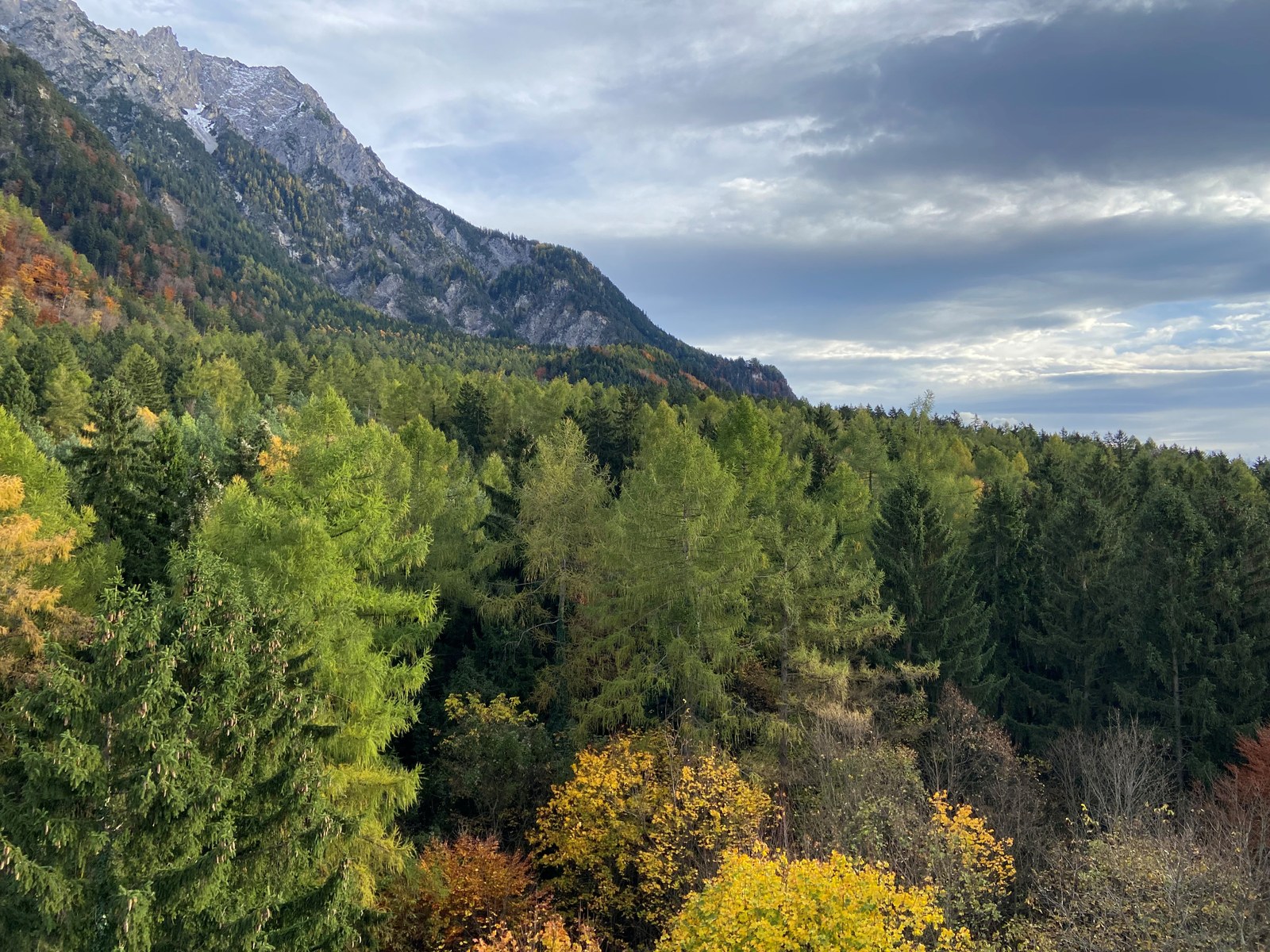
More than 40 percent of the Alpine region is covered by forests. They are not only a defining feature of the landscape, but also a cornerstone of Alpine livelihood, providing building materials, supporting biodiversity, and delivering essential ecosystem services.

CIPRA International

Do you want to know more about CIPRA International? Click here!

More articles

55 questions on alpine ecological connectivity
A joint research project of Econnect, the Platform Ecological Network under the Alpine Convention and the Ecological Continuum Initiative aims to identify "The 55 most urgent questions concerning ecological networks in the Alps" by bringing together all "alpine actors" such as national administrations, protected areas, researchers, stakeholders and various NGOs.
Less barriers, more nature!
Every day we build new obstacles on the migrating routes for animals and we prevent plants to spread freely. In most of the cases we are not even aware of this problem. How would it feel and look like, if our living spaces would suddenly get fragmented by obstacles we cannot easily overcome?
ECONNECT photo contest: clicks beyond borders
The partners in the Econnect project invite amateurs and professional photographers to make a pictorial record of ecosystem fragmentation in the Alps. The photo contest "Clicks beyond the borders" aims to visualize the importance of ecological links in the Alps in powerful images.
CIPRA Yearly Symposium: marginal creativity...
This year's CIPRA Symposium focuses on the socio-economic margins of the Alps. Why "margins"? Because the nearest hospital is a far away and the post office is only open in the morning; because the towns and cities are beckoning, and nature is gaining more and more ground. The prevailing process of urbanisation has little in the way of prospects to offer these mountain regions, whose potential is already low.

Events

  • 2026-04-07T00:00:00+02:00
  • 2026-04-17T23:59:59+02:00
  • online
Apr 07, 2026 - Apr 17, 2026
Local Peaks, Global Learning online
  • 2026-04-21T00:00:00+02:00
  • 2026-04-23T23:59:59+02:00
  • MUCEM, Marseille/France
Apr 21, 2026 - Apr 23, 2026
Transhumance as Intangible Cultural Heritage of Humanity: A Way Forward? MUCEM, Marseille/France
  • 2026-04-22T00:00:00+02:00
  • 2026-04-23T23:59:59+02:00
  • Vienna/Austria
Apr 22, 2026 - Apr 23, 2026
Growing alternative crops for new market opportunities in a changing climate Vienna/Austria
  • 2026-04-24T00:00:00+02:00
  • 2026-05-03T23:59:59+02:00
  • Santa Croce street, 67; I-38122 Trento
Apr 24, 2026 - May 03, 2026
Trento Film Festival Santa Croce street, 67; I-38122 Trento
  • 2026-05-28T00:00:00+02:00
  • 2026-05-30T23:59:59+02:00
  • Aosta
May 28, 2026 - May 30, 2026
ForumAlpinum 2026 Aosta

Projects & activities

Alpine Changemaker Network (2021-2023)
[Project completed] The «Alpine Changemaker Network» is an international team drawn from NGOs, academia, social innovation and regional development organisations. We wish to strengthen Alpine society and we envision the Alps as a thriving ecosystem, one that offers an appealing life both to ourselves and to future generations. We combine regionally developed knowledge, social innovation practices, scientific teaching and researching skills, project management skills and much more besides – and we want to collaborate, share and learn!
Via Alpina Youth – walking the change
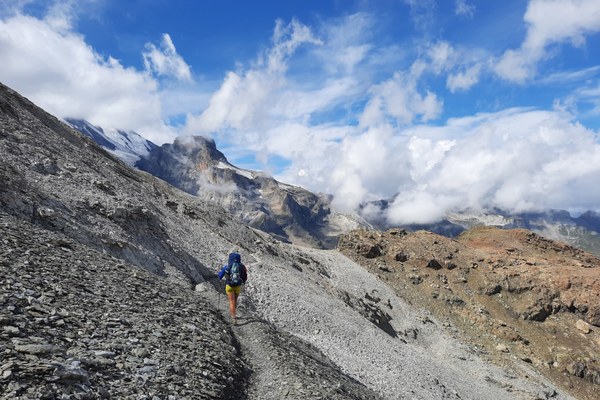
The Via Alpina long-distance-trail has been connecting all of the Alpine countries for over 20 years now. The project “Via Alpina Youth – walking the change” spreads knowledge, ideas and opportunities on sustainable lifestyles, inclusion, environmental protection and climate change along the trail.
Bon Appétit!
Bon Appétit!
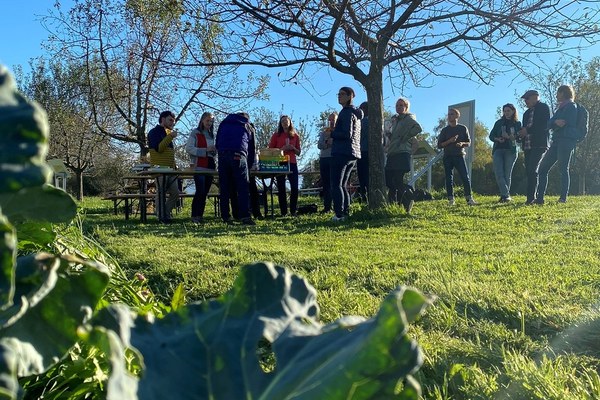
[Project completed] From the field to the plate: In the "Bon Appétit!" project, young people dig into the earth, taste and process regional products and visit farms in their region. They experience how the food on their plate shapes the landscape around them.