Act now to protect forests: sign the #HandsOffNature petition!

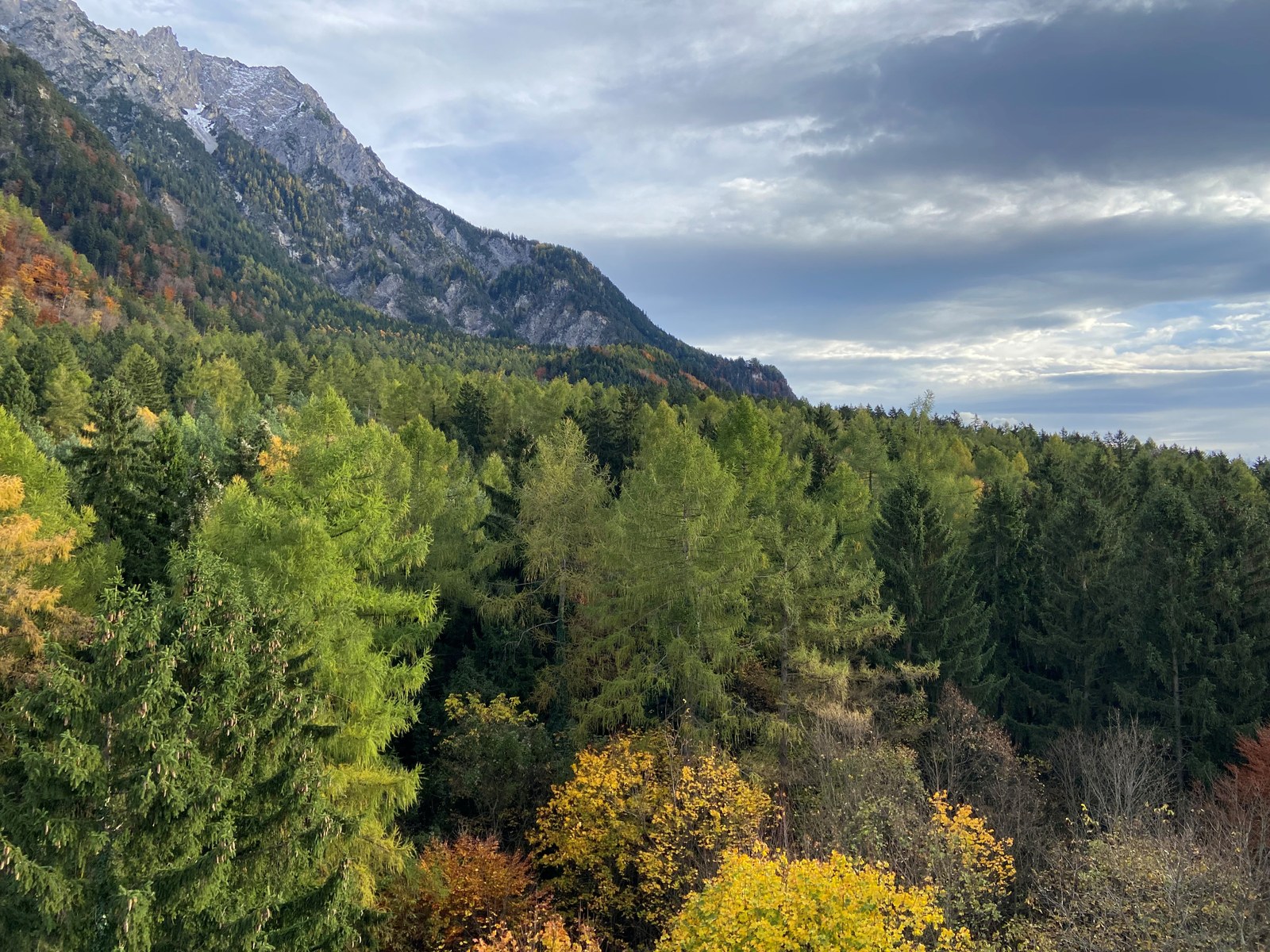
More than 40 percent of the Alpine region is covered by forests. They are not only a defining feature of the landscape, but also a cornerstone of Alpine livelihood, providing building materials, supporting biodiversity, and delivering essential ecosystem services.

CIPRA International

Do you want to know more about CIPRA International? Click here!

More articles

Powerline poles: a serious danger for the eagle-owl
Whereas populations of eagle-owl in many parts of Europe slightly increase, they stagnate or slightly reduce in Switzerland. The situation is especially critical in Valais, where only approximately ten breeding pairs are living. In the last twenty years this population has barely changed. According to a new study only ten percent of eagle-owls in Valais survive the first year of their lives. One fourth dies of electric shock when trying to sit on obsolete powerline poles, which do not correspond to current security standards.
Wild cat back in Austrian forests
After more than fifty years, the wild cat returned to Austrian forests. To contribute to protection and a better acceptance of this shy animal among people, the Platform on Wildcats was founded in 2009.
Journal "Conservation Biology" about ecological connectivity and corridors
The April 2010 virtual issue of the journal Conservation biology contains several articles on connectivity and corridors.The articles address phenomena and actions that affect movement of genes, organisms (including humans), and ecological processes.
TransEcoNet: Comprehensive inventory of ecological networks in Central Europe finished
The TransEcoNet project strives for a better connection of protected and less or unprotected landscapes across national borders in Central Europe. One focus of the project during its first half of implementation has been the analysis of existing transboundary ecological networks, their status of biodiversity and the detection of gaps in these networks.

Events

  • 2026-04-07T00:00:00+02:00
  • 2026-04-17T23:59:59+02:00
  • online
Apr 07, 2026 - Apr 17, 2026
Local Peaks, Global Learning online
  • 2026-04-21T00:00:00+02:00
  • 2026-04-23T23:59:59+02:00
  • MUCEM, Marseille/France
Apr 21, 2026 - Apr 23, 2026
Transhumance as Intangible Cultural Heritage of Humanity: A Way Forward? MUCEM, Marseille/France
  • 2026-04-22T00:00:00+02:00
  • 2026-04-23T23:59:59+02:00
  • Vienna/Austria
Apr 22, 2026 - Apr 23, 2026
Growing alternative crops for new market opportunities in a changing climate Vienna/Austria
  • 2026-04-24T00:00:00+02:00
  • 2026-05-03T23:59:59+02:00
  • Santa Croce street, 67; I-38122 Trento
Apr 24, 2026 - May 03, 2026
Trento Film Festival Santa Croce street, 67; I-38122 Trento
  • 2026-05-28T00:00:00+02:00
  • 2026-05-30T23:59:59+02:00
  • Aosta
May 28, 2026 - May 30, 2026
ForumAlpinum 2026 Aosta

Projects & activities

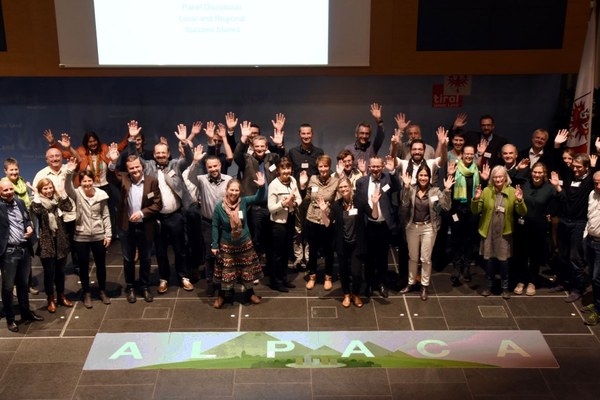
Alpine Partnership for Local Climate Action (ALPACA)
[Project completed] Rising temperatures, rockfalls, lack of snow: global warming is clearly noticeable in the Alpine region. The «Alpine Partnership for Local Climate Action» has the intention to bring together cities, municipalities and networks in order to work together for more climate protection. With this initiative, CIPRA International, «Alliance in the Alps» and «Alpine Town of the Year» want to strengthen the transregional exchange of knowledge and experience. The goal of positioning the Alps as a model region for climate protection is also in line with the Alpine Convention.
whatsalp
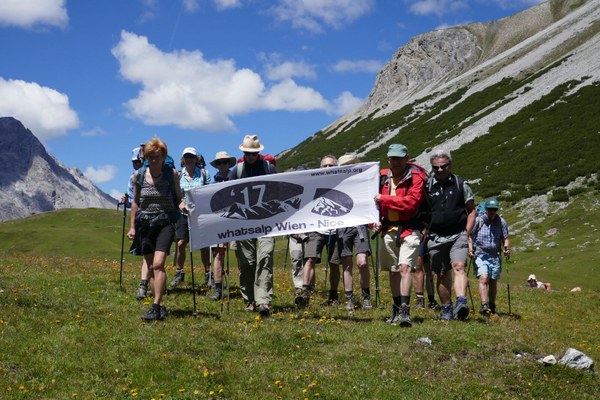
whatsalp
[Project completed] Starting 3rd of June 2017, a group of Alpine experts were hiking through Austria, Switzerland, France and Italy from Vienna to Nice in the course of the project “whatsalp”. They documented the current state of the Alps and exchanged experiences with different people on-site and on the way.
speciAlps
speciAlps
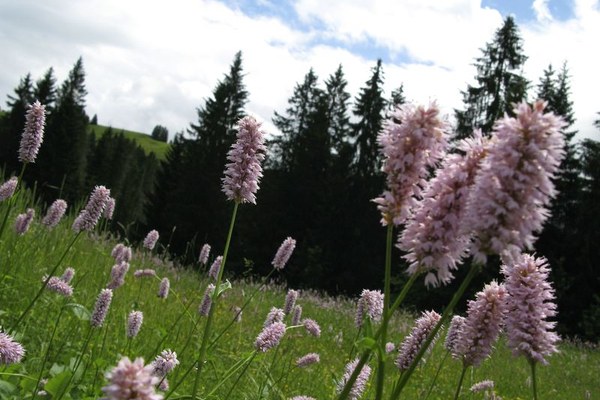
[Project completed] Grasslands, marshes, hedges, biotopes and woods are examples of natural treasures and biological diversity that are of great value to alpine regions and municipalities. Not only do they offer a habitat for plants and animals, but also humans value functioning natural areas for their attractiveness and the quality of life they offer. Nevertheless, –these areas have much more potential than we often realise and there is much more every municipality can do!