Act now to protect forests: sign the #HandsOffNature petition!

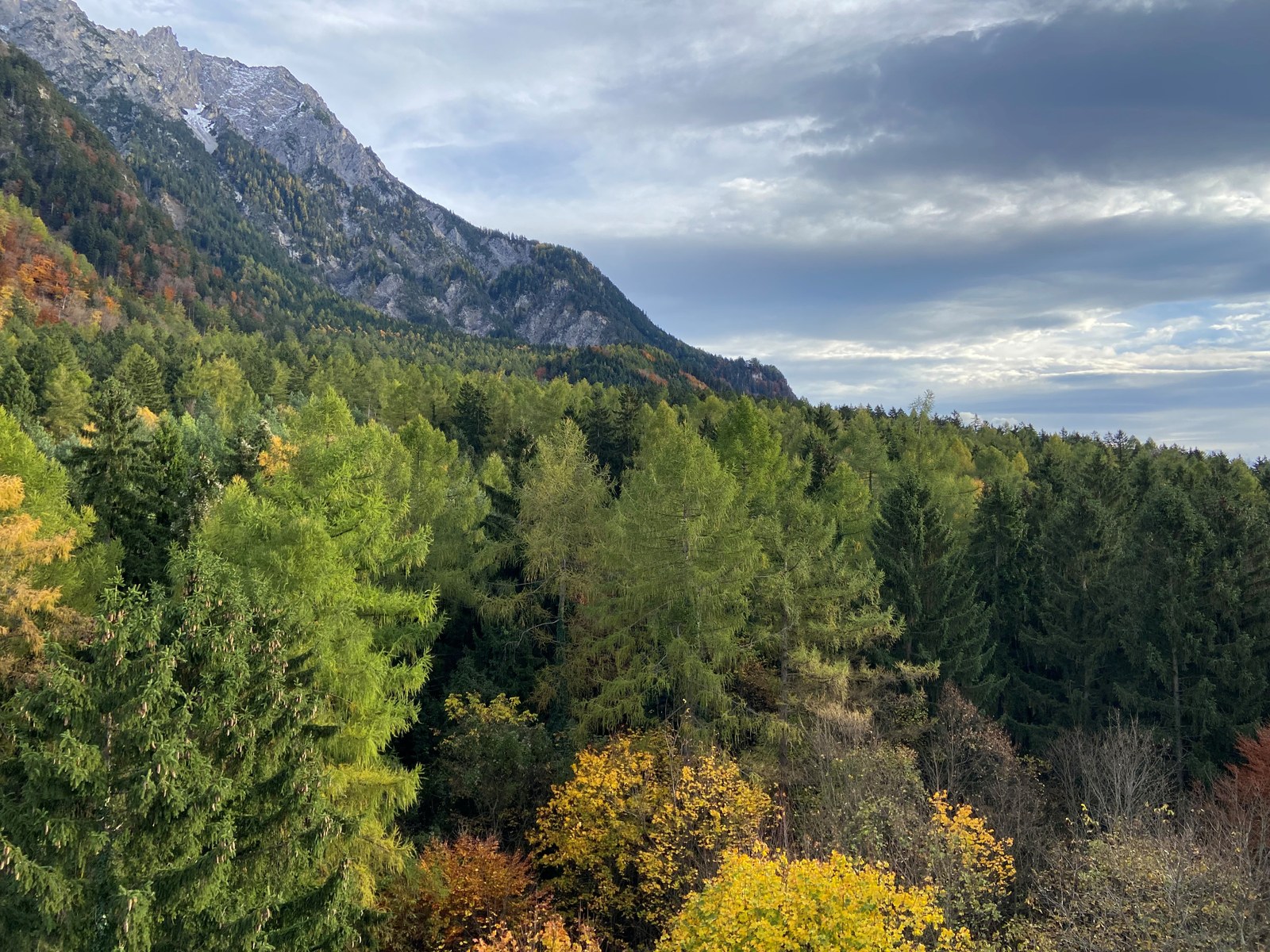
More than 40 percent of the Alpine region is covered by forests. They are not only a defining feature of the landscape, but also a cornerstone of Alpine livelihood, providing building materials, supporting biodiversity, and delivering essential ecosystem services.

CIPRA International

Do you want to know more about CIPRA International? Click here!

More articles

Joint action on climate change
The forests of the Alps will only be able to cope with climate change if the findings from all the various specialist fields are pooled together. And that requires new forms of co-operation and communication.
Knowing how to shape the climate
Climate protection is possible. It's just that lots of people don't know how to go about it. CIPRA is demonstrating how we can protect the climate and save money at the same time. The whole idea is being trialled in two pilot regions in the Alps
Young, climate-conscious, and thirsting for action
Young people from five Alpine nations campaigned as part of the My Clime-mate Project to make the Alps a carbon-neutral region. At the end of October they took stock - and forged new plans.
"We'll keep at it."
"We'll keep at it."
Virtually everyone was there. Idrija's festival hall was packed to the rafters, and the youth symphony orchestra summoned specially for the occasion was in full flow. There was plenty of drama, and the TV people were there, too. A murmur went through the 1,000-strong audience as they got to their feet and began clapping. Then a large burly man in a dark suit walked onto to the stage. Deep creases bracketed his laughing mouth like waterfalls, stretching up to his white temples. Bojan Sever, the major of the small Slovenian town in the alpine foothills, held aloft the certificate confirming their status as Alpine Town of the Year 2011. Cameras flashed and the applause redoubled. That was just over a year ago.

Events

  • 2026-04-07T00:00:00+02:00
  • 2026-04-17T23:59:59+02:00
  • online
Apr 07, 2026 - Apr 17, 2026
Local Peaks, Global Learning online
  • 2026-04-21T00:00:00+02:00
  • 2026-04-23T23:59:59+02:00
  • MUCEM, Marseille/France
Apr 21, 2026 - Apr 23, 2026
Transhumance as Intangible Cultural Heritage of Humanity: A Way Forward? MUCEM, Marseille/France
  • 2026-04-22T00:00:00+02:00
  • 2026-04-23T23:59:59+02:00
  • Vienna/Austria
Apr 22, 2026 - Apr 23, 2026
Growing alternative crops for new market opportunities in a changing climate Vienna/Austria
  • 2026-04-24T00:00:00+02:00
  • 2026-05-03T23:59:59+02:00
  • Santa Croce street, 67; I-38122 Trento
Apr 24, 2026 - May 03, 2026
Trento Film Festival Santa Croce street, 67; I-38122 Trento
  • 2026-05-28T00:00:00+02:00
  • 2026-05-30T23:59:59+02:00
  • Aosta
May 28, 2026 - May 30, 2026
ForumAlpinum 2026 Aosta

Projects & activities

Alpine Partnership for Local Climate Action (ALPACA)
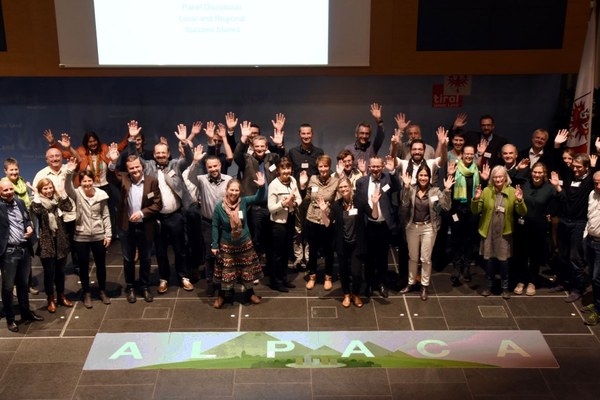
[Project completed] Rising temperatures, rockfalls, lack of snow: global warming is clearly noticeable in the Alpine region. The «Alpine Partnership for Local Climate Action» has the intention to bring together cities, municipalities and networks in order to work together for more climate protection. With this initiative, CIPRA International, «Alliance in the Alps» and «Alpine Town of the Year» want to strengthen the transregional exchange of knowledge and experience. The goal of positioning the Alps as a model region for climate protection is also in line with the Alpine Convention.
whatsalp
whatsalp
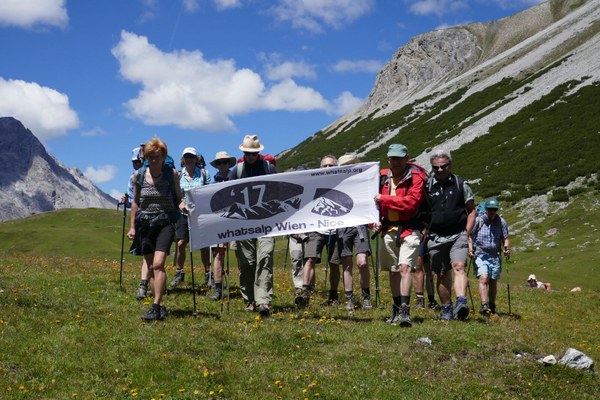
[Project completed] Starting 3rd of June 2017, a group of Alpine experts were hiking through Austria, Switzerland, France and Italy from Vienna to Nice in the course of the project “whatsalp”. They documented the current state of the Alps and exchanged experiences with different people on-site and on the way.
speciAlps
speciAlps
[Project completed] Grasslands, marshes, hedges, biotopes and woods are examples of natural treasures and biological diversity that are of great value to alpine regions and municipalities. Not only do they offer a habitat for plants and animals, but also humans value functioning natural areas for their attractiveness and the quality of life they offer. Nevertheless, –these areas have much more potential than we often realise and there is much more every municipality can do!