Act now to protect forests: sign the #HandsOffNature petition!

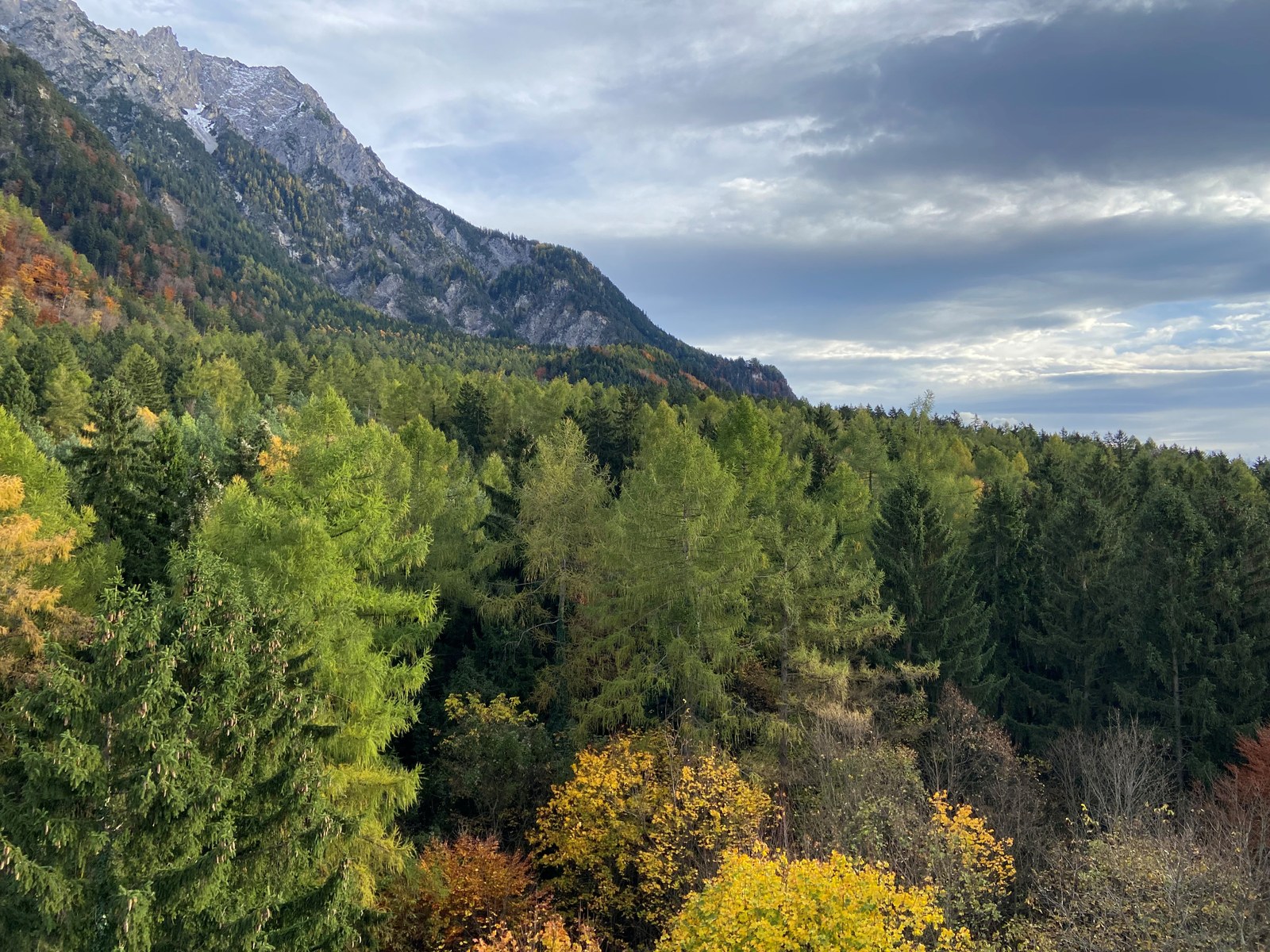
More than 40 percent of the Alpine region is covered by forests. They are not only a defining feature of the landscape, but also a cornerstone of Alpine livelihood, providing building materials, supporting biodiversity, and delivering essential ecosystem services.

CIPRA International

Do you want to know more about CIPRA International? Click here!

More articles

Indicators on evaluating the progress of the Alpine ecological network
The establishment of the Alpine Ecological Network is a long process. In order to evaluate the progress, the Platform Ecological Network of the Alpine Convention has developed a set of indicators.
Econnect's drive living on in recharge.green
Ecological connectivity in the Alps can only be maintained if the production of renewable energy is managed in line with nature protection. Some of the Econnect partners seized the opportunity given by the last call of the Alpine Space Programme to work out a project on this issue. They were successful and "recharge.green" is about to start on 1st October.
Northeast Asia inspired by the Alpine Ecological Network
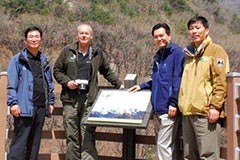
In South Korea, China and Japan activities have been started in favour of ecological connectivity. The major protected areas of these countries, the Ministry for environment of South Korea and other key stakeholders have been convinced by the importance of connected habitats thanks to the successful initiatives in the Alps.
The French ecological network becomes regional
The main aim of the French "Green and Blue Infrastructure" ("Trame Verte et Bleue" - TVB) is to stop biodiversity loss. The ecological network is in addition a powerful tool for spatial planning. The two Alpine regions Rhône-Alpes and Provence-Alpes-Côte-d'Azur have started to set up this new planning tool.

Events

  • 2026-04-07T00:00:00+02:00
  • 2026-04-17T23:59:59+02:00
  • online
Apr 07, 2026 - Apr 17, 2026
Local Peaks, Global Learning online
  • 2026-04-21T00:00:00+02:00
  • 2026-04-23T23:59:59+02:00
  • MUCEM, Marseille/France
Apr 21, 2026 - Apr 23, 2026
Transhumance as Intangible Cultural Heritage of Humanity: A Way Forward? MUCEM, Marseille/France
  • 2026-04-22T00:00:00+02:00
  • 2026-04-23T23:59:59+02:00
  • Vienna/Austria
Apr 22, 2026 - Apr 23, 2026
Growing alternative crops for new market opportunities in a changing climate Vienna/Austria
  • 2026-04-24T00:00:00+02:00
  • 2026-05-03T23:59:59+02:00
  • Santa Croce street, 67; I-38122 Trento
Apr 24, 2026 - May 03, 2026
Trento Film Festival Santa Croce street, 67; I-38122 Trento
  • 2026-05-28T00:00:00+02:00
  • 2026-05-30T23:59:59+02:00
  • Aosta
May 28, 2026 - May 30, 2026
ForumAlpinum 2026 Aosta

Projects & activities

Alpine Changemaker Network (2021-2023)
[Project completed] The «Alpine Changemaker Network» is an international team drawn from NGOs, academia, social innovation and regional development organisations. We wish to strengthen Alpine society and we envision the Alps as a thriving ecosystem, one that offers an appealing life both to ourselves and to future generations. We combine regionally developed knowledge, social innovation practices, scientific teaching and researching skills, project management skills and much more besides – and we want to collaborate, share and learn!
Via Alpina Youth – walking the change
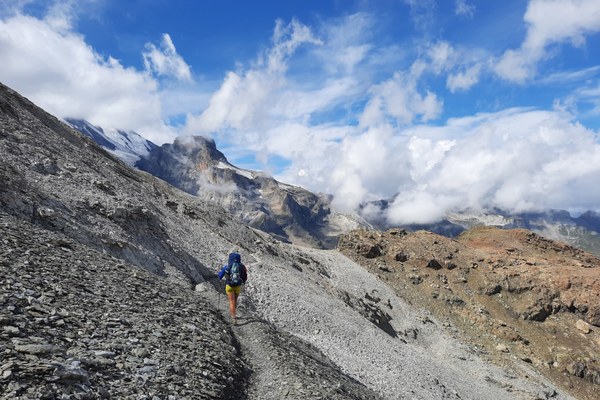
The Via Alpina long-distance-trail has been connecting all of the Alpine countries for over 20 years now. The project “Via Alpina Youth – walking the change” spreads knowledge, ideas and opportunities on sustainable lifestyles, inclusion, environmental protection and climate change along the trail.
Bon Appétit!
Bon Appétit!
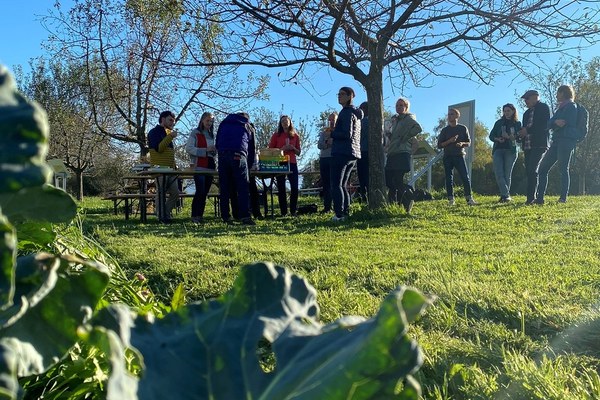
[Project completed] From the field to the plate: In the "Bon Appétit!" project, young people dig into the earth, taste and process regional products and visit farms in their region. They experience how the food on their plate shapes the landscape around them.