
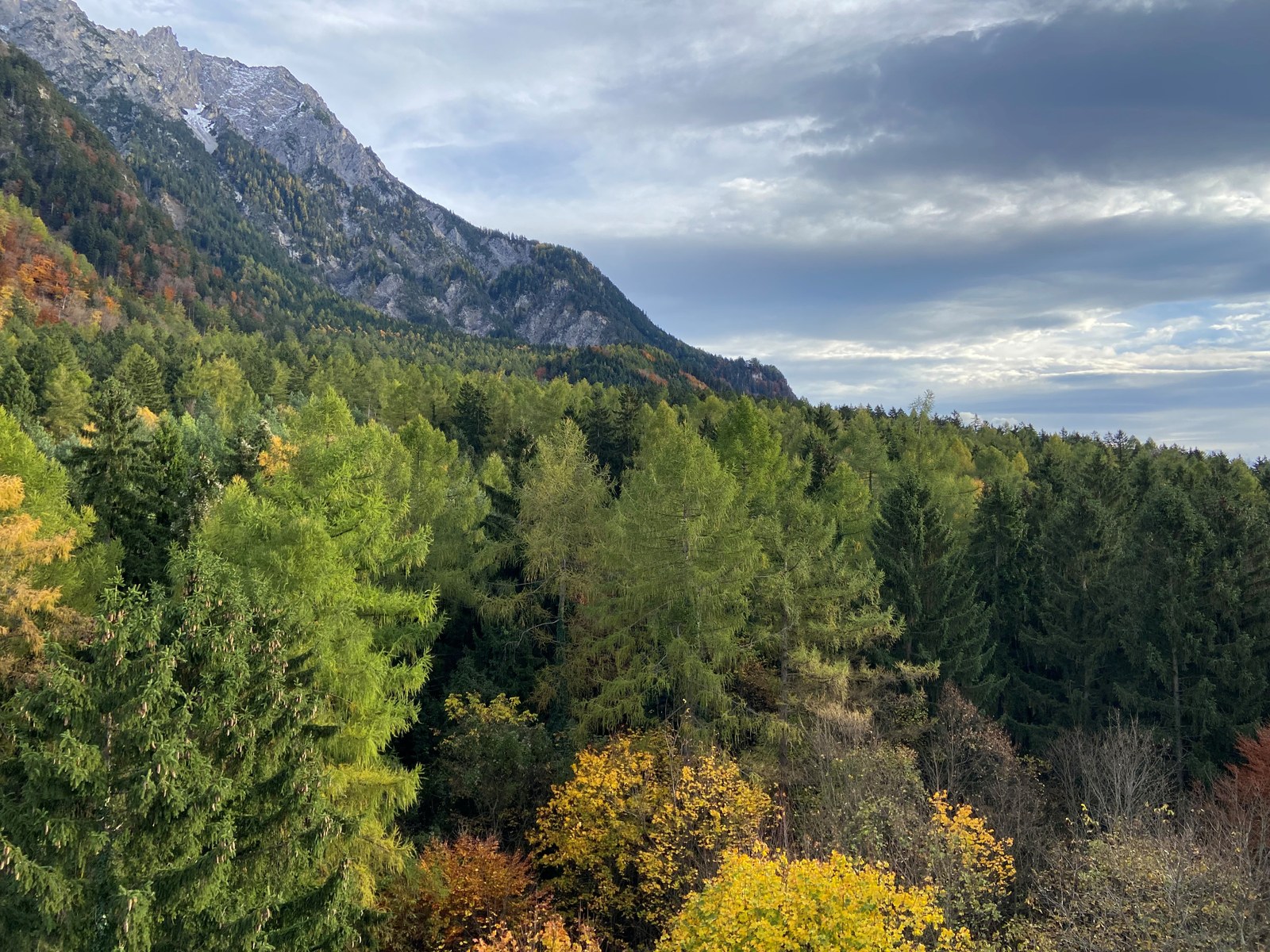
Act now to protect forests: sign the #HandsOffNature petition!
More than 40 percent of the Alpine region is covered by forests. They are not only a defining feature of the landscape, but also a cornerstone of Alpine livelihood, providing building materials, supporting biodiversity, and delivering essential ecosystem services.

Who is CIPRA?
Find out more!
More articles
alpMedia | Schaan, LI
Manifesto for sustainable building
The KlimaHaus Agentur in Bolzano/I is calling for the signing of the "Manifesto for Sustainable Building".
alpMedia | Schaan, LI
400 European municipalities committed to climate change issues
400 European towns, cities and municipalities have signed the Covenant of Mayors.
alpMedia | Schaan, LI
"RiskPlan" facilitates risk management
The "RiskPlan" analysis software was developed by the Swiss Federal Office for the Environment (FOEN) and the Swiss Federal Office of Civil Protection (FOCP) and presented as part of the AdaptAlp Project (Adaptation to Climate Change in the Alpine Space).
alpMedia | Schaan, LI
A guide to the Alpine Convention
The Permanent Secretariat of the Alpine Convention recently published a book in five languages (de, en, fr, it, sl) entitled The Alps: Eight Countries, A Single Territory.
Events
|
Webinar: The journey of water | online | |
|
XIV European Mountain Convention | Sallanches / France | |
|
Alps in Motion: new Alpine-wide Day of Action | alpswide | |
|
Symposium 2: Vernacular Buildings in the Anthropocene | Austrian Academy of Sciences, Vienna (Austria) |
Projects
CIPRA International | CIPRA Deutschland | CIPRA Italia | CIPRA France
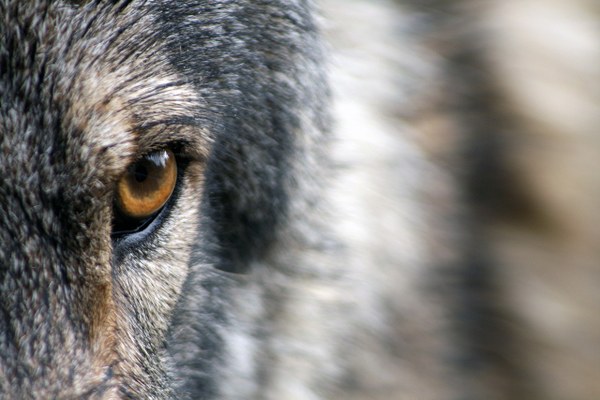
Knowledge transfer on the co-adaptation of humans and wolves in the Alpine region
[Project completed] The return of large carnivores is increasingly causing the fronts to harden between different groups of stakeholders. Among the large carnivores returning to the Alps, the wolf is the most widespread and therefore the most widely debated animal. Wolves are synanthropic animals and cross boundaries - physical as well as intangible ones – regularly. Thus, they have been accompanying and influencing social and cultural processes since time immemorial. In this project, CIPRA has taken on the task to collect, analyse, make available and disseminate knowledge about the co-adaptation of humans and wolves throughout the Alps.