
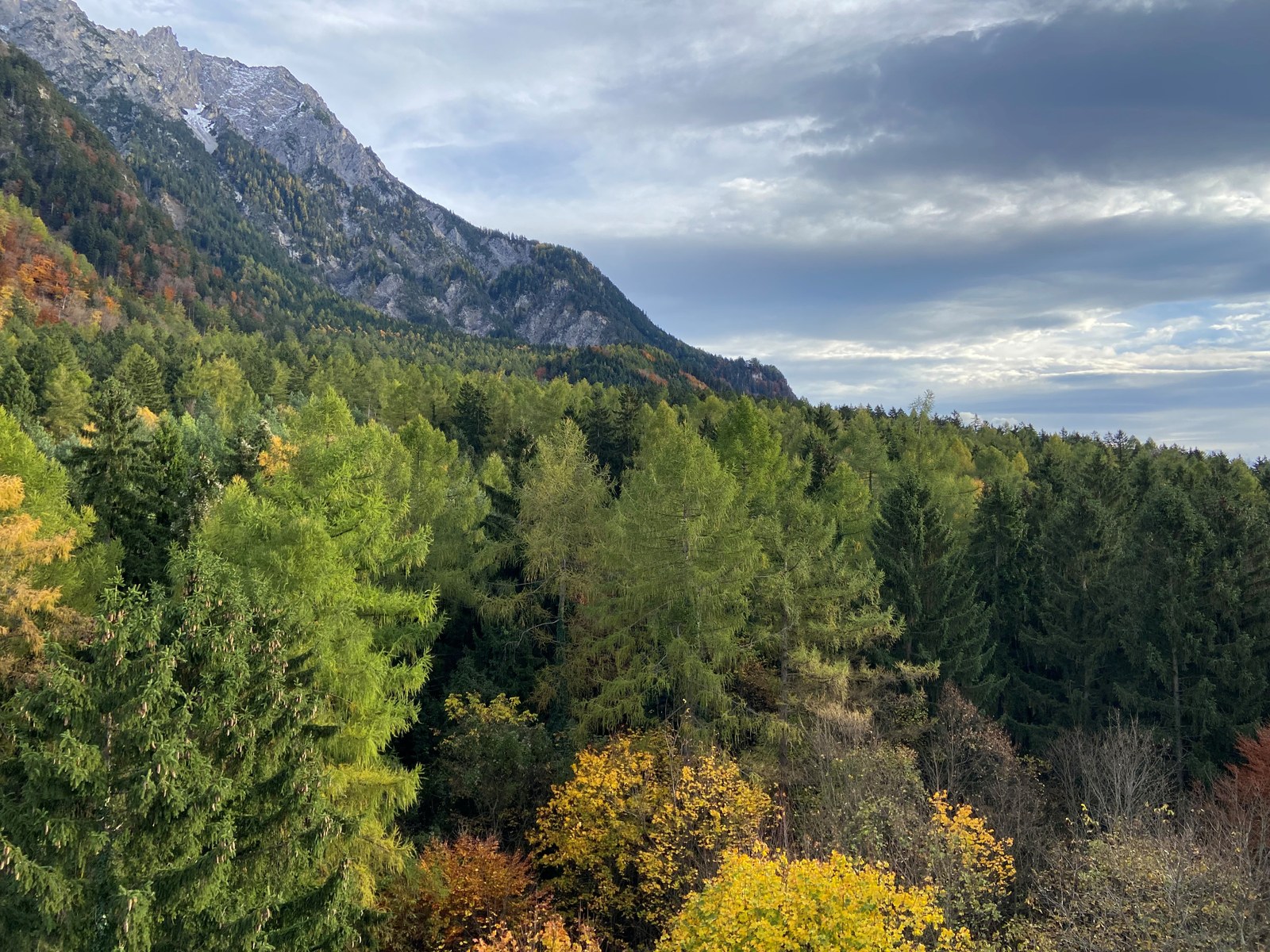
Act now to protect forests: sign the #HandsOffNature petition!
More than 40 percent of the Alpine region is covered by forests. They are not only a defining feature of the landscape, but also a cornerstone of Alpine livelihood, providing building materials, supporting biodiversity, and delivering essential ecosystem services.

Who is CIPRA?
Find out more!
More articles
alpMedia | Schaan, LI
Energy-efficient buildings under discussion
The Director of the Passive House Institute in Darmstadt/Germany, Wolfgang Feist, and the Director of the ClimateHouse Agency in Bolzano/I, Norbert Lantschner, have responded to questions about energy-efficient construction in interviews.
alpMedia | Schaan, LI
Alps insight: Schengen for Flora and Fauna
CIPRA's Alps insight No. 90 (formerly CIPRA Info) "Schengen for Flora and Fauna" is devoted to the topic of biotope networking.
alpMedia | Schaan, LI
Master in Sustainable Mountain Development
The new degree programme "MSc Managing Sustainable Mountain Development" begins at Perth College/UK in August 2009.
alpMedia | Schaan, LI
History of the Alps now also in English
Jon Mathieu's book entitled in German Geschichte der Alpen, 1500-1900: Umwelt, Entwicklung und Gesellschaft is now available in an English translation.
Events
|
Webinar: The journey of water | online | |
|
XIV European Mountain Convention | Sallanches / France | |
|
Alps in Motion: new Alpine-wide Day of Action | alpswide | |
|
Symposium 2: Vernacular Buildings in the Anthropocene | Austrian Academy of Sciences, Vienna (Austria) |
Projects
CIPRA International
Living Labs
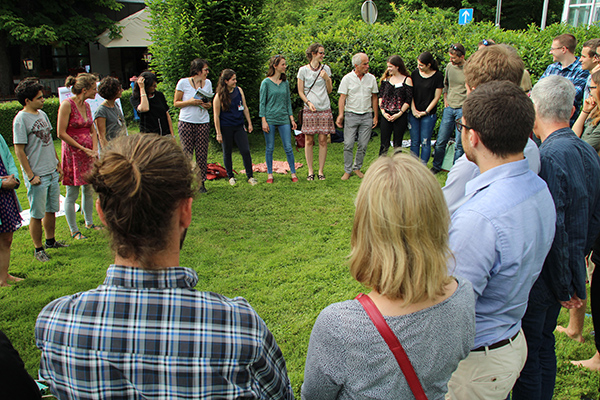
[Project completed] The project “Living Labs” brought together people of different ages from different Alpine countries to work together on process and know-how on selected topics. The project approach was participative and based on the principles of co-creation between young talents aged 18-30 years, environmental NGOs, civil society and politicians. The participants of this intergenerational project are committed to the sustainable development of the Alps at local, national and international level. For a desirable future it is important to set the right course today and to talk about how existing natural resources can be used sustainably.
CIPRA International | CIPRA Deutschland | CIPRA France | CIPRA Italia | CIPRA Slovenija
Sustainable Alpine Tourism
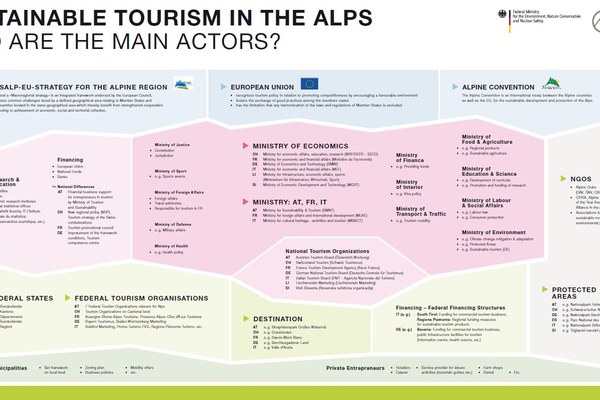
[Project completed] Sustainable tourism in the Alps is the only long-term alternative to conventional mass tourism in order to safeguard the habitat for nature and people. So far, however, there is a lack of jointly defined framework conditions on anational or alpine level for planning, promoting and implementing sustainable tourism.
CIPRA International
Cross-border mobility
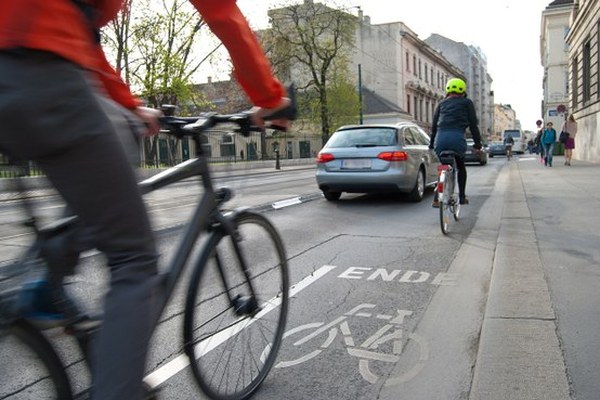
[Project completed] Tens of thousands of commuters move across national borders every day in the Alpine region. Existing traffic routes, however, were mostly built with a purely national perspective and are not geared to cross-border commuter flows. The result is overloaded roads, noise and pollution for local residents.