
Act now to protect forests: sign the #HandsOffNature petition!
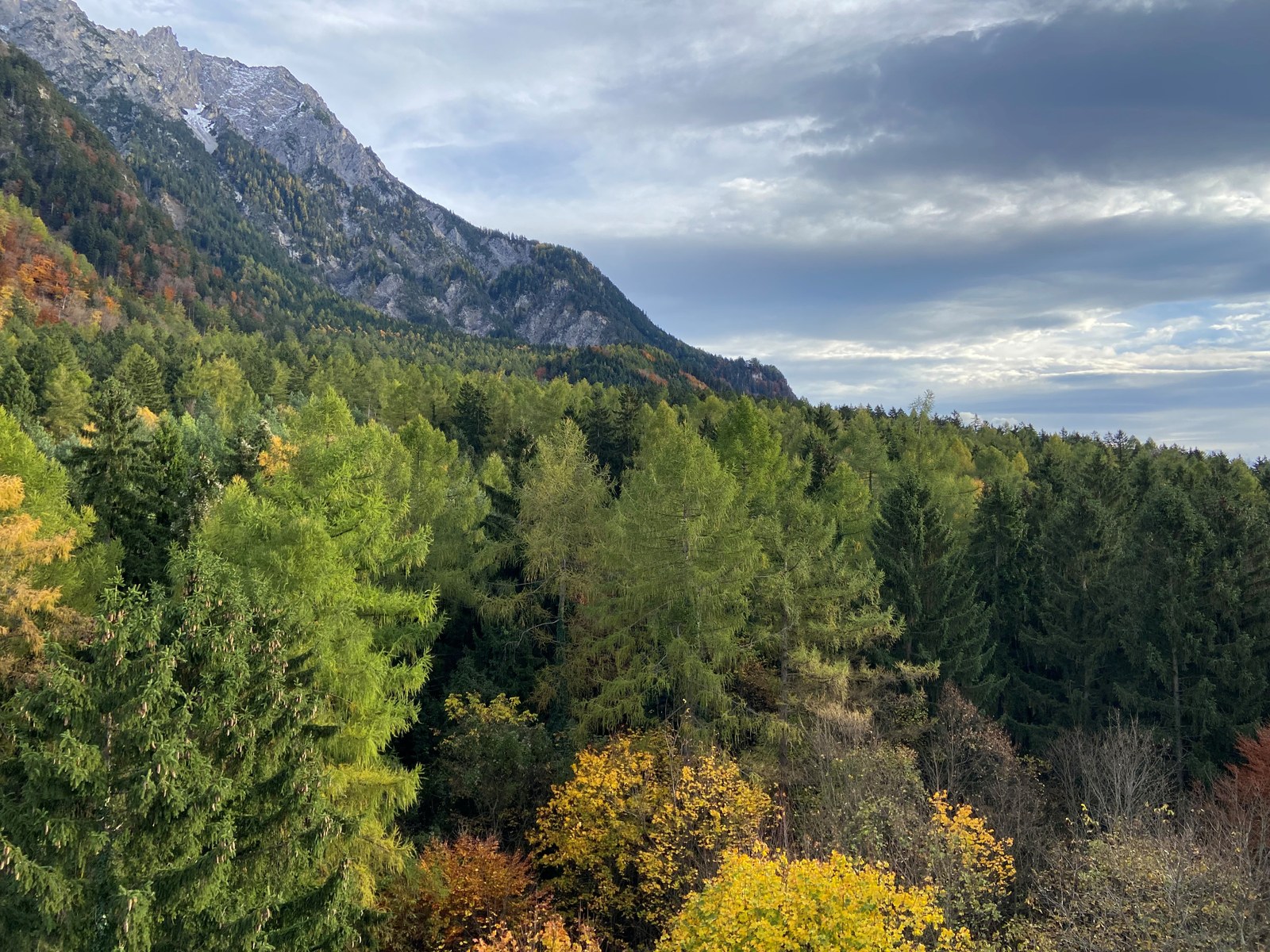
More than 40 percent of the Alpine region is covered by forests. They are not only a defining feature of the landscape, but also a cornerstone of Alpine livelihood, providing building materials, supporting biodiversity, and delivering essential ecosystem services.

Who is CIPRA?
Find out more!
More articles
cc.alps | Schaan, LI
Exemplary Climate Response Measures
A great deal is being done in the Alps as a response to climate change.
cc.alps | Schaan, LI
Knowledge in a compact and understandable form
Cool heads and well considered strategies are required in these times of heated debate about climate measures.
cc.alps | Schaan, LI
Melting glaciers on your local mountain - what now?
On 24th and 25th September 2009 cc.alps is organising an international conference on the impact of melting glaciers on communities in collaboration with CIPRA Switzerland and the Swiss Foundation for Landscape Preservation in Crans Montana/CH.
alpMedia | Schaan, LI
Why do you go hiking?
Together with the French Ramblers' Association and the French Alpine Club, the French association "Grande Traversée des Alpes" are trying to find the answer to the simple question, why do tourists go hiking on mountain and woodland paths or through dunes and deserts?
Events
|
Webinar: The journey of water | online | |
|
XIV European Mountain Convention | Sallanches / France | |
|
Alps in Motion: new Alpine-wide Day of Action | alpswide | |
|
Symposium 2: Vernacular Buildings in the Anthropocene | Austrian Academy of Sciences, Vienna (Austria) |
Projects
CIPRA International | CIPRA Deutschland | CIPRA Italia | CIPRA France
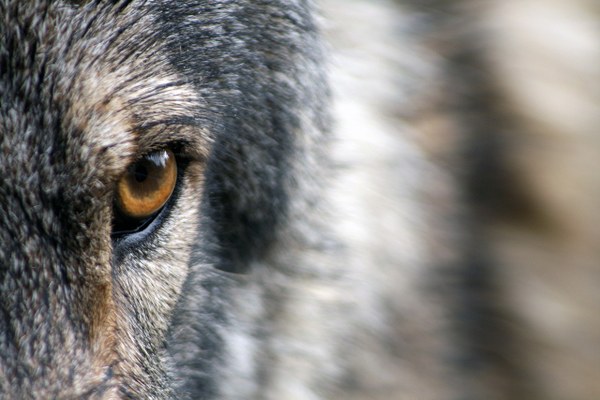
Knowledge transfer on the co-adaptation of humans and wolves in the Alpine region
[Project completed] The return of large carnivores is increasingly causing the fronts to harden between different groups of stakeholders. Among the large carnivores returning to the Alps, the wolf is the most widespread and therefore the most widely debated animal. Wolves are synanthropic animals and cross boundaries - physical as well as intangible ones – regularly. Thus, they have been accompanying and influencing social and cultural processes since time immemorial. In this project, CIPRA has taken on the task to collect, analyse, make available and disseminate knowledge about the co-adaptation of humans and wolves throughout the Alps.