
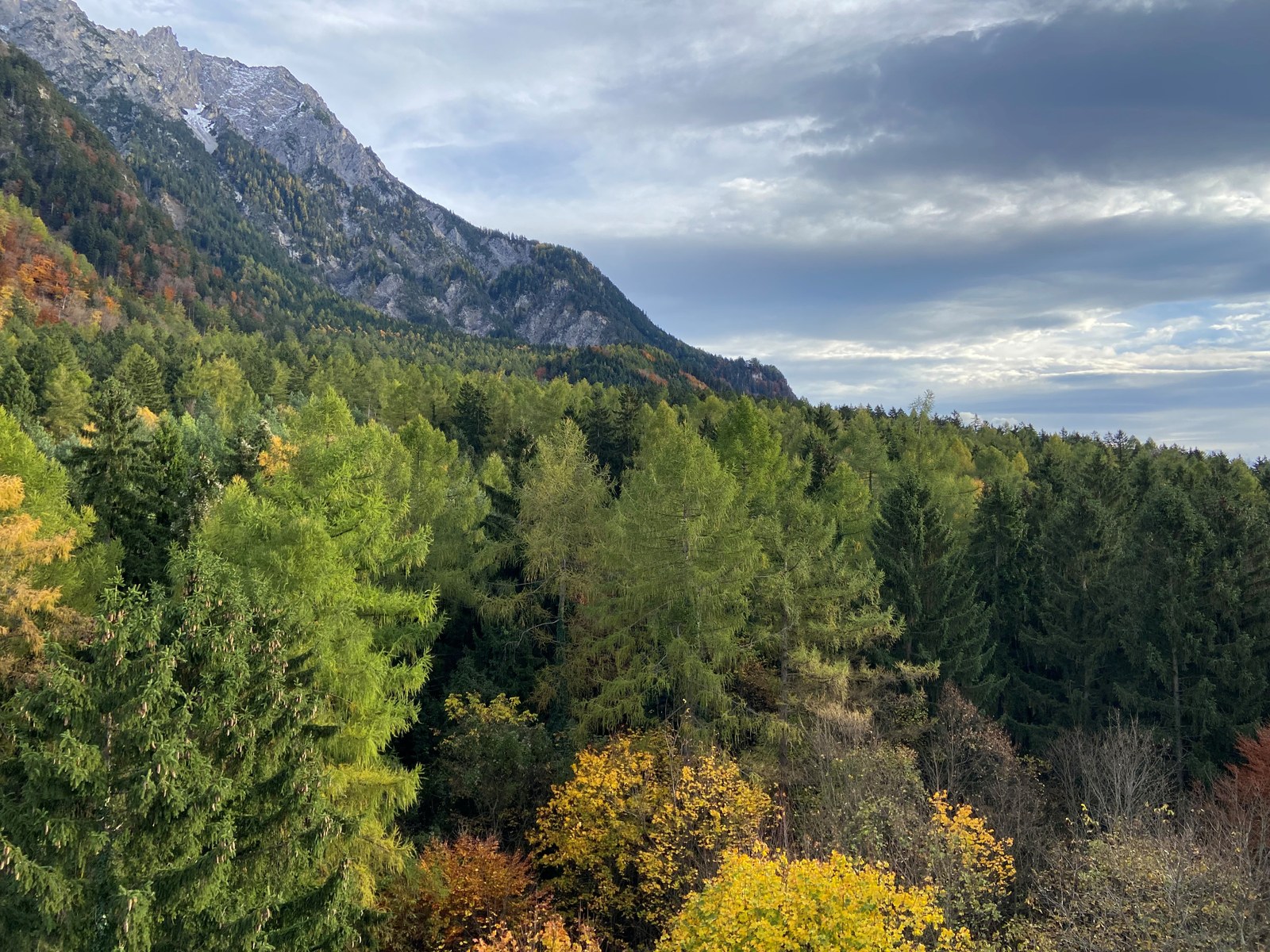
Act now to protect forests: sign the #HandsOffNature petition!
More than 40 percent of the Alpine region is covered by forests. They are not only a defining feature of the landscape, but also a cornerstone of Alpine livelihood, providing building materials, supporting biodiversity, and delivering essential ecosystem services.

Who is CIPRA?
Find out more!
More articles
alpMedia | Schaan, LI
New builds to meet tough climate requirements by 2020
From 2020 new builds in the EU will have to comply with tough energy balance requirements. Last week representatives of the European Parliament and EU states agreed that new builds should in future have virtually zero greenhouse gas emissions. Any remaining energy requirements should also be met essentially from renewable sources. These stipulations are to come into force two years earlier for public buildings.
alpMedia | Schaan, LI
New alpMedia dossiers now online
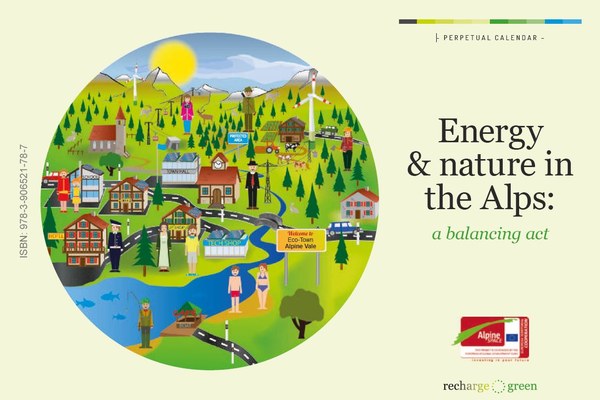
The alpmedia dossiers on energy and nature conservation are now available in German and English on the CIPRA web. Besides a report the dossiers consist of more detailed information such as news items, publications, events and examples of best practice.
alpMedia | Schaan, LI
AlpHouse combines traditional trades & crafts and energy efficiency
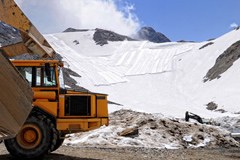
The new three-year Alpine Space Project entitled AlpHouse was launched in early October. AlpHouse strives to enhance the competitiveness of SMEs, especially in the area of trades & crafts, by providing them with the knowledge, skills and tools for top-quality renovations of old buildings in the Alpine region.
alpMedia | Schaan, LI
Climate check-up for the Alps
What sort of impact and side effects do climate response measures have? CIPRA's latest issue of AlpsInsight entitled In the Name of Climate Protection looks at how climate change issues are being addressed in the Alps and points the way towards sustainable action.
Events
|
Local Peaks, Global Learning | online | |
|
Transhumance as Intangible Cultural Heritage of Humanity: A Way Forward? | MUCEM, Marseille/France | |
|
Growing alternative crops for new market opportunities in a changing climate | Vienna/Austria | |
|
Trento Film Festival | Santa Croce street, 67; I-38122 Trento | |
|
ForumAlpinum 2026 | Aosta |
Projects
CIPRA International | CIPRA Deutschland | CIPRA Italia | CIPRA France
Knowledge transfer on the co-adaptation of humans and wolves in the Alpine region
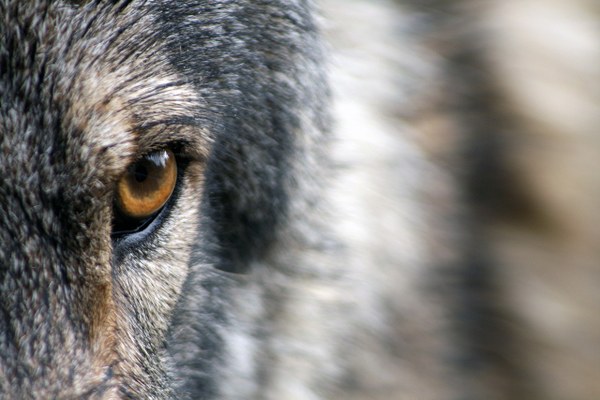
[Project completed] The return of large carnivores is increasingly causing the fronts to harden between different groups of stakeholders. Among the large carnivores returning to the Alps, the wolf is the most widespread and therefore the most widely debated animal. Wolves are synanthropic animals and cross boundaries - physical as well as intangible ones – regularly. Thus, they have been accompanying and influencing social and cultural processes since time immemorial. In this project, CIPRA has taken on the task to collect, analyse, make available and disseminate knowledge about the co-adaptation of humans and wolves throughout the Alps.