
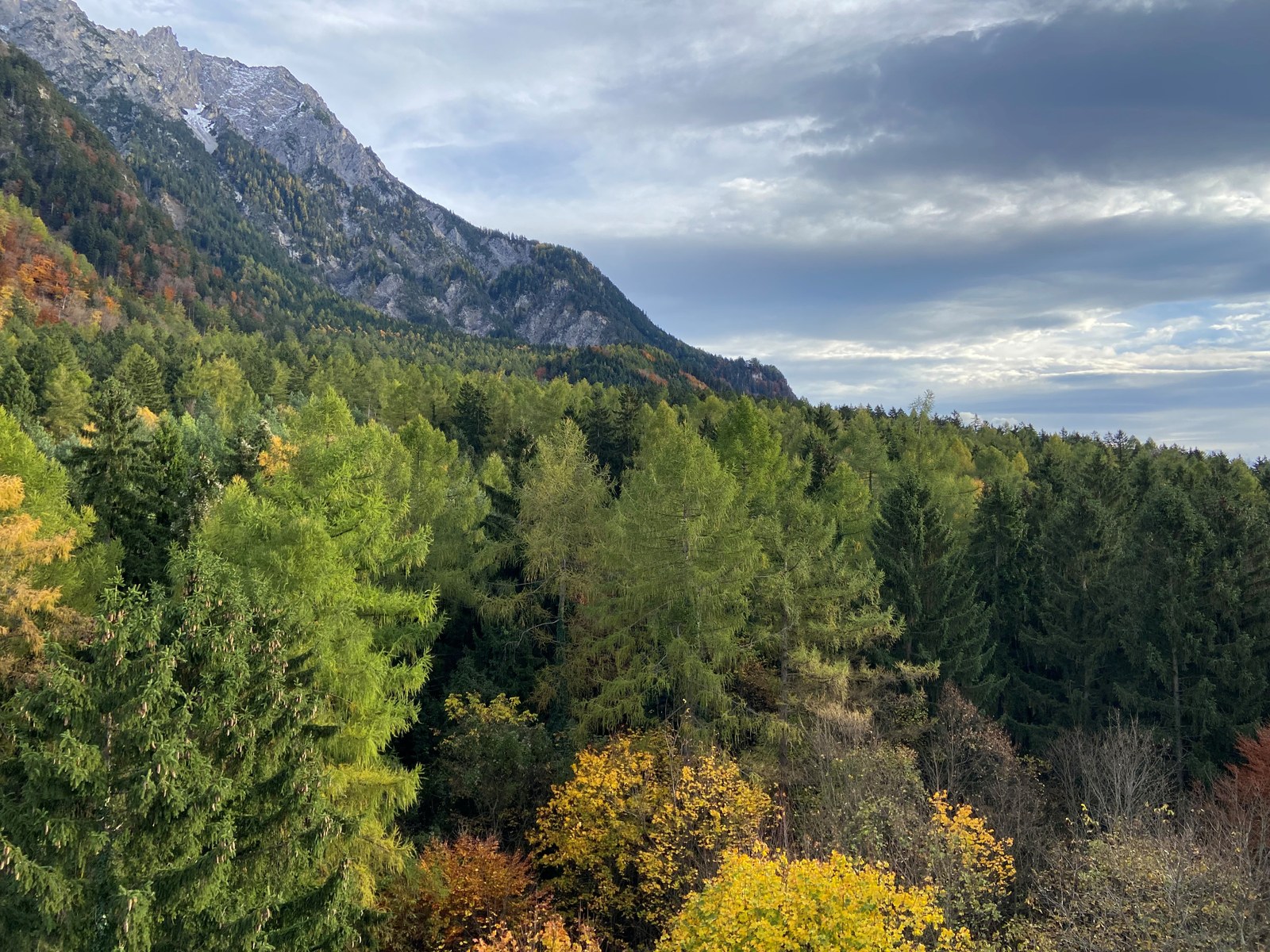
Act now to protect forests: sign the #HandsOffNature petition!
More than 40 percent of the Alpine region is covered by forests. They are not only a defining feature of the landscape, but also a cornerstone of Alpine livelihood, providing building materials, supporting biodiversity, and delivering essential ecosystem services.

Who is CIPRA?
Find out more!
More articles
alpMedia | Schaan, LI
Club Arc Alpin makes a stand on climate change, the expansion of fixed rope routes, and motorised offroad traffic
On September 12 the Club Arc Alpin (CAA) held its members' meeting in Innsbruck at which it formulated political demands on climate change and adopted a number of policy documents on fixed rope routes and motorised offroad traffic. On the subject of climate change the CAA called for a reduction in CO2 as well as a move away from a dependency on fossil sources of energy. It specifically addressed the issue of traffic, to which it suggested a number of measures.
alpMedia | Schaan, LI
New issue of the Eco.mont magazine
The latest issue of eco.mont - Journal on Protected Mountain Areas Research is now available. It features scientific articles from European mountain regions and the Himalayas, with articles on amphibians, visitor monitoring, information management, resource utilisation, and the perception of biodiversity changes.
alpMedia | Schaan, LI
Alpine Convention's climate portal now online
The Permanent Secretariat of the Alpine Convention has gone online with its climate portal, in time for International Mountain Day and the climate negotiations in Copenhagen. The climate portal collates and disseminates information on events, activities and developments relating to climate change in the Alps. Climate-related information from throughout the Alpine region can be submitted to the portal for publication.
cc.alps | Schaan, LI
The construction industry as a key to the problem of climate change
The information provided through cc.alps is now available in the form of focussed background reports called Compacts, which can be downloaded from the CIPRA website at www.cipra.org/de/cc.alps/ergebnisse/compacts . The first three Compacts - on Energy, Nature Protection, and Construction and Refurbishment - address their subjects with reference to climate change in the Alpine context. The authors list and analyse activities relating to climate change mitigation and adaptation, assessing them for sustainability, explaining the conflicts of interest involved, and presenting examples of good practice.
Events
|
Webinar: The journey of water | online | |
|
XIV European Mountain Convention | Sallanches / France | |
|
Alps in Motion: new Alpine-wide Day of Action | alpswide | |
|
Symposium 2: Vernacular Buildings in the Anthropocene | Austrian Academy of Sciences, Vienna (Austria) |
Projects
CIPRA International
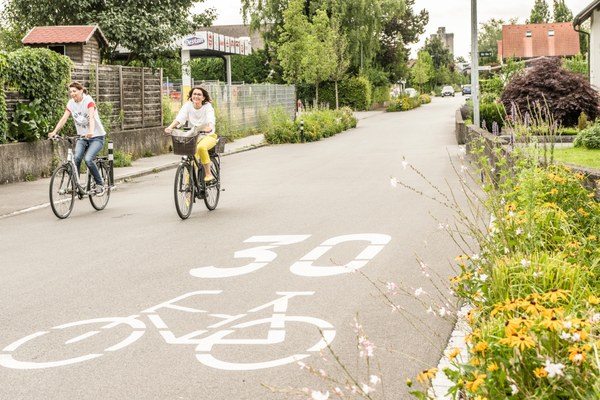
Climate-friendly streetscapes
Whether travelling by car, public transport, bicycle or on foot, roads and their immediate surroundings are probably the most important part of our daily journeys. Against the backdrop of the climate crisis, they can become a problem because they increase the heat island effect and seal the ground. The project, based in the Alpine Rhine Valley, aims to make road spaces fair, climate-friendly and health-promoting.
CIPRA International
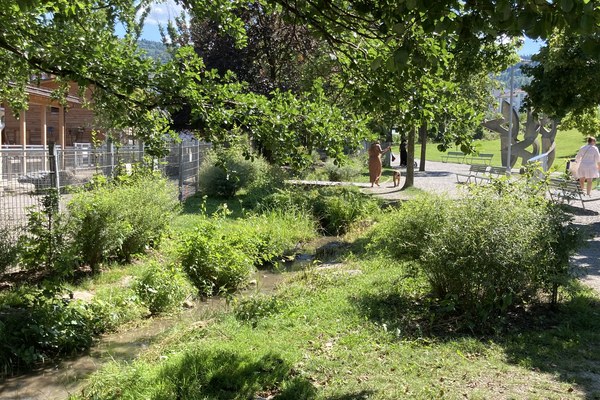
Nature-based solutions and their governance structures in the Alpine region
In view of the global challenges of climate change and biodiversity loss, the use of nature-based solutions (NbS) is becoming increasingly important. On behalf of the German Federal Environment Agency, ifuplan (lead) and CIPRA International are preparing a report on “Nature-based solutions and governance structures in the Alpine region”. The aim of the report is to analyse the potential of various NbS in the Alpine region and the governance mechanisms behind them that ensure their success. Based on this, their transferability to other Alpine regions will be analysed and recommendations for action formulated.
CIPRA International
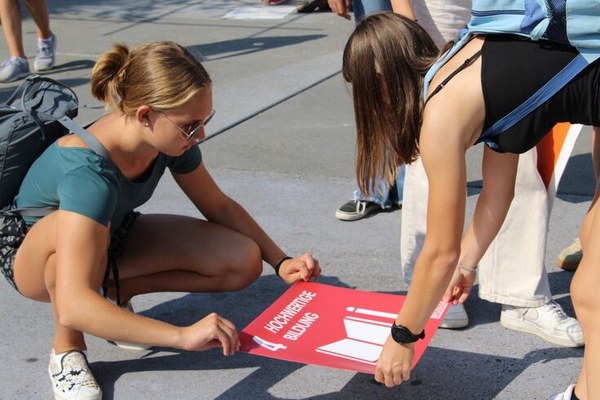
Ars vivendi
[Project completed] How can the Sustainable Development Goals (SDGs) be learned and taught? In the project «ars vivendi» a didactic tool for the Global Agenda 2030 is being developed.