
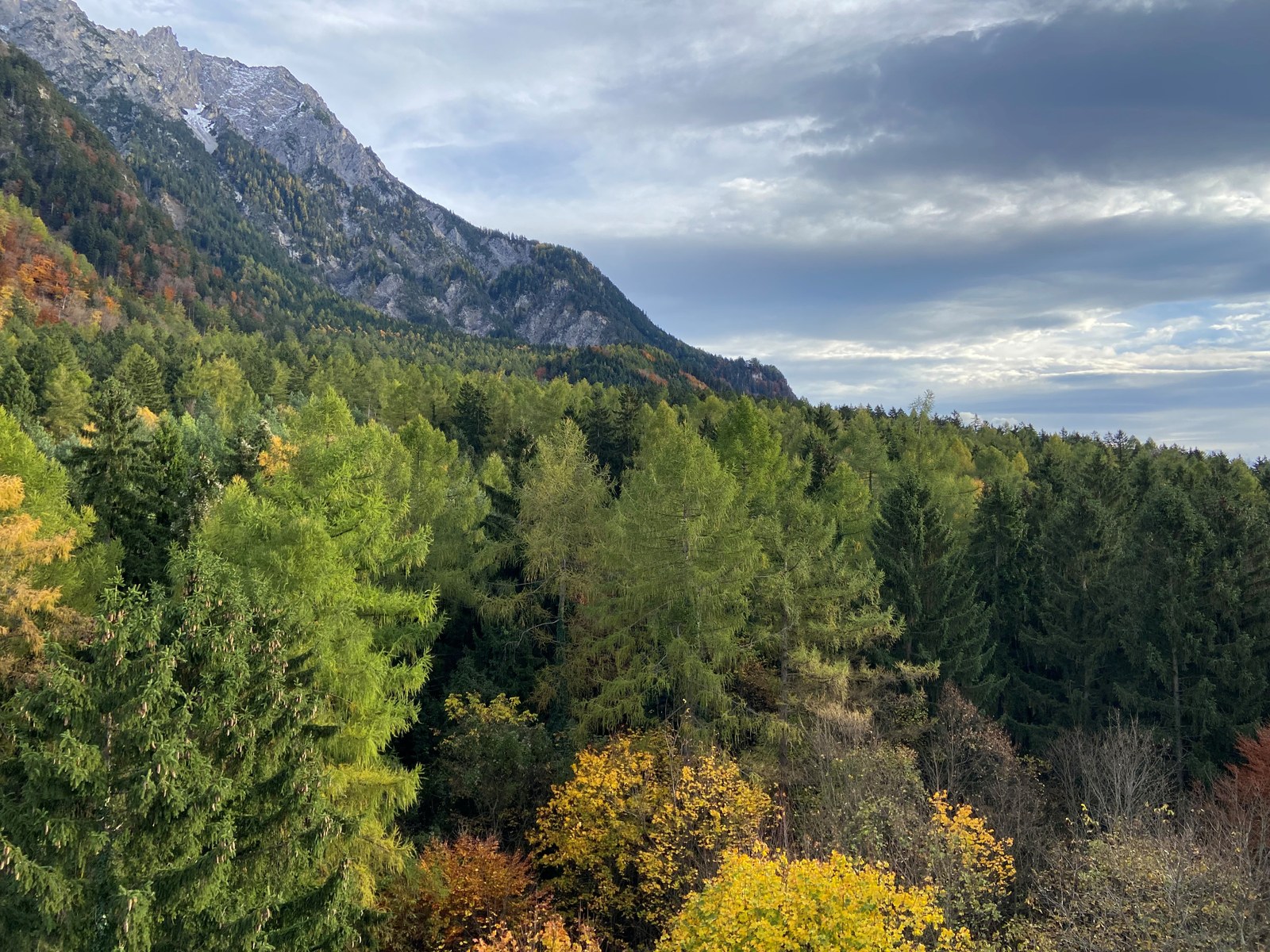
Act now to protect forests: sign the #HandsOffNature petition!
More than 40 percent of the Alpine region is covered by forests. They are not only a defining feature of the landscape, but also a cornerstone of Alpine livelihood, providing building materials, supporting biodiversity, and delivering essential ecosystem services.

Who is CIPRA?
Find out more!
More articles
CIPRA Internationale Alpenschutzkommission | Schaan, LI
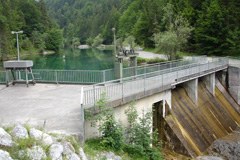
Alpine riverine landscapes: connectivity, barriers and fragmentation
How strongly is a river landscape fragmented? What are the most important barriers and obstacles in Alpine rivers? These questions are in the focus of the Institute of Ecology from University of Innsbruck within its ECONNECT activities. The results will be visualized with the help of GIS and contacts to regional watershed authorities established for the reduction of barrier impacts and restoration.

CIPRA Internationale Alpenschutzkommission | Schaan, LI
Ecological Connectivity and the Law: from barriers to instruments
Entering the second year of the ECONNECT project, the activities on legal barriers (Work Package 6) are steadily progressing. The two major fields of action are at the moment a comparative analysis of the legal frameworks of ecological connectivity in the Alps and the analysis of the legal situation in the pilot regions.
CIPRA Internationale Alpenschutzkommission | Schaan, LI
Understandable and visualised ECONNECT website
The ECONNECT website www.econnectproject.eu has recently been translated into the four project languages (French, German, Italian and Slovenian) and will soon be updated with maps.
CIPRA Internationale Alpenschutzkommission | Schaan, LI
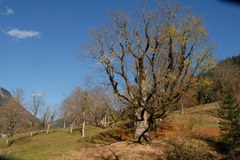
Berchtesgaden - Salzburg: Improving the ecological network of extensive grasslands
Extensively cultivated grasslands are important landscape elements for ecological connectivity in the pilot region Berchtesgaden - Salzburg. Improving these habitats will help to safeguard species such as butterflies, dragonflies or grasshoppers. This is one of the tasks of the subprojects within ECONNECT which are currently being finalised.
Events
|
Local Peaks, Global Learning | online | |
|
Transhumance as Intangible Cultural Heritage of Humanity: A Way Forward? | MUCEM, Marseille/France | |
|
Growing alternative crops for new market opportunities in a changing climate | Vienna/Austria | |
|
Trento Film Festival | Santa Croce street, 67; I-38122 Trento | |
|
ForumAlpinum 2026 | Aosta |
Projects
CIPRA International
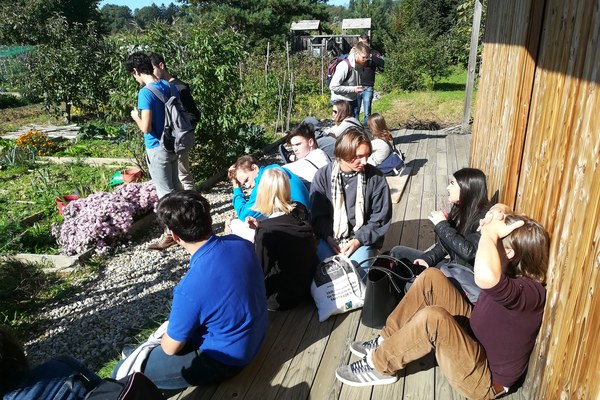
Alps2030
[Project completed] Climate change, increasing consumption of resources and waste problems threaten nature and society in the Alps. With their 17 Sustainable Development Goals (SDGs), almost all countries worldwide have set themselves the target of making global development socially, ecologically and economically sustainable by 2030.
CIPRA International | CIPRA Youth Council
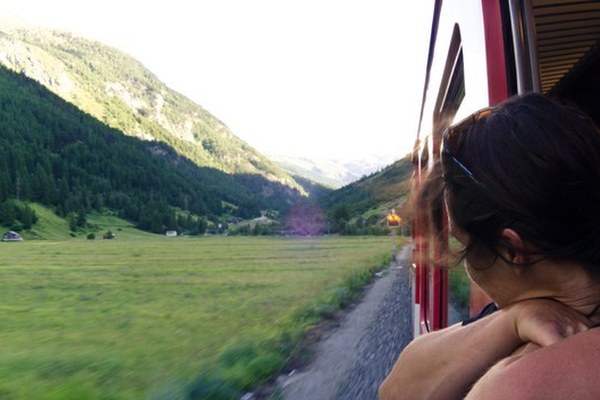
AlpTick
Having one ticket for all public transportation in the entire Alpine region – this is our vision. The Alpine Ticket (AlpTick) makes travelling in the Alps easier, more sustainable and more attractive for young people. It is an idea developed by the CIPRA Youth Council (CYC) based on its members’ experiences of travelling on public transport in the Alps.
CIPRA International | CIPRA Slovenija | CIPRA Deutschland | CIPRA Italia | CIPRA Schweiz | CIPRA France | CIPRA Youth Council
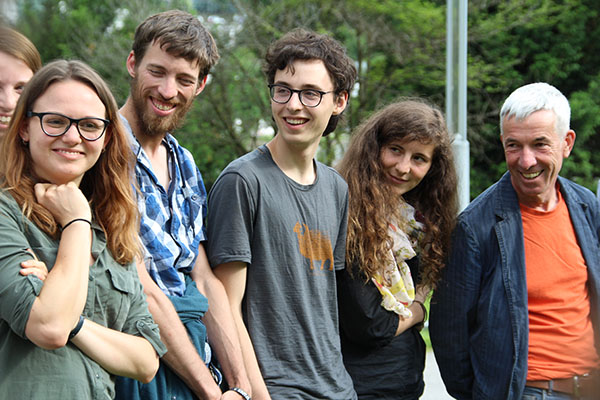
Re.sources
[Project completed] Water, soil, bees, ideas, motivation, time: the Alps contain a wide range of resources. A large part of the natural capital is under threat, while the social potential for more sustainable solutions still slumbers in many places. What are my resources and what are yours? Which ones are in danger and which ones are our lives dependent on? What resources does it take to make a change towards sustainable development in the Alps?