
Act now to protect forests: sign the #HandsOffNature petition!
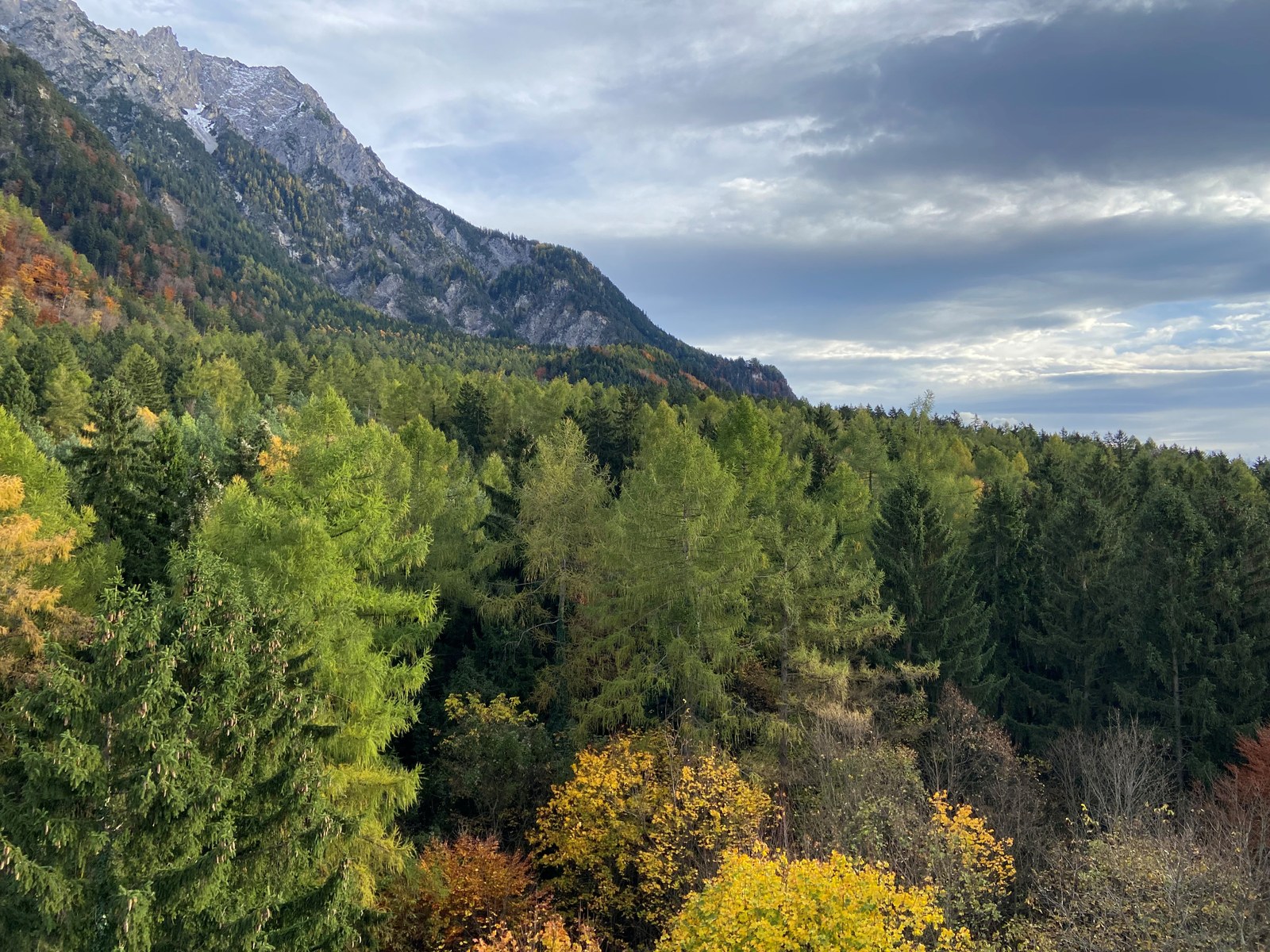
More than 40 percent of the Alpine region is covered by forests. They are not only a defining feature of the landscape, but also a cornerstone of Alpine livelihood, providing building materials, supporting biodiversity, and delivering essential ecosystem services.

Who is CIPRA?
Find out more!
More articles

alpMedia | Schaan, LI
A milestone for alpMedia
With its current issue CIPRA's three-weekly Newsletter alpMedia is going out to more than 25'000 people throughout the Alps for the first time. CIPRA launched the alpMedia information project during the International Year of the Mountains 2002, and at that time the Newsletter was sent to just 1'700 people.
alpMedia | Schaan, LI
Gran Paradiso National Park: what is causing young ibexes to die out?
Since the foundation of Italy's first national park in 1922, the Alpine Ibex has been preserved from extinction for the past 100 years or so. Now the ibex population at the Gran Paradiso National Park/I is seriously at risk. Three quarters of the young animals are dying during their first year of life. In 1993 the population totalled around 5'000 animals; today the population at the Gran Paradiso National Park is just under half that number. It is still unclear what is causing the death of the young bi-ungulates.
alpMedia | Schaan, LI
An Alpine Museum for Slovenia
In early August more than 1'000 mountaineers and mountain enthusiasts attended the opening of the Slovenian Alpine Museum (Slovenski planinski muzej - SPM) in Mojstrana/SI. The multitude of guests who attended underlines just how strong the demand is for such an institution in the Slovenian Alps. Slovenia owes its Alpine Museum first and foremost to Miro Eržen, who fought for the project for 25 years. The new Museum was officially inaugurated by the President of Slovenia Danilo Türk.
alpMedia | Schaan, LI
Europe's mountains: rich in biodiversity but increasingly vulnerable
In its study 10 Messages for 2010 - Mountain Ecosystems the European Environmental Agency takes a closer look at Europe's mountain regions. Compared with the lowlands, regions above the tree line are home to a richer variety of plant and animal species. The biggest threats include land abandonment, intensification of agriculture, infrastructure development, unsustainable exploitation and climate change.
Events
|
Webinar: The journey of water | online | |
|
XIV European Mountain Convention | Sallanches / France | |
|
Alps in Motion: new Alpine-wide Day of Action | alpswide | |
|
Symposium 2: Vernacular Buildings in the Anthropocene | Austrian Academy of Sciences, Vienna (Austria) |
Projects
Caretaker Tourism
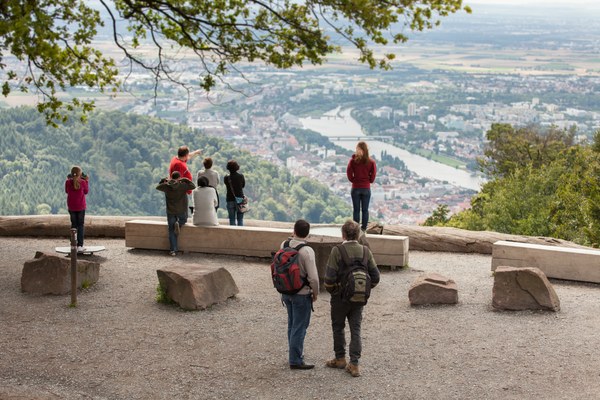
The Alpine Climate Board (ACB) is a body of the Alpine Convention that is committed to climate-neutral and climate-resilient Alps by 2050, with the “Tourism” pathway also in this sector. Within the framework of “Caretaker Tourism”, certain organizations and individuals assume responsibility for developing climate-friendly and sustainable tourism strategies.

CIPRA International Lab
OUT4INGOV: Shaping youth migration
The emigration of young people poses major challenges for many Alpine regions. The OUT4INGOV project is working with local organisations to develop innovative approaches to better manage youth migration and raise awareness of the issue in society.
CIPRA France
GOVQoL – Empowering Alpine communities to improve their quality of life
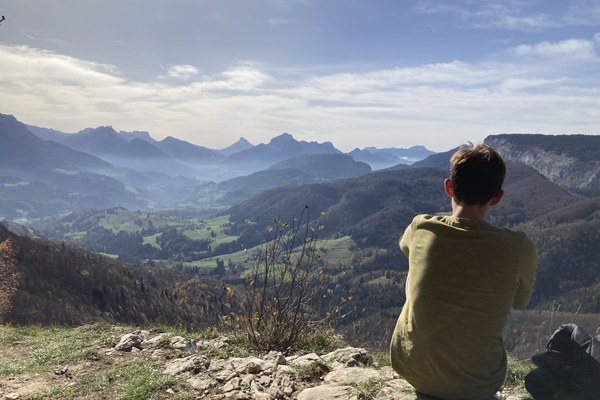
Alpine communities’ quality of life (QoL) is currently facing several challenges such as the depopulation of remote areas, reduced provision of services of general interest, the impacts of climate change, and mistrust of governance. These issues are not only reshaping the Alpine territories but also impacting the daily lives of its inhabitants. Despite the urgent need for responsive and inclusive governance, there is currently a significant gap in understanding and addressing QoL at the local level which our project aims to address.