
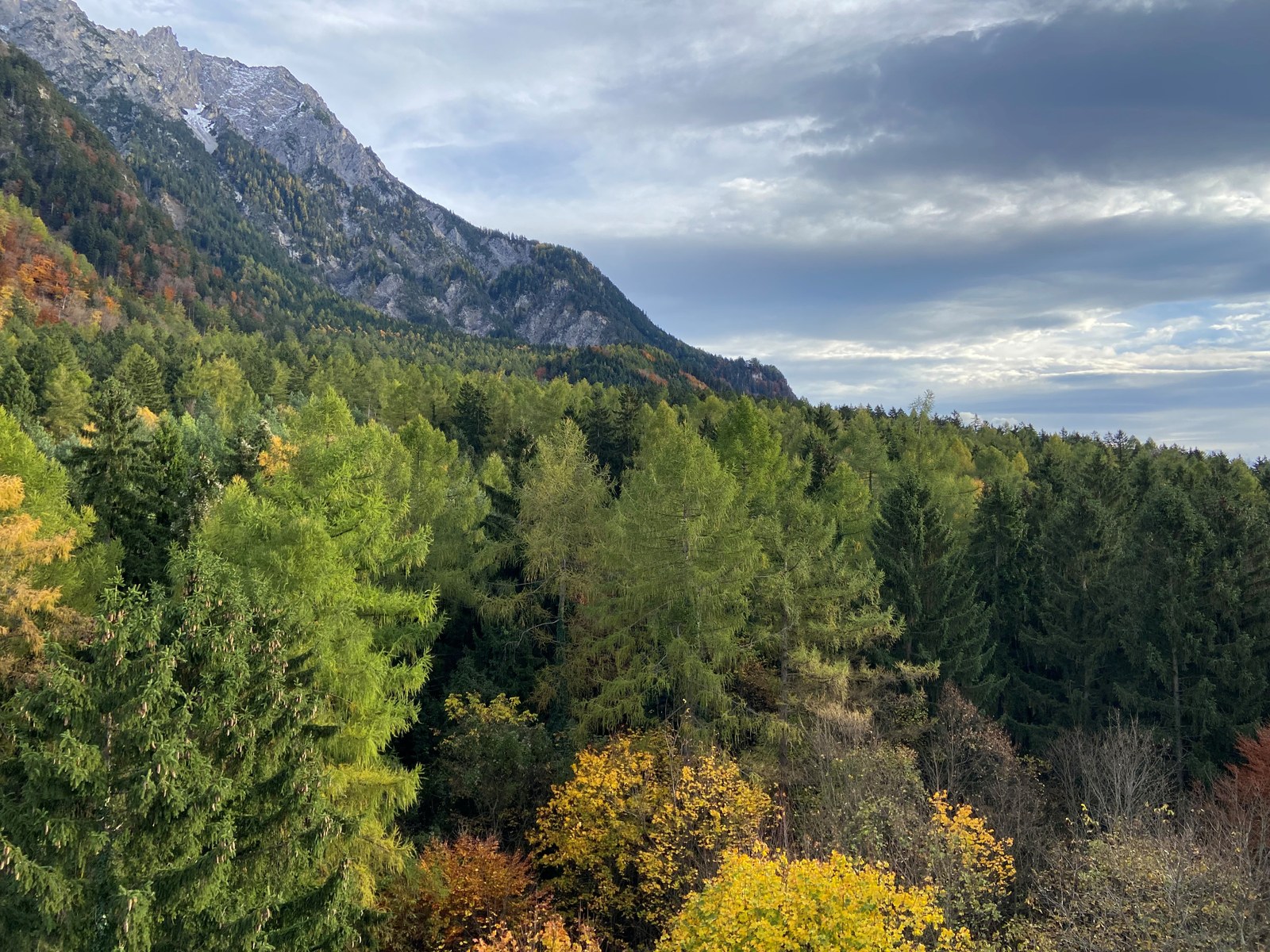
Act now to protect forests: sign the #HandsOffNature petition!
More than 40 percent of the Alpine region is covered by forests. They are not only a defining feature of the landscape, but also a cornerstone of Alpine livelihood, providing building materials, supporting biodiversity, and delivering essential ecosystem services.

Who is CIPRA?
Find out more!
More articles
CIPRA Internationale Alpenschutzkommission | Schaan, LI
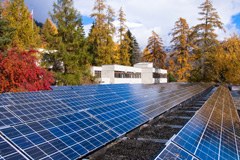
Background report on "Energy Self-sufficient Regions" now online!
The latest cc.alps background report is the compact on "Energy Self-sufficient Regions". It is dedicated to this topical, future-oriented issue and takes an in-depth look at the ambitious concept and its conflicts of objectives.

CIPRA Internationale Alpenschutzkommission | Schaan, LI
Calm and collected in a heated discussion: Pascale Poblet, CCP Project Manager "There's no stress involved in travelling by bus or by bike."
With a commuter plan that encourages the use of modes of transport other than cars the STMicroelectronics and ST-Ericsson site in Grenoble/F is committed to eco- and climate-friendly mobility. For this initiative the company was awarded one of the cc.alps competition prizes worth 10,000 euros. Pascale Poblet, CCP (Company Commuter Plan) Project Manager, explains why the company's workforce is in such great shape and why the company's kitty has benefited as a result.
alpMedia | Schaan, LI
CIPRA Yearly Symposium 2010: "The Alps Adapting to Change"
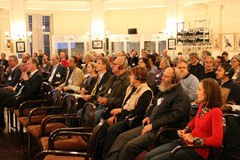
CIPRA's 54th Yearly Symposium was held in Semmering/A (14-16 October 2010) to the motto of "The Alps Adapting to Change - Peripheral Regions Between Wasteland and Hope". It clearly showed that decision-makers are only now beginning to perceive the problems remote areas within the Alps are faced with. Unsurprisingly there were no patent remedies to the problems these areas have to contend with - indeed the circumstances and claims to exploitation in individual regions of the Alps are far too diverse and need to be countered in just as many ways. What remains is a need for debate and action for a sustainable, future-orientated development of peripheral rural regions in the Alps.
alpMedia | Schaan, LI
European mountain areas: focusing on trendsetting projects
In mid-September 350 experts and interested participants from 23 countries gathered in Lillehammer/NO to discuss the implementation of innovative projects in European mountain areas. By now in the mountains of Europe there are already multiple trendsetting projects in progress. One of the conclusions reached by the experts is that a better usage needs to be made of that potential, and that it also needs to be expanded further.
Events
|
Local Peaks, Global Learning | online | |
|
Transhumance as Intangible Cultural Heritage of Humanity: A Way Forward? | MUCEM, Marseille/France | |
|
Growing alternative crops for new market opportunities in a changing climate | Vienna/Austria | |
|
Trento Film Festival | Santa Croce street, 67; I-38122 Trento | |
|
ForumAlpinum 2026 | Aosta |
Projects
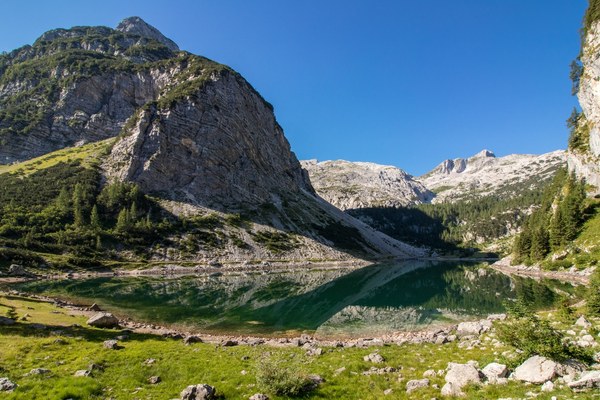
Responsible management of mountain water resources
Mountain regions constitute a unique yet fragile natural environment that provides habitat for numerous rare and endemic species. Their biodiversity is rich, yet highly vulnerable. These areas host a variety of aquatic ecosystems—rivers, streams, lakes, wetlands and peat bogs — which have very limited self-purification capacity and are extremely sensitive to change. Their condition is directly affected by climate change and human activities.
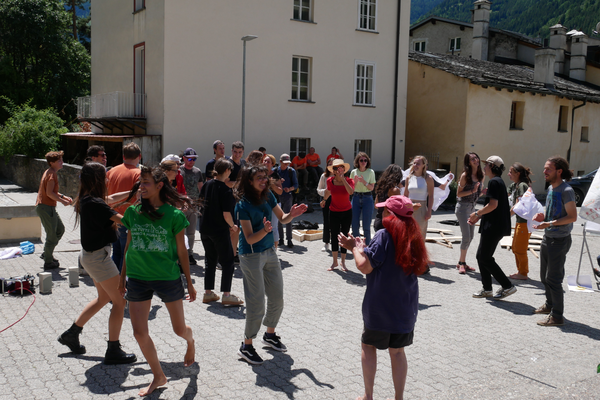
CIPRA International
Alpine Changemaker Network
How can we advance eco-social transformation in the Alpine region? The Alpine Changemaker Network project combines Alpine traditions, as reflected in contemporary art, culture and design, with current approaches to overcoming global crises.
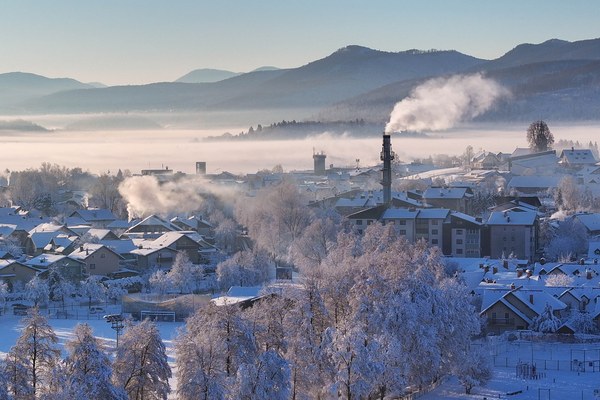
Heating of buildings and air quality 2.0
The project represents a continuation of efforts to reduce air pollution resulting from improper combustion in individual furnaces. Particular attention is paid to the use of outdated wood biomass combustion devices, which contribute significantly to emissions of particles that are harmful to health.