
Act now to protect forests: sign the #HandsOffNature petition!
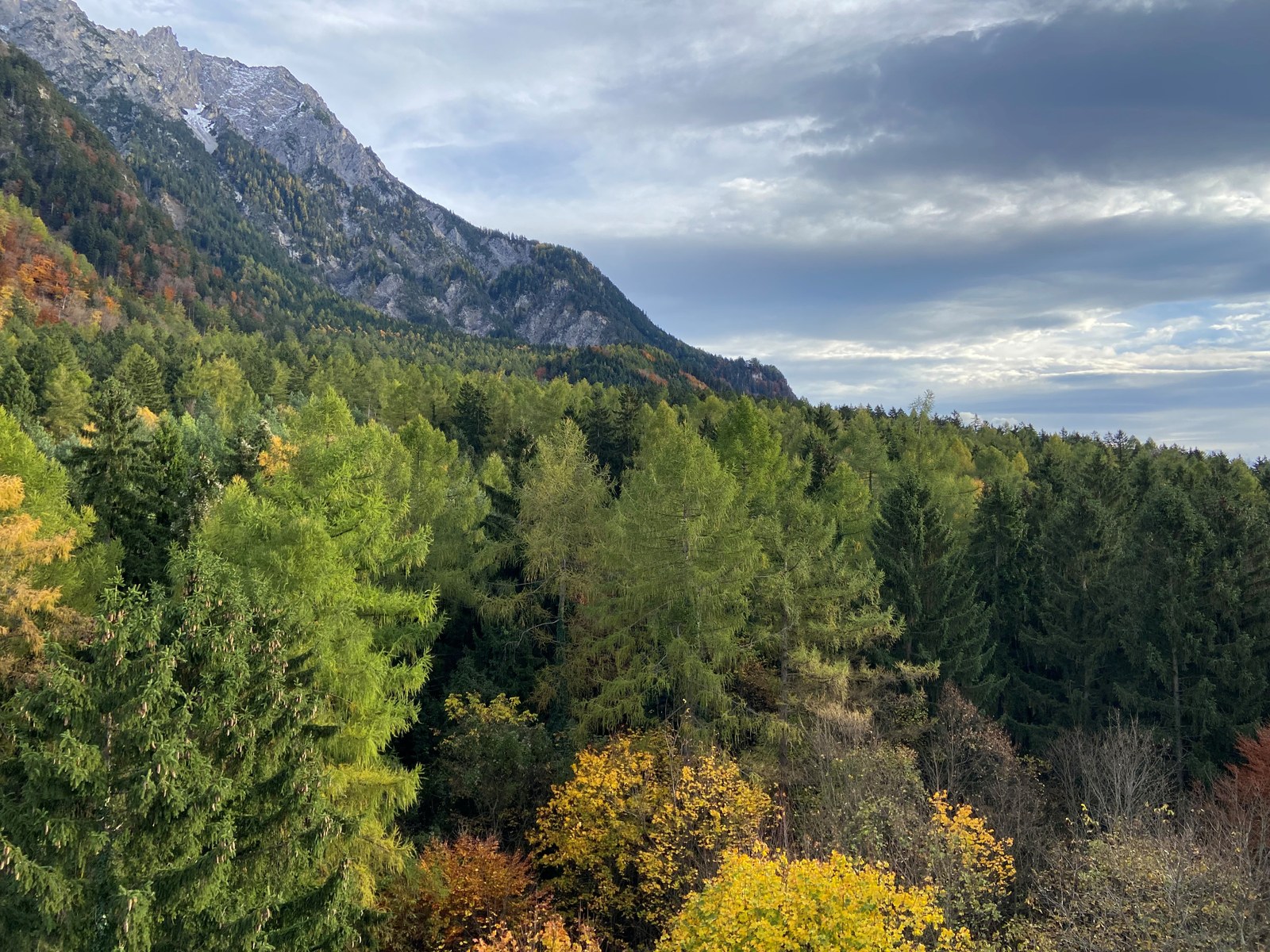
More than 40 percent of the Alpine region is covered by forests. They are not only a defining feature of the landscape, but also a cornerstone of Alpine livelihood, providing building materials, supporting biodiversity, and delivering essential ecosystem services.

Who is CIPRA?
Find out more!
More articles
alpMedia | Schaan, LI
Natural hazards: an incalculable risk for road and rail?
Time and time again avalanches, debris-flows and rock falls result in roads being blocked and railway tracks being swept away, causing fatalities. The Alpine Space Project PARAmount is looking to bridge the gap between society's demands on transportation routes and the outline conditions defined by nature.
alpMedia
Olympic Games: no benefit to the national economy
Switzerland is once again discussing its candidacy for the 2022 Winter Olympics. Environmental organisations are warning against the ecological and economic repercussions. Even Marco Blatter, former CEO of Swiss Olympic, has been quoted on Swiss radio, saying that he was glad the 2006 Games were not held in the Valais. He added that in Turin/I the Games had grown out of all proportion. "With all the infrastructure investments Turin cost around CHF 4.5 bn; Vancouver is costing around CHF 6 bn; and Sochi 2014 is officially budgeting for CHF 13 bn," reports Switzerland's SonntagsZeitung.
alpMedia | Schaan, LI
Biodiversity in times of climate change: management or wilderness?
The concrete impact of climate change on biodiversity is still uncertain. However it is expected to be visible particularly in the behaviour of the flora and fauna in the Alps and also to be different for each species. The habitat of butterflies such as the marbled ringlet (Erebia montana) is set to shrink, alike the grouse's. But in a different way, because the grouse is more severely impacted by land use than by climate change.
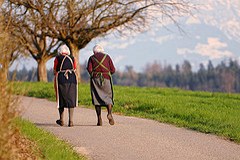
alpMedia | Schaan, LI
Conference on demographic change in the Alpine region
The Alpine Space Forum, to be held in Innsbruck/A from 22 to 23 February 2011, focuses on coping with demographic change in the Alpine region. The Alps are particularly affected as settlement areas are limited and many Alpine communities are located in the peripheries.
Events
|
Webinar: The journey of water | online | |
|
XIV European Mountain Convention | Sallanches / France | |
|
Alps in Motion: new Alpine-wide Day of Action | alpswide | |
|
Symposium 2: Vernacular Buildings in the Anthropocene | Austrian Academy of Sciences, Vienna (Austria) |
Projects
CIPRA International
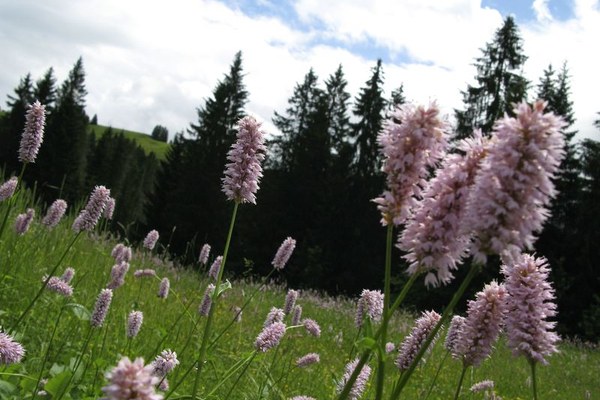
speciAlps
[Project completed] Grasslands, marshes, hedges, biotopes and woods are examples of natural treasures and biological diversity that are of great value to alpine regions and municipalities. Not only do they offer a habitat for plants and animals, but also humans value functioning natural areas for their attractiveness and the quality of life they offer. Nevertheless, –these areas have much more potential than we often realise and there is much more every municipality can do!
CIPRA International | CIPRA France
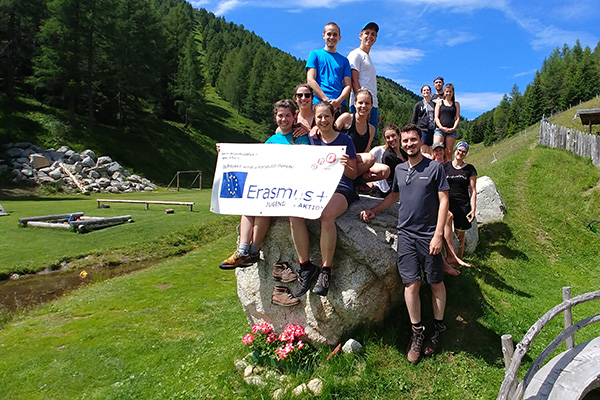
whatsalps youth
[Project completed] Many young people spend most of their time indoors, sit in front of the TV or the computer. The "whatsalp youth"-project lured them out. The CIPRA Youth Council, together with CIPRA International and other project partners, was implementing it.
CIPRA International
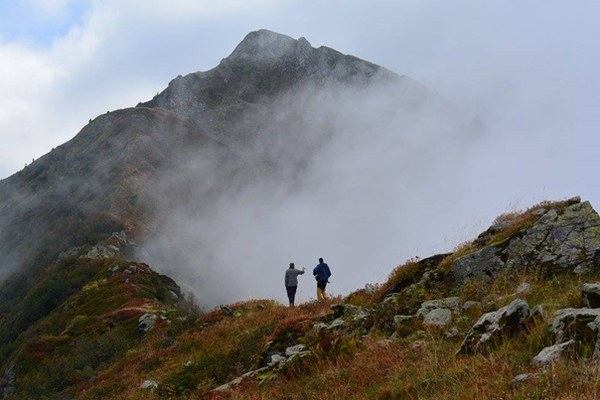
Worthwild
[Project completed] Only minimally impacted by human intervention, areas with limited infrastructural development in the Alps provide European societies with a wide range of ecosystem services, such as the conservation of biodiversity and climate regulation.