
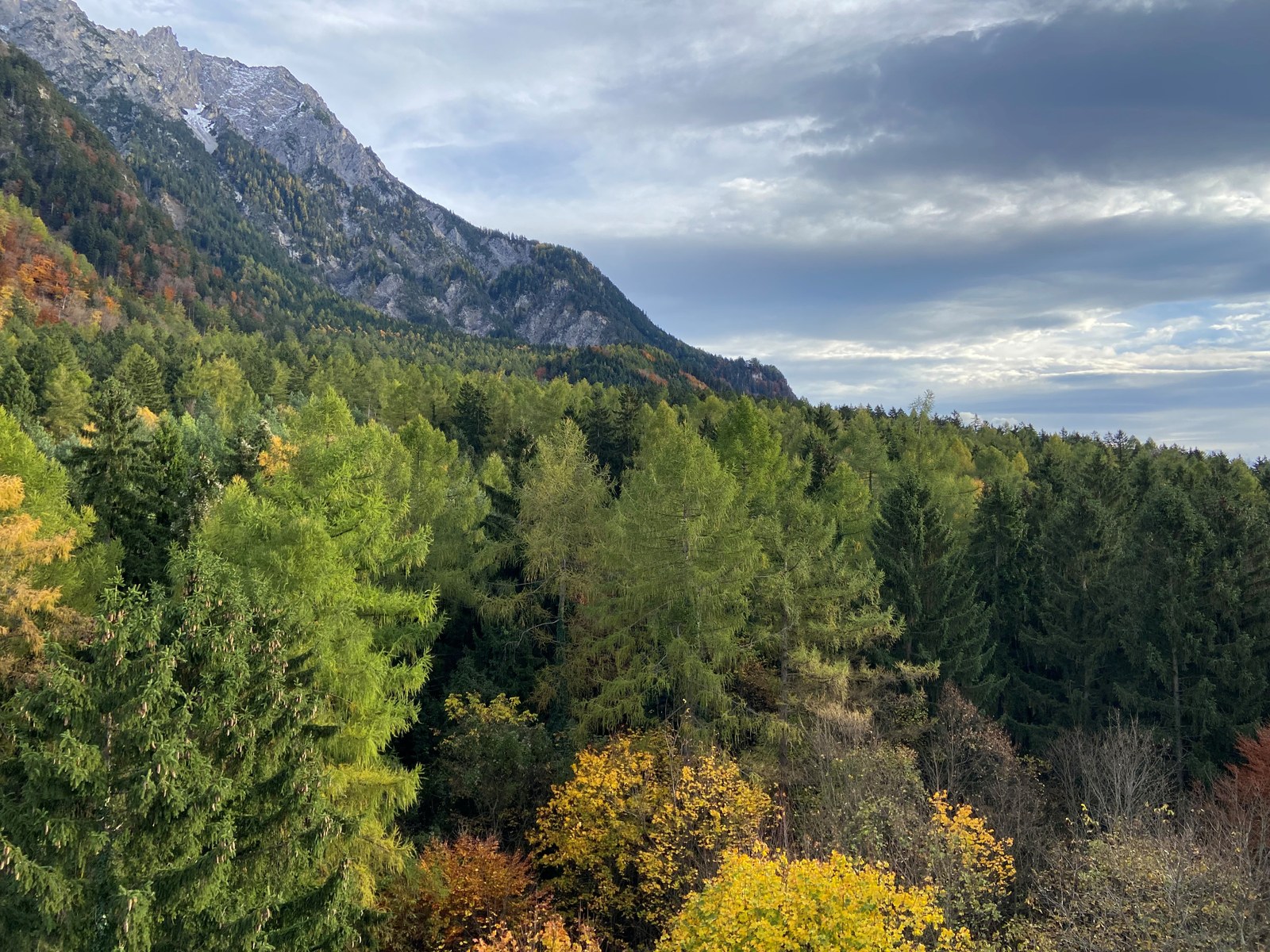
Act now to protect forests: sign the #HandsOffNature petition!
More than 40 percent of the Alpine region is covered by forests. They are not only a defining feature of the landscape, but also a cornerstone of Alpine livelihood, providing building materials, supporting biodiversity, and delivering essential ecosystem services.

Who is CIPRA?
Find out more!
More articles
alpMedia | Schaan, LI
Green electricity for Liechtenstein
As of next year the electricity flowing out of Liechtenstein's power sockets will be sourced exclusively from renewable energies, but only in private households that do not insist on the previous mix of nuclear energy and fossil fuels.

alpMedia | Schaan, LI
Eight new nature parks in Switzerland
The first national park in the Alps was established in the Engadine in 1914. Since then there have been very few efforts in Switzerland to create other protected areas.
alpMedia | Schaan, LI
The Alpine Region as a macro-region?
The EU already has a macro-region strategy for the Danube Region and the Baltic Sea. So why not also for the Alpine Region? At the beginning of July, the Arge Alp Working Group advocated a resolution calling for a "macro-region for the Alps".
alpMedia | Schaan, LI
Climate plan for South Tyrol
The Province of Bolzano wants to become more energy efficient by 2050. Every inhabitant of the Province currently produces around five tonnes of carbon dioxide. The aim is to cut that figure to a mere 1.5 tonnes over the next forty years.
Events
|
Local Peaks, Global Learning | online | |
|
Transhumance as Intangible Cultural Heritage of Humanity: A Way Forward? | MUCEM, Marseille/France | |
|
Growing alternative crops for new market opportunities in a changing climate | Vienna/Austria | |
|
Trento Film Festival | Santa Croce street, 67; I-38122 Trento | |
|
ForumAlpinum 2026 | Aosta |
Projects
CIPRA International
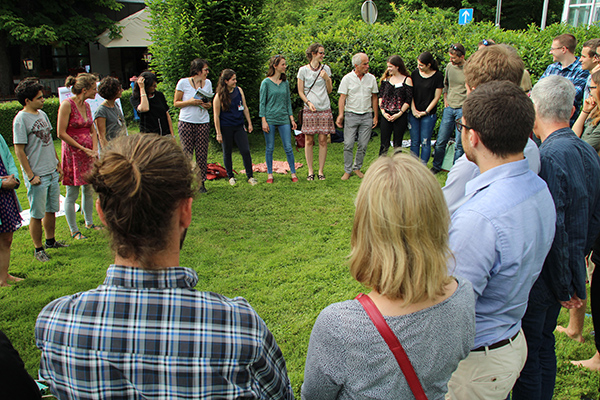
Living Labs
[Project completed] The project “Living Labs” brought together people of different ages from different Alpine countries to work together on process and know-how on selected topics. The project approach was participative and based on the principles of co-creation between young talents aged 18-30 years, environmental NGOs, civil society and politicians. The participants of this intergenerational project are committed to the sustainable development of the Alps at local, national and international level. For a desirable future it is important to set the right course today and to talk about how existing natural resources can be used sustainably.
CIPRA International | CIPRA Deutschland | CIPRA France | CIPRA Italia | CIPRA Slovenija
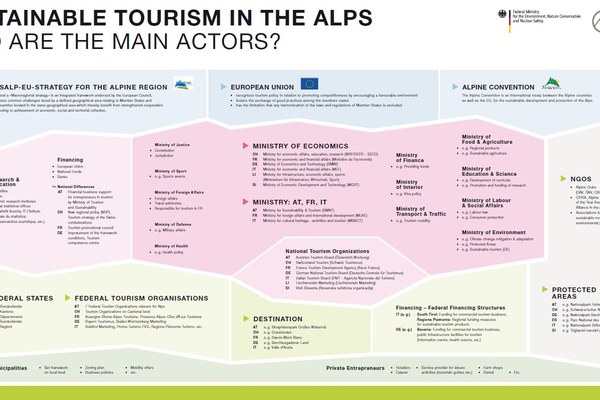
Sustainable Alpine Tourism
[Project completed] Sustainable tourism in the Alps is the only long-term alternative to conventional mass tourism in order to safeguard the habitat for nature and people. So far, however, there is a lack of jointly defined framework conditions on anational or alpine level for planning, promoting and implementing sustainable tourism.
CIPRA International
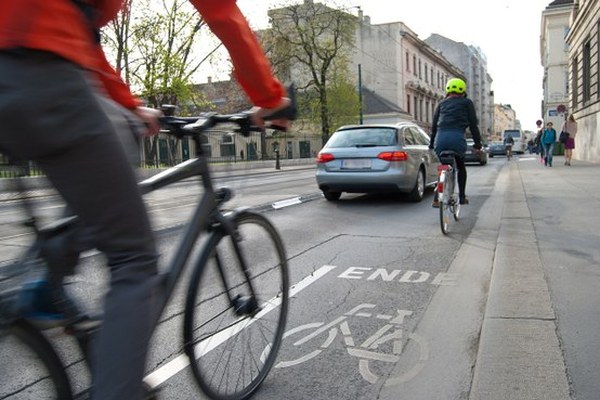
Cross-border mobility
[Project completed] Tens of thousands of commuters move across national borders every day in the Alpine region. Existing traffic routes, however, were mostly built with a purely national perspective and are not geared to cross-border commuter flows. The result is overloaded roads, noise and pollution for local residents.