
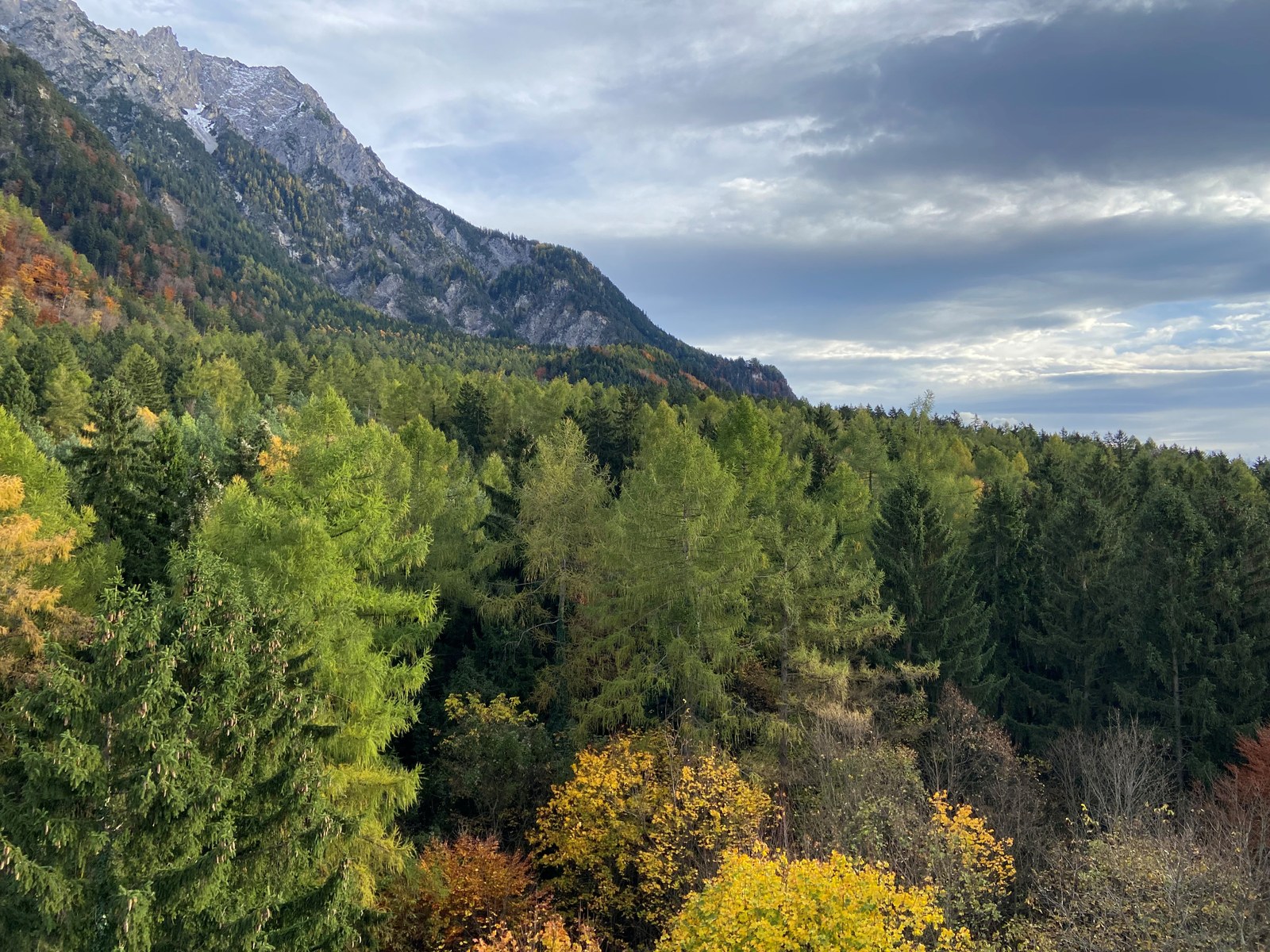
Act now to protect forests: sign the #HandsOffNature petition!
More than 40 percent of the Alpine region is covered by forests. They are not only a defining feature of the landscape, but also a cornerstone of Alpine livelihood, providing building materials, supporting biodiversity, and delivering essential ecosystem services.

Who is CIPRA?
Find out more!
More articles
McKenna Davis | Ecologic Institute Berlin - Brussels - Vienna - Washington DC | Berlin, DE
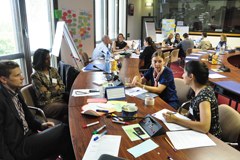
Sharing experience to strengthen green infrastructure
How can green infrastructure and its contribution to the provision of a wide range of ecosystem services be strengthened at different spatial scales? An expert workshop on 'Green infrastructure policies and projects' aimed to answer this question. The workshop took place in Brussels on 7 September 2011 and was organised by Ecologic Institute with support from GHK and Institute for European Environmental Policy.
CIPRA Internationale Alpenschutzkommission | Schaan, LI
One step further towards ecological connectivity in France
The French law on ecological networks ("trame verte et bleue") has recently been updated with two decrees, which asses and divide the implementation roles of the state and the regions. Further information: www.actu-environnement.com/ae/news
CIPRA Internationale Alpenschutzkommission | Schaan, LI
Life+ Projects increasing ecological connections along the Alps-Apennines corridor and in Lapland
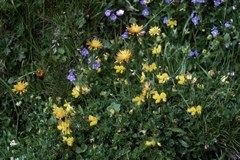
In the frame of the LIFE+ Nature & Biodiversity programme 2010 two projects regarding ecological connectivity have been implemented. The objective of the project in Lombardy, Italy, is to increase the functionality of the ecological corridor between the Alps and the Apennines.
CIPRA Internationale Alpenschutzkommission | Schaan, LI
NGOs send joint message on the EU biodiversity strategy
A group of 22 nature conservation NGOs, joined in The European Habitat Forum EHF, have expressed their beliefs that increased political effort is required at EU and Member State level to meet the new EU biodiversity target of halting the loss of biodiversity and ecosystem services in the EU by 2020.
Events
|
Local Peaks, Global Learning | online | |
|
Transhumance as Intangible Cultural Heritage of Humanity: A Way Forward? | MUCEM, Marseille/France | |
|
Growing alternative crops for new market opportunities in a changing climate | Vienna/Austria | |
|
Trento Film Festival | Santa Croce street, 67; I-38122 Trento | |
|
ForumAlpinum 2026 | Aosta |
Projects
Responsible management of mountain water resources
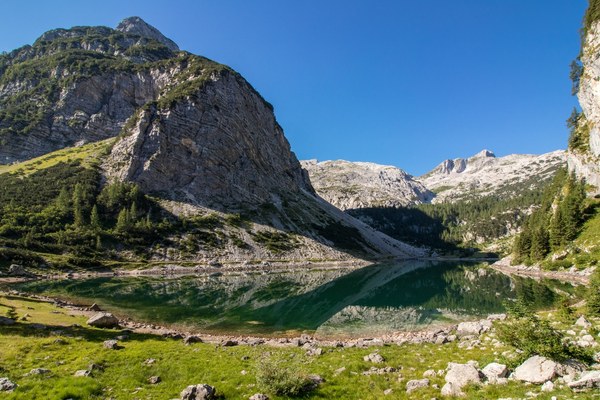
Mountain regions constitute a unique yet fragile natural environment that provides habitat for numerous rare and endemic species. Their biodiversity is rich, yet highly vulnerable. These areas host a variety of aquatic ecosystems—rivers, streams, lakes, wetlands and peat bogs — which have very limited self-purification capacity and are extremely sensitive to change. Their condition is directly affected by climate change and human activities.
CIPRA International
Alpine Changemaker Network
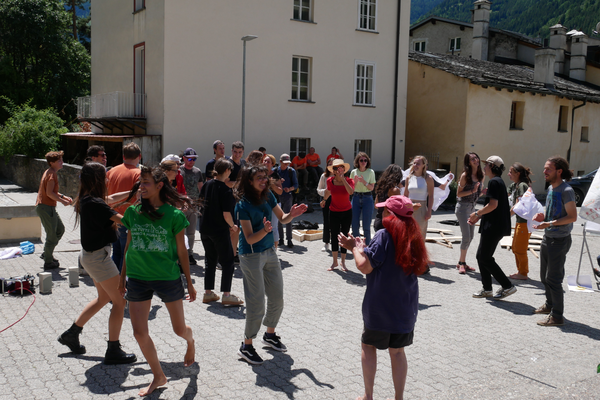
How can we advance eco-social transformation in the Alpine region? The Alpine Changemaker Network project combines Alpine traditions, as reflected in contemporary art, culture and design, with current approaches to overcoming global crises.
Heating of buildings and air quality 2.0
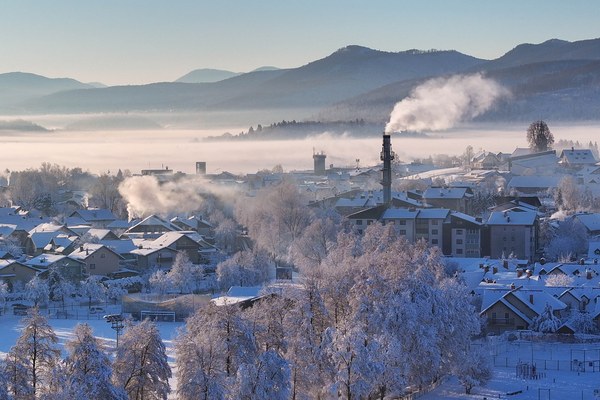
The project represents a continuation of efforts to reduce air pollution resulting from improper combustion in individual furnaces. Particular attention is paid to the use of outdated wood biomass combustion devices, which contribute significantly to emissions of particles that are harmful to health.