
Act now to protect forests: sign the #HandsOffNature petition!
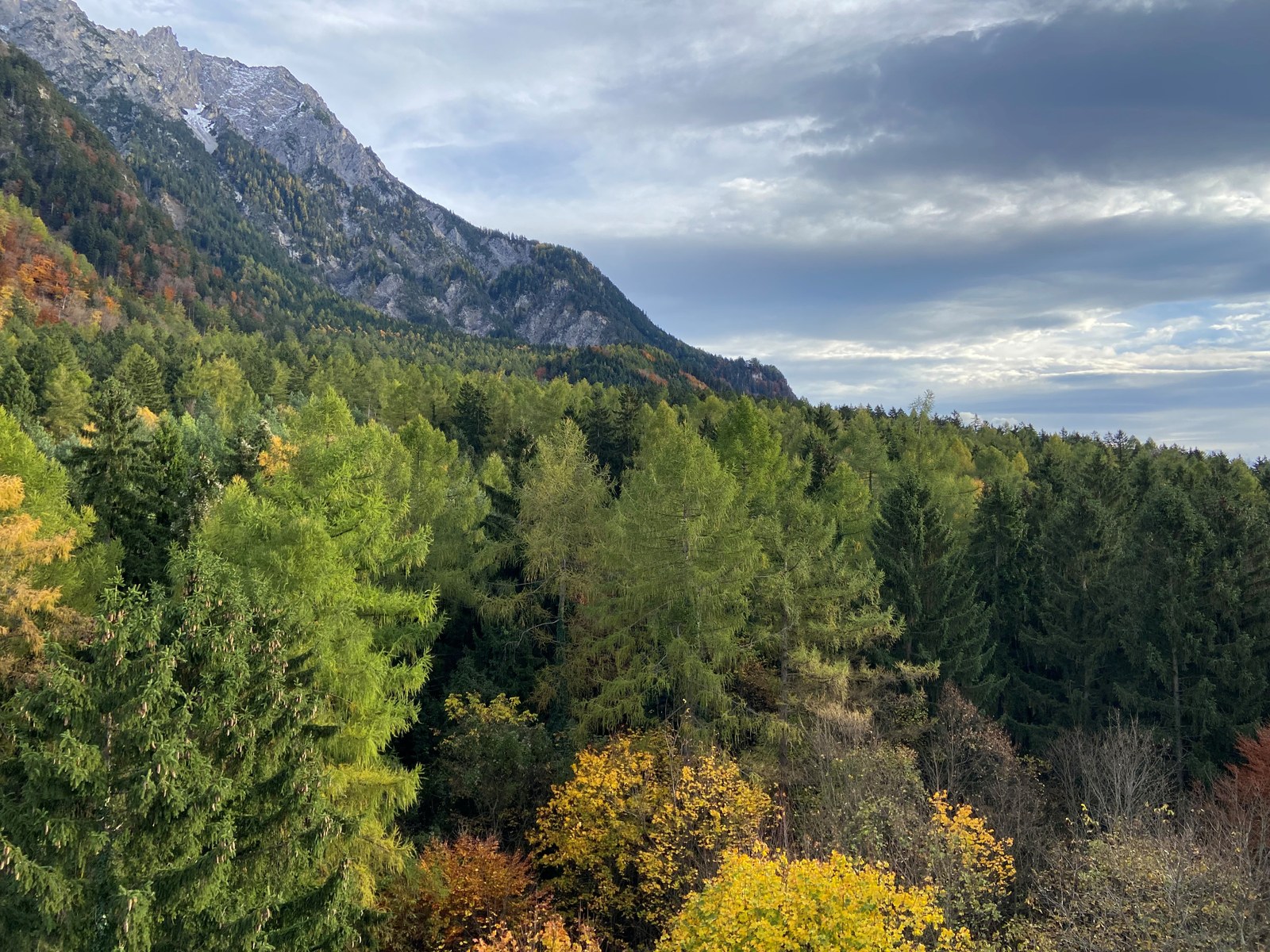
More than 40 percent of the Alpine region is covered by forests. They are not only a defining feature of the landscape, but also a cornerstone of Alpine livelihood, providing building materials, supporting biodiversity, and delivering essential ecosystem services.

Who is CIPRA?
Find out more!
More articles
CIPRA Internationale Alpenschutzkommission | Schaan, LI
Alpine barriers and the way they affect species
ECONNECT researchers analysed how barriers affect selected species: lynx, brown bear, wolf, red deer, black grouse, griffon vulture, bullhead and fish otter. For the terrestrial species they found out that altitude and forest availability are the major factors influencing species distribution.
CIPRA Internationale Alpenschutzkommission | Schaan, LI
The promotion of a common Legal Framework
The Alps consist of eight different countries, each of which has its own legal framework. A specific working group provided an overview of the different legislations in force at various governance levels that potentially affect ecological connectivity.
CIPRA Internationale Alpenschutzkommission | Schaan, LI
Connectivity in pictures
Besides classic communication tools such as newsletters and press releases ECONNECT used innovative tools to raise awareness among the general public and the stakeholders.
CIPRA Internationale Alpenschutzkommission | Schaan, LI
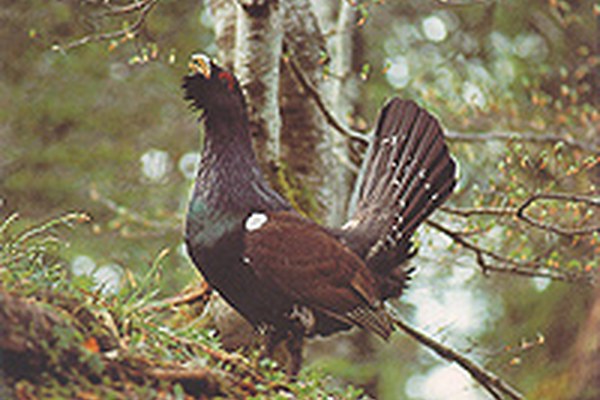
Benefit for wood picker, capercaillie and co.
In ECONNECT's Pilot Regions a number of actions were implemented improving connectivity for selected species and habitats.
Events
|
Local Peaks, Global Learning | online | |
|
Transhumance as Intangible Cultural Heritage of Humanity: A Way Forward? | MUCEM, Marseille/France | |
|
Growing alternative crops for new market opportunities in a changing climate | Vienna/Austria | |
|
Trento Film Festival | Santa Croce street, 67; I-38122 Trento | |
|
ForumAlpinum 2026 | Aosta |
Projects
CIPRA International
Living Labs
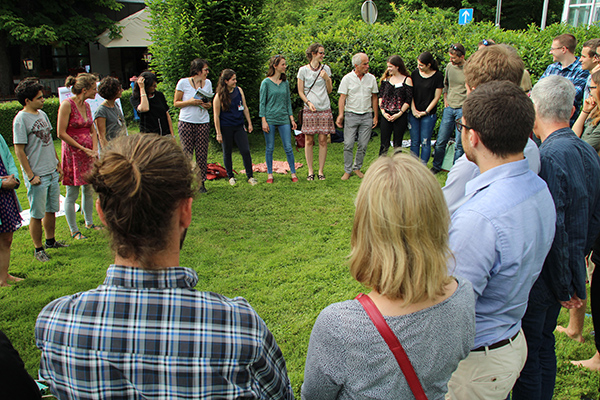
[Project completed] The project “Living Labs” brought together people of different ages from different Alpine countries to work together on process and know-how on selected topics. The project approach was participative and based on the principles of co-creation between young talents aged 18-30 years, environmental NGOs, civil society and politicians. The participants of this intergenerational project are committed to the sustainable development of the Alps at local, national and international level. For a desirable future it is important to set the right course today and to talk about how existing natural resources can be used sustainably.
CIPRA International | CIPRA Deutschland | CIPRA France | CIPRA Italia | CIPRA Slovenija
Sustainable Alpine Tourism
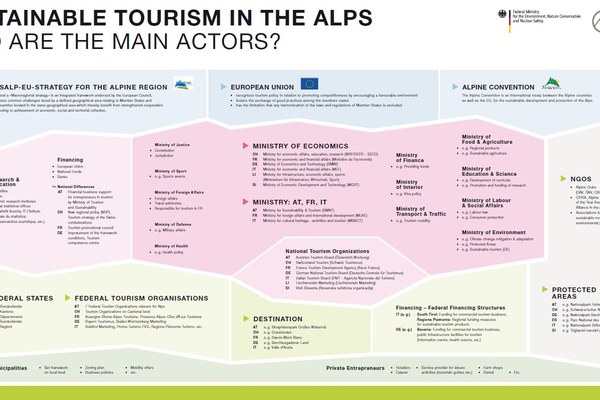
[Project completed] Sustainable tourism in the Alps is the only long-term alternative to conventional mass tourism in order to safeguard the habitat for nature and people. So far, however, there is a lack of jointly defined framework conditions on anational or alpine level for planning, promoting and implementing sustainable tourism.
CIPRA International
Cross-border mobility
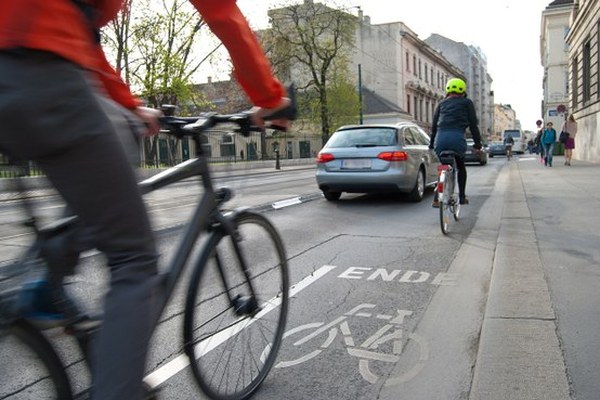
[Project completed] Tens of thousands of commuters move across national borders every day in the Alpine region. Existing traffic routes, however, were mostly built with a purely national perspective and are not geared to cross-border commuter flows. The result is overloaded roads, noise and pollution for local residents.