
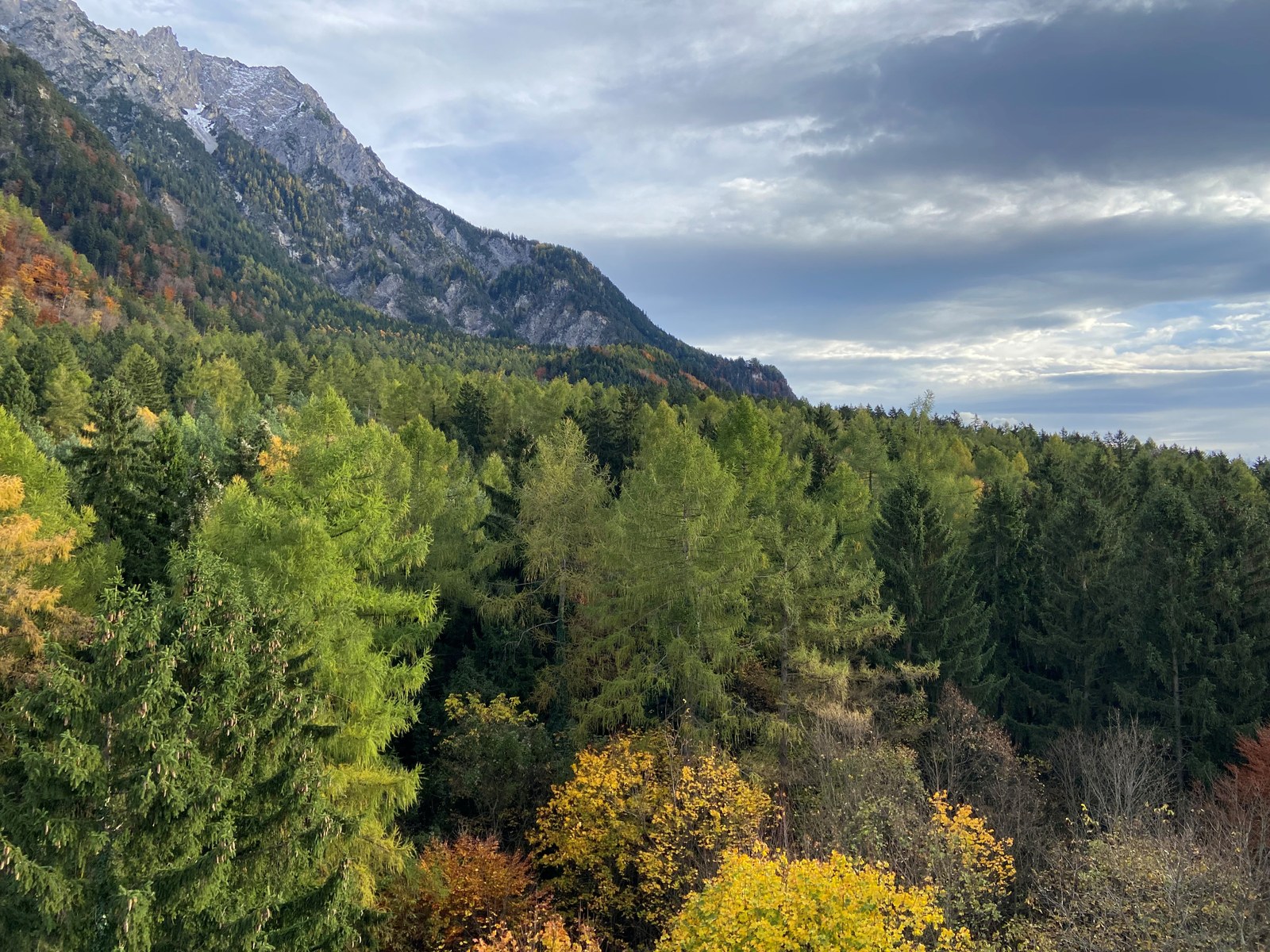
Act now to protect forests: sign the #HandsOffNature petition!
More than 40 percent of the Alpine region is covered by forests. They are not only a defining feature of the landscape, but also a cornerstone of Alpine livelihood, providing building materials, supporting biodiversity, and delivering essential ecosystem services.

Who is CIPRA?
Find out more!
More articles
alpMedia | Schaan, LI
Out for gigantic Brenner wind farm
It was supposed to have been the highest wind farm in the Alps. Now a court has revoked the building permit for the wind turbines on the Sattelberg Mountain - referring also to the Alpine Convention in the grounds for its decision.

CIPRA Internationale Alpenschutzkommission | Schaan, LI
Climate change: cc.alps looked many steps further
With the recently published compact "Water in climate change" the project "cc.alps - climate change: looking one step further" has come to an end. In the last four years, CIPRA International together with a wide range of experts and practitioners has shown what intelligent climate activities should look like.
alpMedia | Schaan, LI
MountEE Project starts: sustainable public construction in Europe
Municipalities have a duty to act as models, especially as regards construction and renovation work. The MountEE Project makes it possible for municipalities in five European mountain regions to optimise their construction and renovation strategies.
alpMedia | Schaan, LI
Wolves: France wants to shoot them while Switzerland celebrates new-borns
In Switzerland they are celebrating the first new generation of wolves. But where should these wolves go? A national park in the south of France has initiated a debate on this topic - with consequences for the Alps.
Events
|
Local Peaks, Global Learning | online | |
|
Transhumance as Intangible Cultural Heritage of Humanity: A Way Forward? | MUCEM, Marseille/France | |
|
Growing alternative crops for new market opportunities in a changing climate | Vienna/Austria | |
|
Trento Film Festival | Santa Croce street, 67; I-38122 Trento | |
|
ForumAlpinum 2026 | Aosta |
Projects
CIPRA International
AlpInnoCT
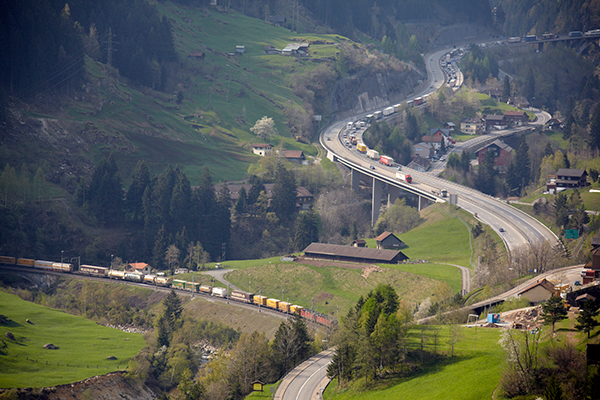
[Project completed] The Alps are a sensitive ecosystem that has to be protected from pollutant emissions and climate change. The alpine road freight transport has enormous ecological and sociocultural effects on the alpine habitat. Most actors such as forwarders, port operators, administrations and consumers, are aware of these negative effects and they are working on their own technical or regulatory solutions. However, a constructive and participatory dialogue between all involved actors, in order to promote sustainable freight transport within the Alps, has not been established so far.
CIPRA International
AlpES
[Project completed] Ecosystems and their services go beyond national borders and need a transnational approach for their dynamic protection, sustainable use, management and risk prevention. As a basis for joint action, public authorities, policy makers, NGOs, researchers and economic actors – the AlpES target groups – need a common understanding of ecosystem services, comparable information on their status and support in using appropriate tools for integrating them in their fields of work.
CIPRA International
SPARE – Alpine rivers as society’s lifelines
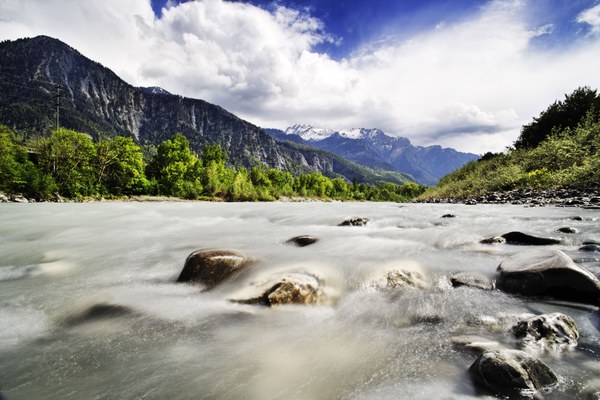
[Project completed] What is the state of the Alpine rivers? How can we bring those responsible and other interested parties to committing themselves to holistic river management? The SPARE project strives to answer these and other questions.