
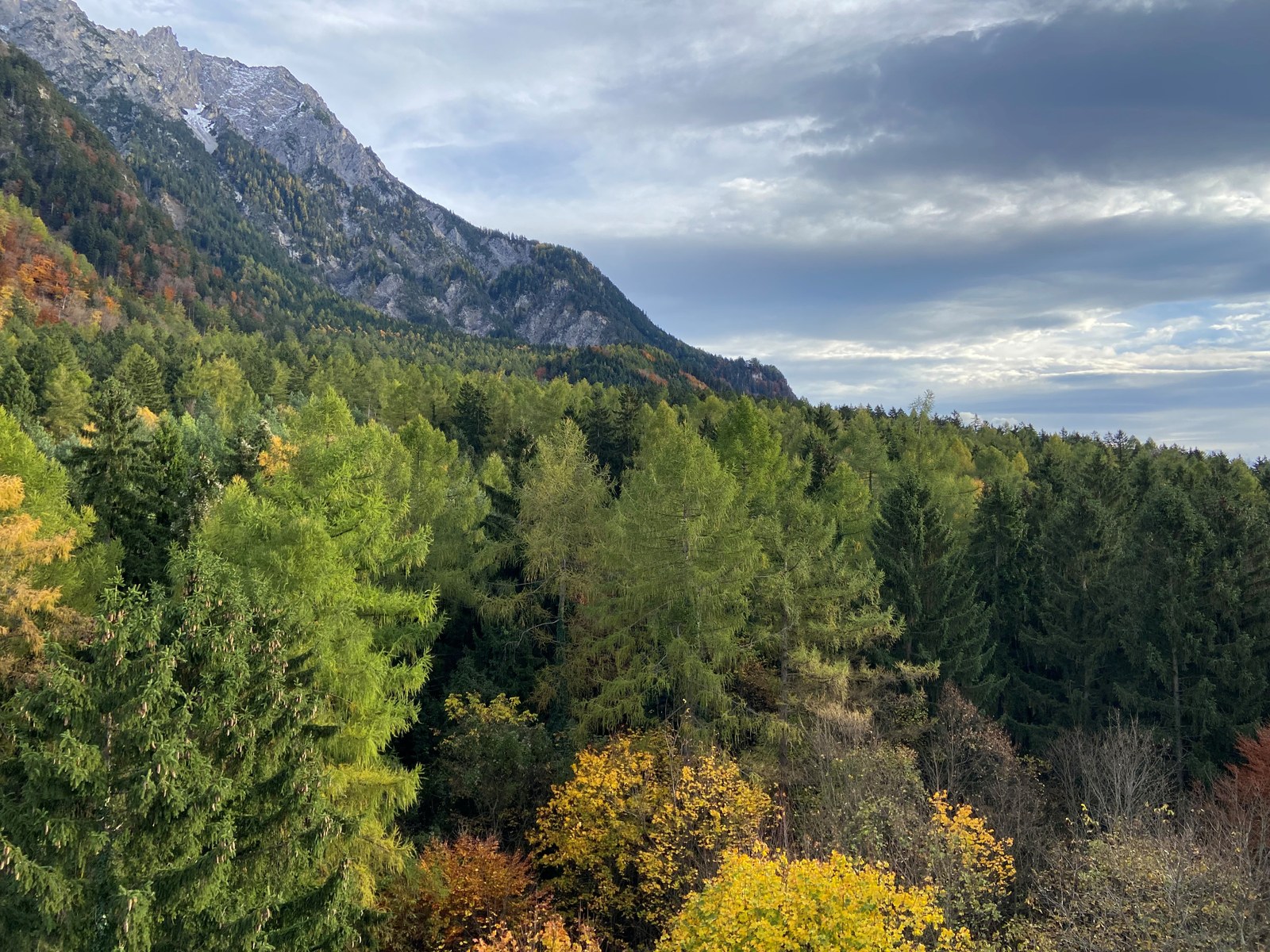
Act now to protect forests: sign the #HandsOffNature petition!
More than 40 percent of the Alpine region is covered by forests. They are not only a defining feature of the landscape, but also a cornerstone of Alpine livelihood, providing building materials, supporting biodiversity, and delivering essential ecosystem services.

Who is CIPRA?
Find out more!
More articles
CIPRA Internationale Alpenschutzkommission | Schaan, LI
Communicate and find common ground
Working across borders for the environment – Wolfgang Burhenne, founder member of CIPRA, and Andrea Matt, Executive Director of CIPRA Liechtenstein, talk about their activities as networkers.
CIPRA Internationale Alpenschutzkommission | Schaan, LI
Young Alps
Everyone’s talking about the future. But usually without involving those to whom it actually belongs. CIPRA supports young people in articulating their hopes and demands.
CIPRA Internationale Alpenschutzkommission | Schaan, LI
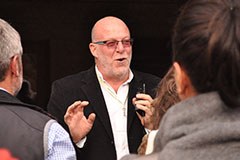
“The Climalp excursion was a breakthrough”
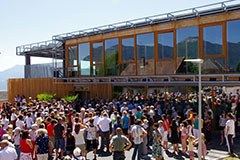
The local authority in Saint-Jean-d’Arvey decided to use local timber to construct an energy-efficient multipurpose building. In an interview with the Mayor Jean-Claude Monin, we learn how the idea was inspired by a CIPRA visit to Vorarlberg.
CIPRA Internationale Alpenschutzkommission | Schaan, LI
“Fact-finding trips like Climalp are some of my favourite assignments”
CIPRA communicates in four languages of the Alps and also in English. The resulting translation load is handled by several translators and interpreters. Reinhold Ferrari is one of them.
Events
|
Webinar: The journey of water | online | |
|
XIV European Mountain Convention | Sallanches / France | |
|
Alps in Motion: new Alpine-wide Day of Action | alpswide | |
|
Symposium 2: Vernacular Buildings in the Anthropocene | Austrian Academy of Sciences, Vienna (Austria) |
Projects
CIPRA International | CIPRA Deutschland | CIPRA Italia | CIPRA France
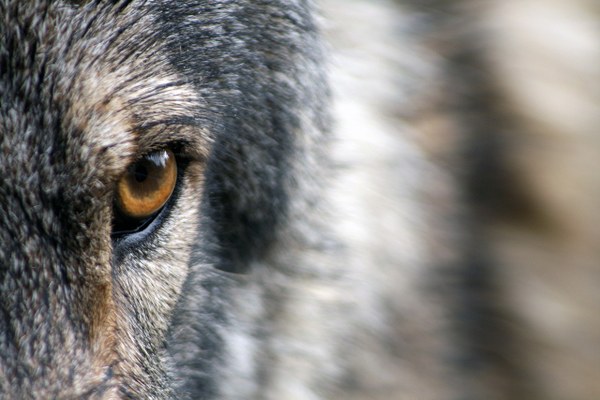
Knowledge transfer on the co-adaptation of humans and wolves in the Alpine region
[Project completed] The return of large carnivores is increasingly causing the fronts to harden between different groups of stakeholders. Among the large carnivores returning to the Alps, the wolf is the most widespread and therefore the most widely debated animal. Wolves are synanthropic animals and cross boundaries - physical as well as intangible ones – regularly. Thus, they have been accompanying and influencing social and cultural processes since time immemorial. In this project, CIPRA has taken on the task to collect, analyse, make available and disseminate knowledge about the co-adaptation of humans and wolves throughout the Alps.