
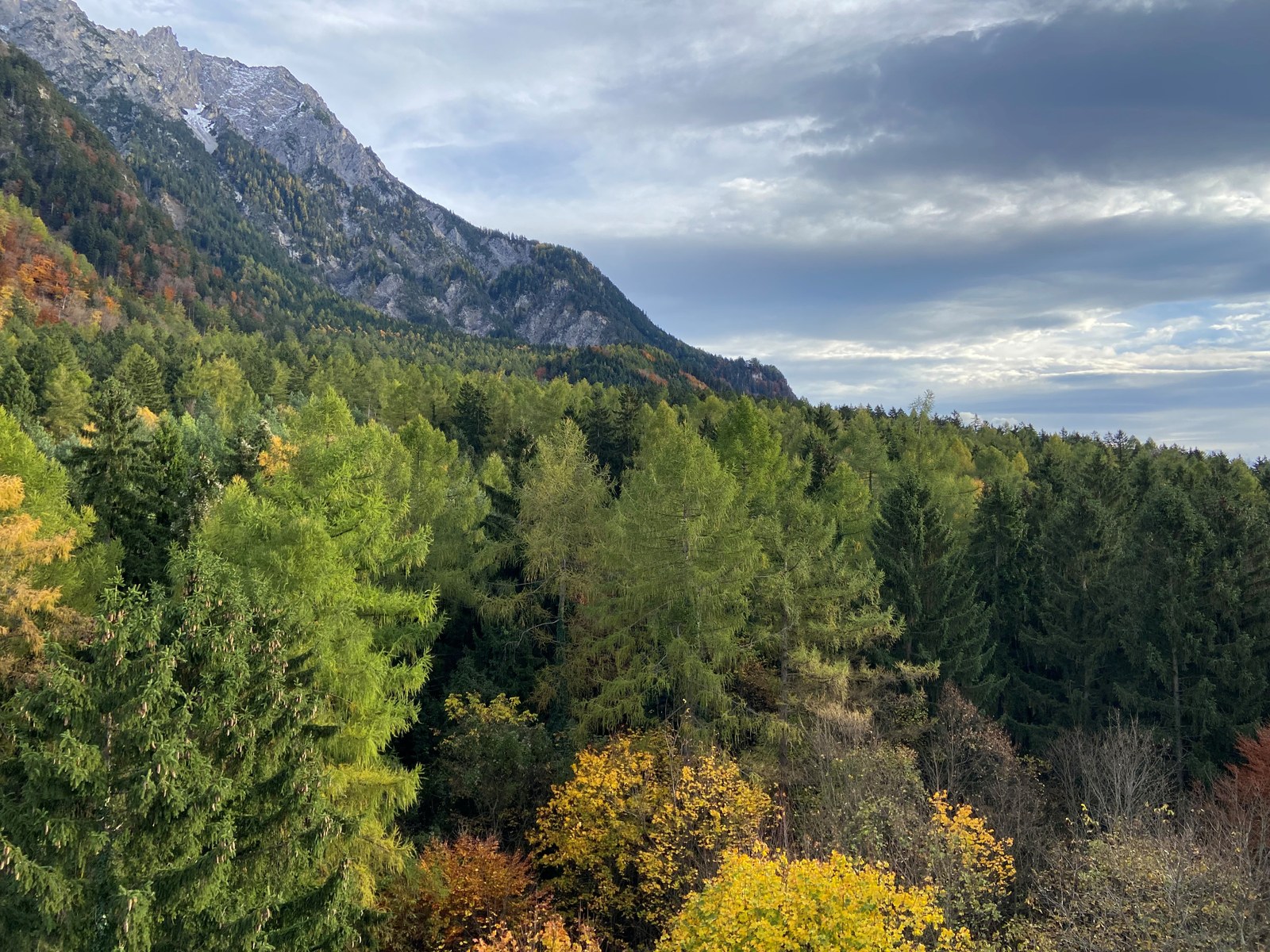
Act now to protect forests: sign the #HandsOffNature petition!
More than 40 percent of the Alpine region is covered by forests. They are not only a defining feature of the landscape, but also a cornerstone of Alpine livelihood, providing building materials, supporting biodiversity, and delivering essential ecosystem services.

Who is CIPRA?
Find out more!
More articles
alpMedia | Schaan, LI
Oh...!
… the new silver bullet aimed at reviving the ailing winter tourism sector comes in the form of so-called "Downhill Bubbles".

alpMedia | Schaan, LI
NGOs demand participation in the Alpine macro-region
Observer organisations of the Alpine Convention are bewildered at their exclusion from the Alpine macro-region. They are demanding their inclusion in the ongoing process for a macro-regional Alpine strategy.
alpMedia | Schaan, LI
"Landscape is not renewable"
Must the Alps really be squeezed to the last drop so they can contribute yet more to the energy transition? The CIPRA annual conference on "The Alps as a Water Trough" saw more passionate debate on this topic than any other.

alpMedia | Schaan, LI
Who will shape the Alpine macro-region?
With its "Alpen.Leben" (Living in the Alps) project, CIPRA Austria is sounding out the role of the Alpine Convention for a macro-regional strategy and is asking who should actually have a say in shaping this European Union strategy for the Alps.
Events
|
Webinar: The journey of water | online | |
|
XIV European Mountain Convention | Sallanches / France | |
|
Alps in Motion: new Alpine-wide Day of Action | alpswide | |
|
Symposium 2: Vernacular Buildings in the Anthropocene | Austrian Academy of Sciences, Vienna (Austria) |
Projects
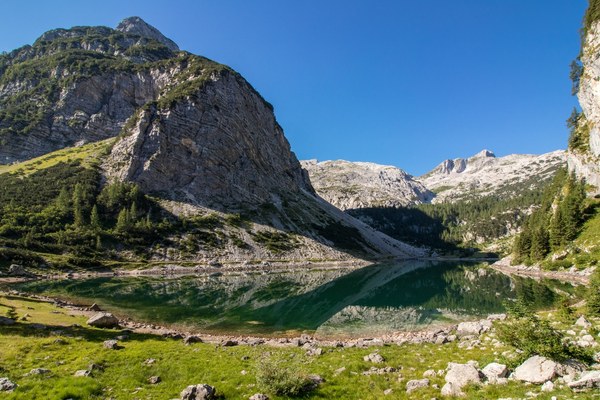
Responsible management of mountain water resources
Mountain regions constitute a unique yet fragile natural environment that provides habitat for numerous rare and endemic species. Their biodiversity is rich, yet highly vulnerable. These areas host a variety of aquatic ecosystems—rivers, streams, lakes, wetlands and peat bogs — which have very limited self-purification capacity and are extremely sensitive to change. Their condition is directly affected by climate change and human activities.
CIPRA International
Alpine Changemaker Network
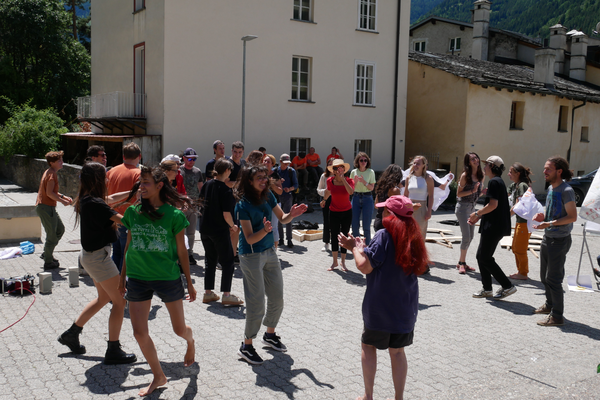
How can we advance eco-social transformation in the Alpine region? The Alpine Changemaker Network project combines Alpine traditions, as reflected in contemporary art, culture and design, with current approaches to overcoming global crises.
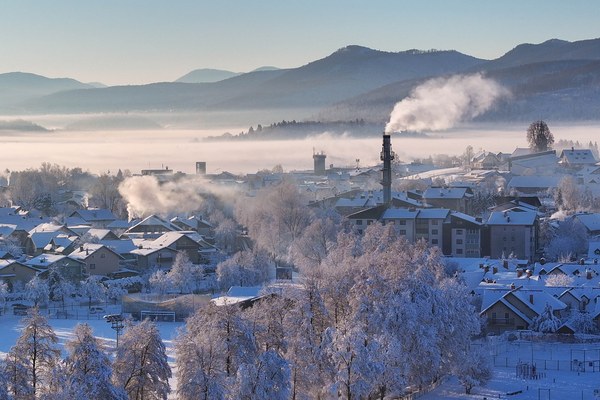
Heating of buildings and air quality 2.0
The project represents a continuation of efforts to reduce air pollution resulting from improper combustion in individual furnaces. Particular attention is paid to the use of outdated wood biomass combustion devices, which contribute significantly to emissions of particles that are harmful to health.