
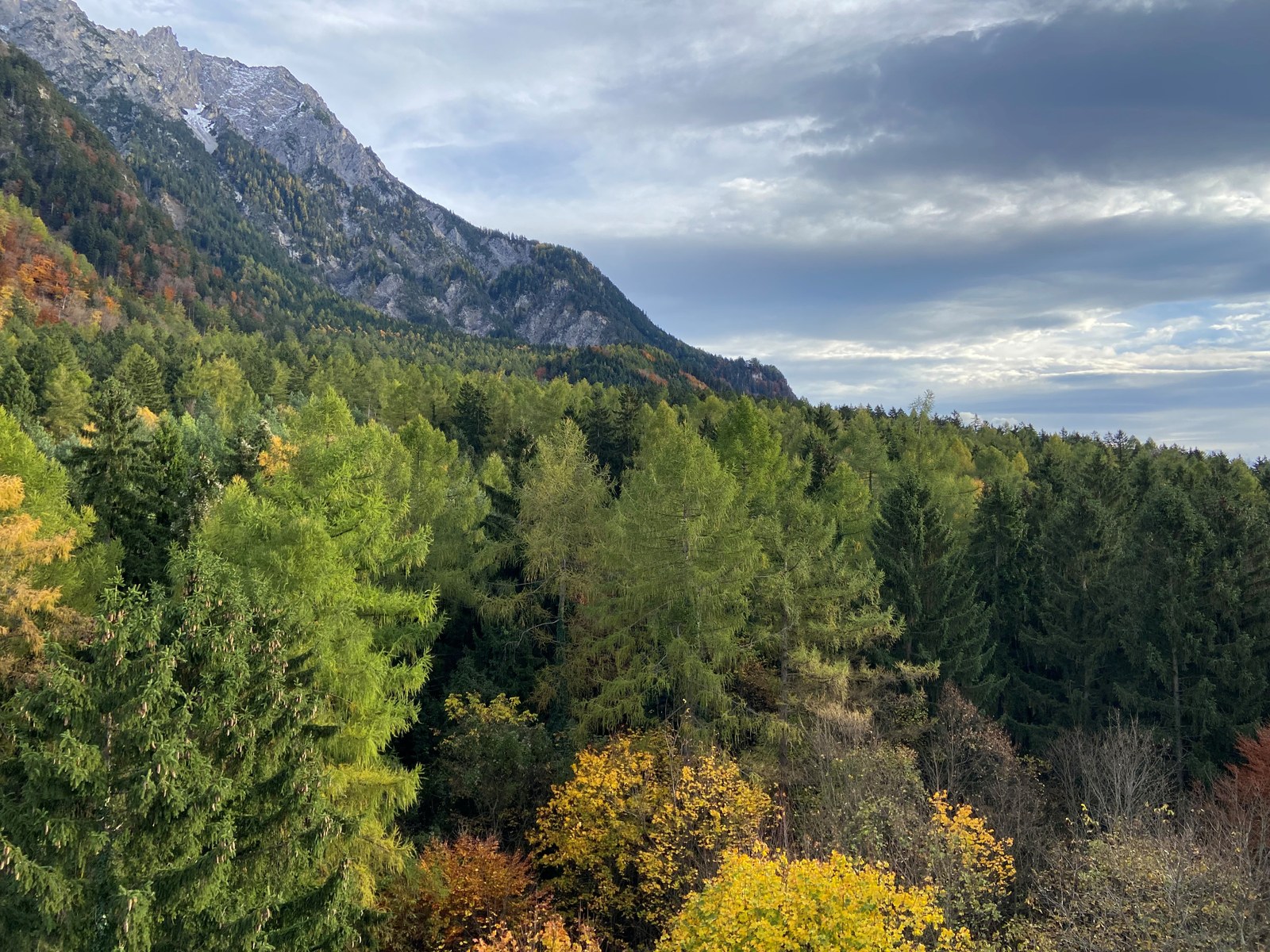
Act now to protect forests: sign the #HandsOffNature petition!
More than 40 percent of the Alpine region is covered by forests. They are not only a defining feature of the landscape, but also a cornerstone of Alpine livelihood, providing building materials, supporting biodiversity, and delivering essential ecosystem services.

Who is CIPRA?
Find out more!
More articles
“A picture speaks a thousand words” - SPARE Project communicating through multimedia
With a brand new collection of infographics and photo books the SPARE Project partners aim at visually communicating the current river management processes in each of the project’s five Pilot Case Study sites.
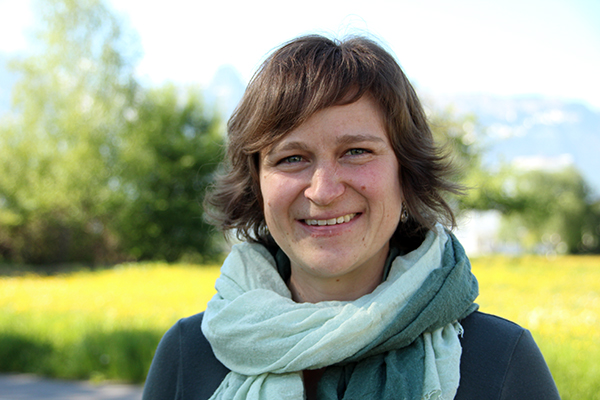
Point of view: Biodiversity Conservation: less talk, more action
May 22nd marks the International Day for Biological Diversity, an initiative brought into life by the Convention on Biological Diversity in 2000. Martha Dunbar, Project Manager for Biodiversity and Landscape, fears that now in 2017 we are still treading water.
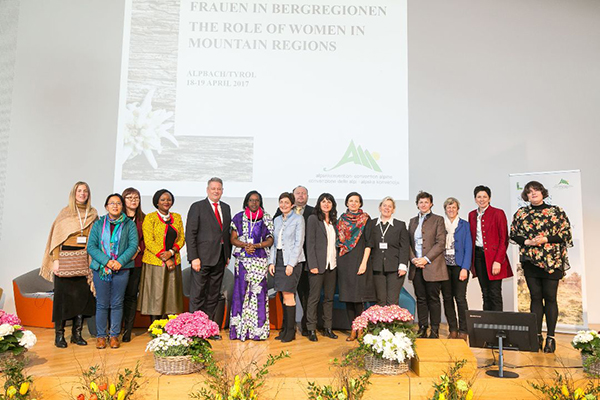
Alpine Convention puts equality on the agenda
With a women’s conference and a declaration, the Austrian presidency has placed a new topic on the agenda of the Alpine Convention – and raised expectations. But where do things go from here?
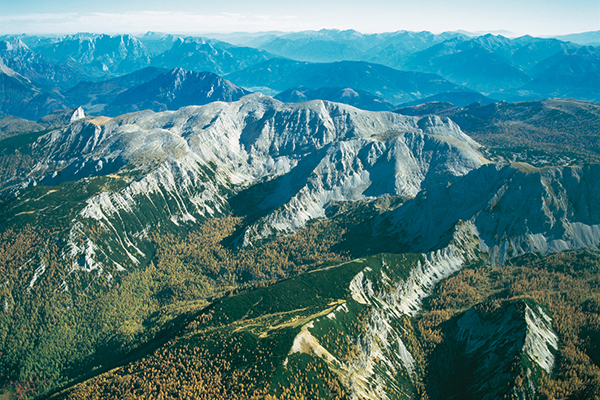
No ski-lift connection permitted in nature reserve
The Federal State of Upper Austria gave its legal opinion on the expansion of the “Höss-Wurzeralm” ski area in April. The matter is now on file.
Events
|
Webinar: The journey of water | online | |
|
XIV European Mountain Convention | Sallanches / France | |
|
Alps in Motion: new Alpine-wide Day of Action | alpswide | |
|
Symposium 2: Vernacular Buildings in the Anthropocene | Austrian Academy of Sciences, Vienna (Austria) |
Projects
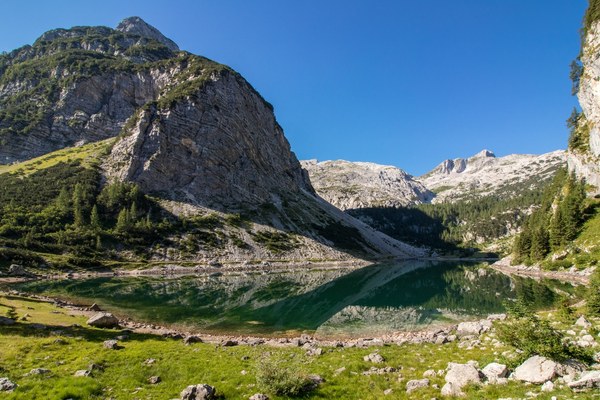
Responsible management of mountain water resources
Mountain regions constitute a unique yet fragile natural environment that provides habitat for numerous rare and endemic species. Their biodiversity is rich, yet highly vulnerable. These areas host a variety of aquatic ecosystems—rivers, streams, lakes, wetlands and peat bogs — which have very limited self-purification capacity and are extremely sensitive to change. Their condition is directly affected by climate change and human activities.
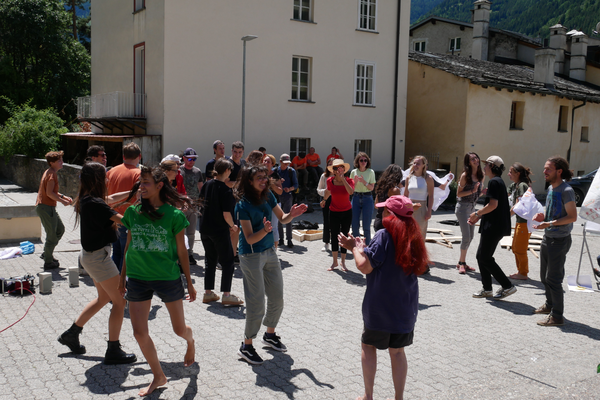
CIPRA International
Alpine Changemaker Network
How can we advance eco-social transformation in the Alpine region? The Alpine Changemaker Network project combines Alpine traditions, as reflected in contemporary art, culture and design, with current approaches to overcoming global crises.
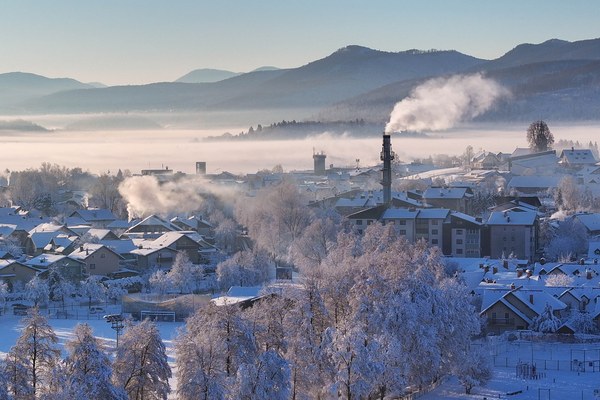
Heating of buildings and air quality 2.0
The project represents a continuation of efforts to reduce air pollution resulting from improper combustion in individual furnaces. Particular attention is paid to the use of outdated wood biomass combustion devices, which contribute significantly to emissions of particles that are harmful to health.