
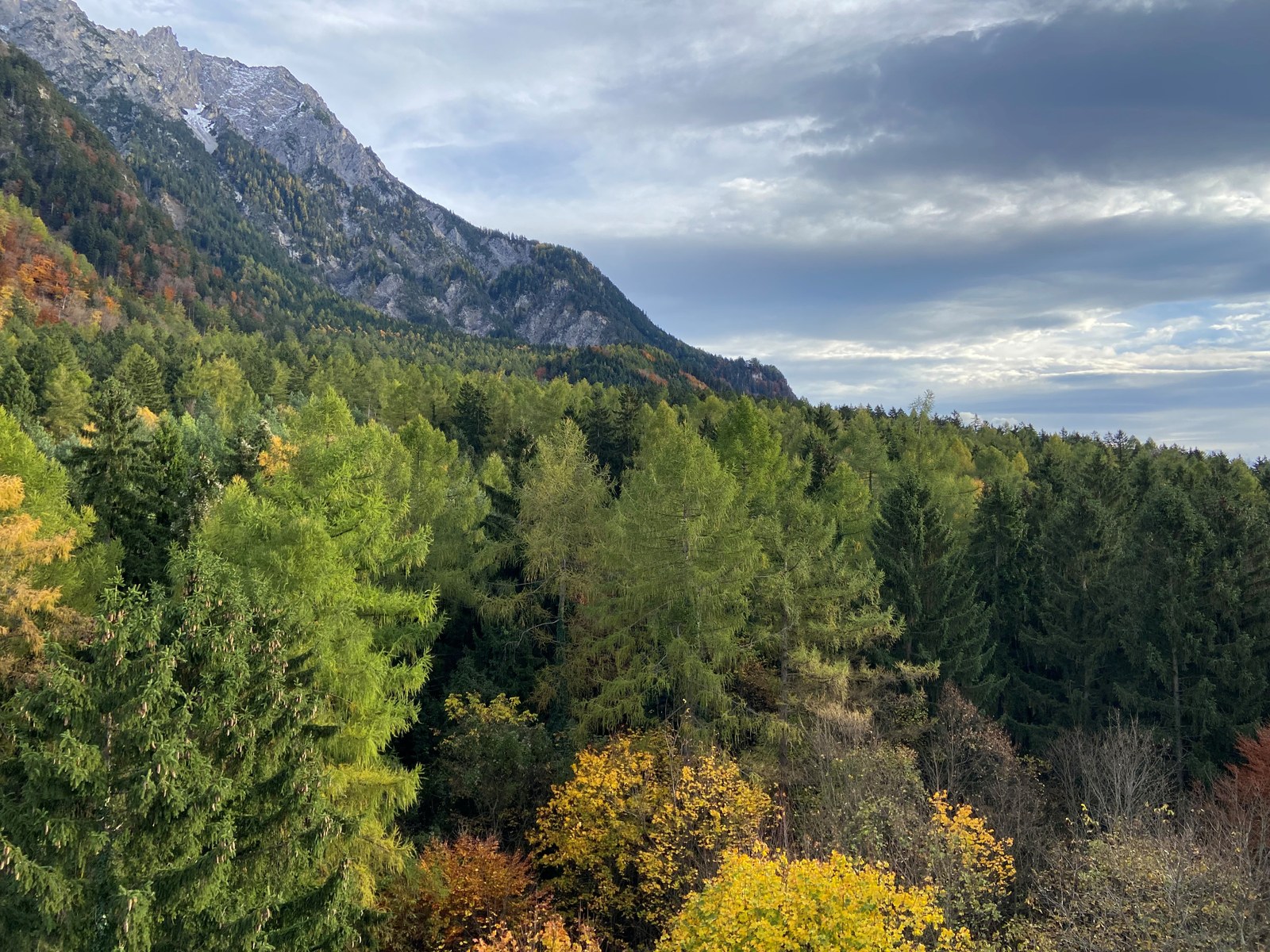
Act now to protect forests: sign the #HandsOffNature petition!
More than 40 percent of the Alpine region is covered by forests. They are not only a defining feature of the landscape, but also a cornerstone of Alpine livelihood, providing building materials, supporting biodiversity, and delivering essential ecosystem services.

Who is CIPRA?
Find out more!
More articles

Strange but true...
Bogs – a way out of the climate swamp
One hectare of bog can store as much CO2 as a car produces in a year. The Alps suffer from some of the world’s heaviest traffic – yet fewer and fewer intact bogs remain.
How intact ecosystems improve our quality of life
Nature provides us with enormous benefits. The AlpES project draws on the concept of ecosystem services in order to record these in the Alpine regions and increase their appreciation.
Solutions for borderless commuter mobility
Traffic jams, convoy controls, fine dust pollution and the Brenner base tunnel: while the problems of transit and goods traffic accumulate on political agendas, commuter cars remain stuck in queues.
Events
|
Symposium 2: Vernacular Buildings in the Anthropocene | Austrian Academy of Sciences, Vienna (Austria) |
Projects
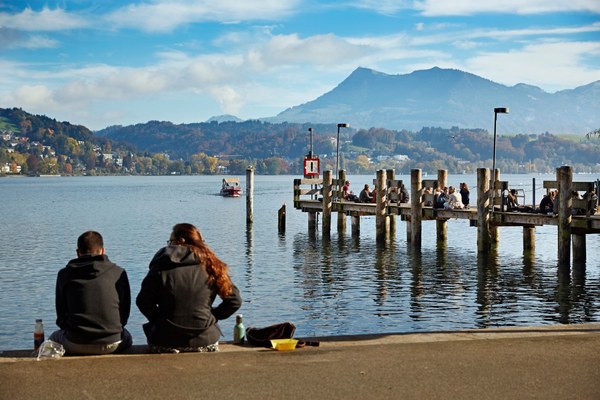
H2Opportunities
Water is one of our most precious resources and is under serious threat from the climate crisis. The project “H2Opportunities – Opening dialogues on a sustainable Alpine water future” shares knowledge and encourages discussion about fair water management.
CIPRA International | CIPRA Italia | CIPRA Slovenija
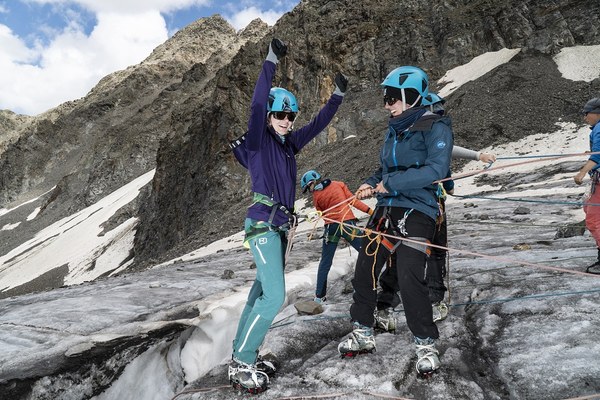
Young Glacier Voices
The glaciers in the Alps are melting at an ever-increasing rate. The Erasmus+ project “Young Glacier Voices” is making the consequences of the climate crisis tangible and encouraging young people to use their voices to call for more climate protection.
CIPRA International
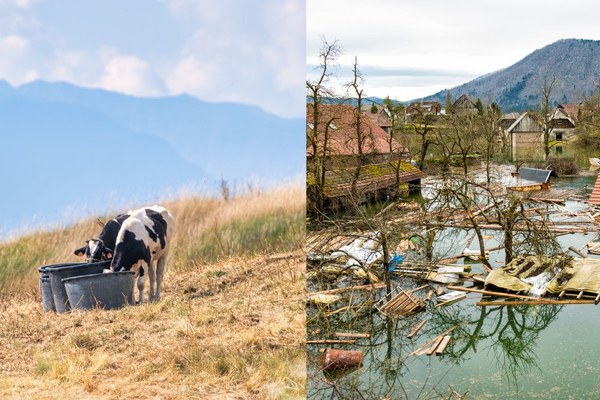
MultiBios
[Project completed] In addition to well-known natural hazards such as mudslides and floods, heatwaves and droughts are increasingly affecting the Alpine region. The international project MultiBios is working together with biosphere parks to explore how affected communities and regions can better prepare for multiple climate risks.