
Act now to protect forests: sign the #HandsOffNature petition!
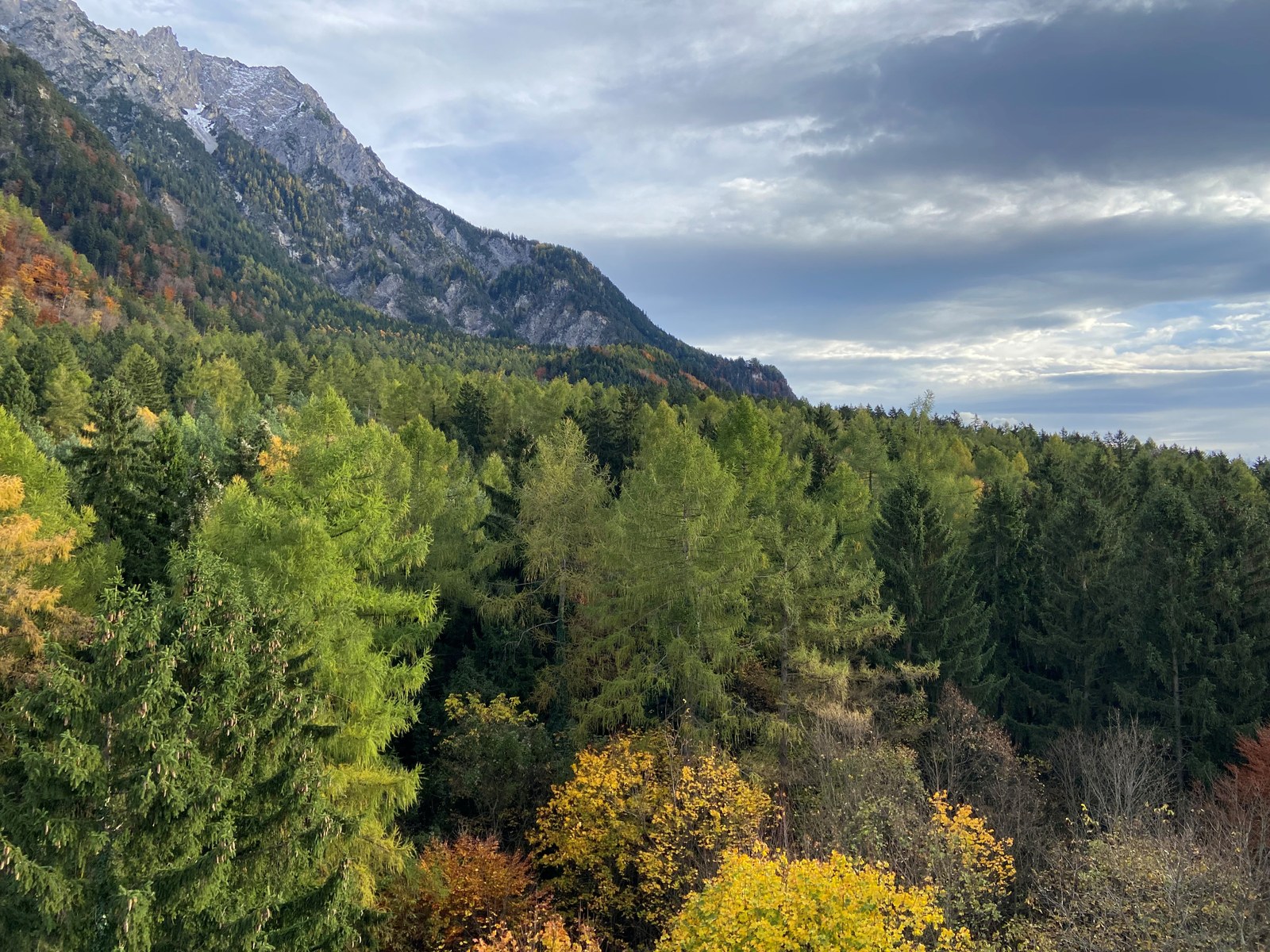
More than 40 percent of the Alpine region is covered by forests. They are not only a defining feature of the landscape, but also a cornerstone of Alpine livelihood, providing building materials, supporting biodiversity, and delivering essential ecosystem services.

Who is CIPRA?
Find out more!
More articles
Michael Gams, CIPRA International
Furthering the cross-border restoration of nature
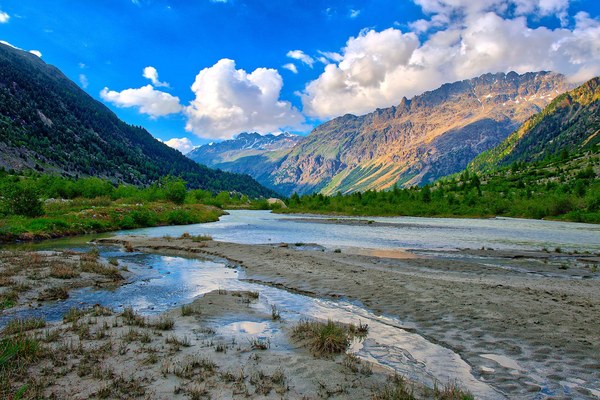
A workshop organised by the Alpine Convention has initiated concrete steps for cross-border nature restoration. The aim is to define common priorities across national borders.
Giovanni Volpi, CIPRA Youth Council
Rethinking our mountains
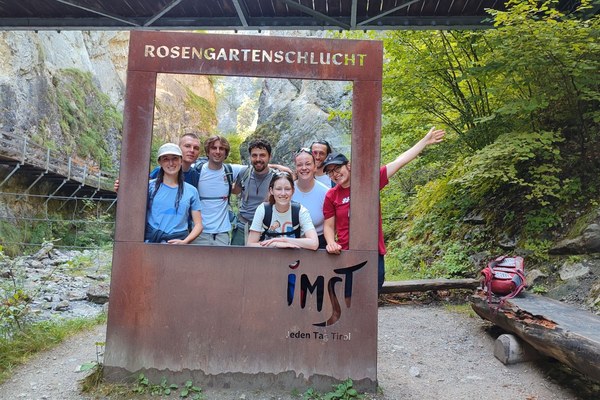
Images from a youth retreat in the Alps: A summer weekend in an alpine hostel, ideas, thoughts, and plans arise around the glowing ashes of a campfire. Members of the CIPRA Youth Council meet in person in Imst-Pitztal to envision a better future for their beloved mountains.
Sofie Terzer, CIPRA International and Francesco Pastorelli, CIPRA Italy
A journey to the heart of the glaciers
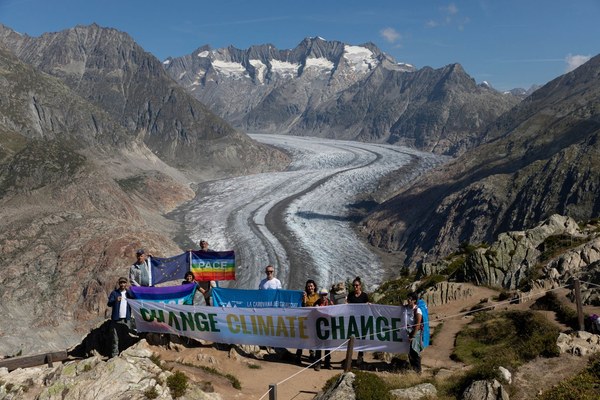
The Glacier Caravan 2025 visited eight icy giants in Italy, Switzerland and Germany, calling for concrete action on climate change. The international campaign is backed by Legambiente, CIPRA Italy and the Italian Glaciological Committee.
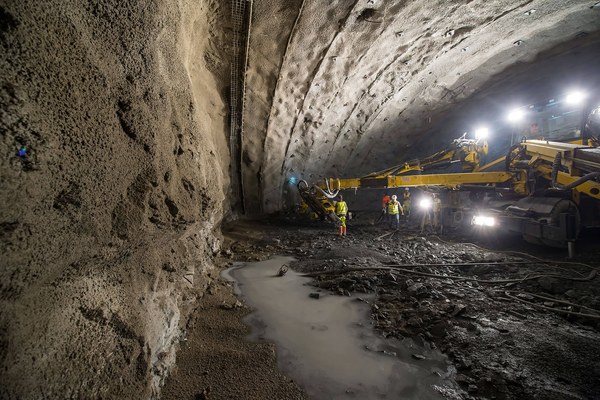
Michael Gams, CIPRA International
Going underground? One tunnel breakthrough, numerous question marks
On 18 September 2025, politicians from Austria and Italy celebrated the breakthrough of the Brenner Base Tunnel between Austria and Italy. They dream of “smooth traffic” through and over the Alps – but many questions remain unanswered.
Events
|
Symposium 2: Vernacular Buildings in the Anthropocene | Austrian Academy of Sciences, Vienna (Austria) |
Projects
CIPRA International
YPAC
CIPRA International
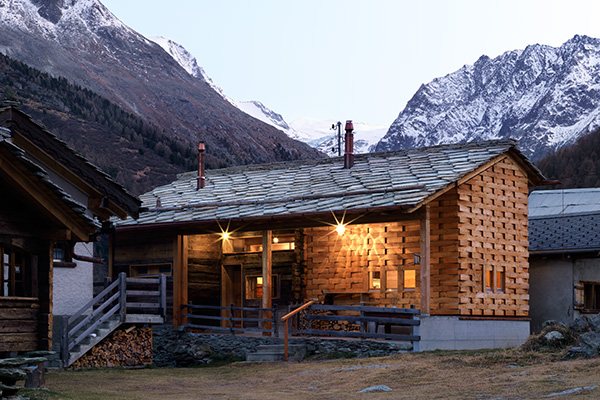
Constructive Alps
CIPRA
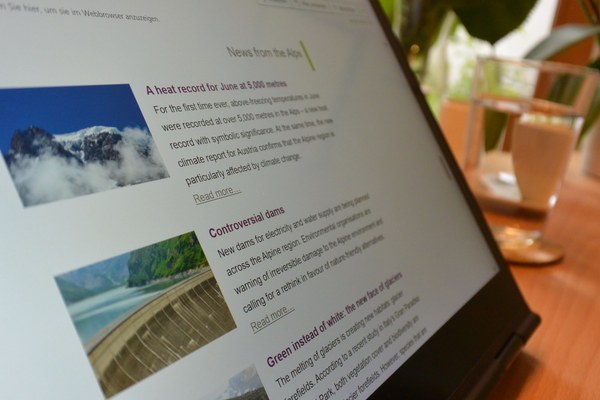
alpMedia
The alpMedia newsletter offers boundless information from and for the Alps. CIPRA launched this service in the International Year of the Mountain in 2002. Today the alpMedia Newsletter is published at irregular intervals in the four main languages of the Alps, i.e. French, German, Italian and Slovene. Important messages are merged in an English edition several times a year.