
Articles
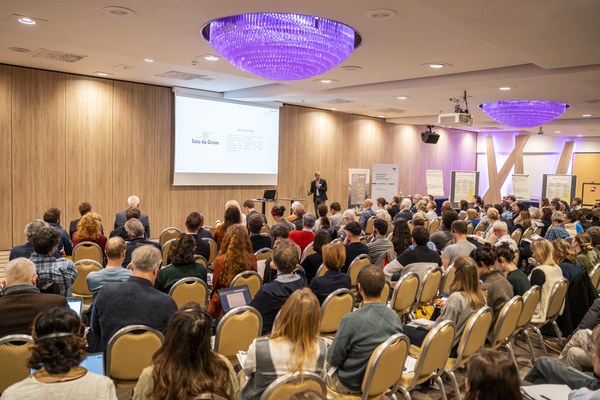
Dialogue on Alpine Spatial Planning: Proceedings of the CIPRA Annual Conference 2025
How can Alpine Spatial Planning mitigate conflicts between the energy transition and nature restoration? This question was addressed at the CIPRA Annual Conference 2025 in Salzburg, which brought together more than 160 participants. The proceedings show key insights and recommended actions – not in a concluding way, but as part of an ongoing learning process and as an impulse for further debates. They underline the shared understanding that the energy transition in the Alpine region must be approached and implemented in a cross-sectoral, interdisciplinary, and transboundary manner.
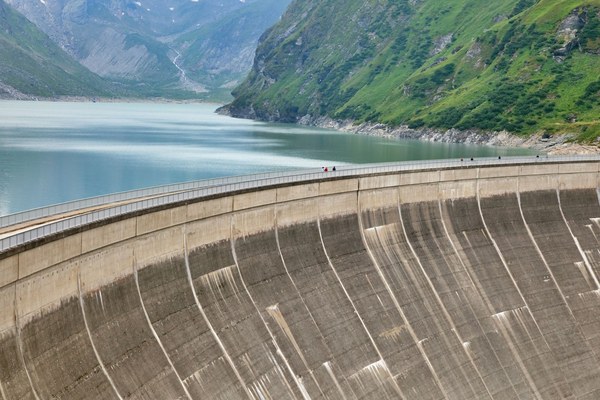
Controversial dams
New dams for electricity and water supply are being planned across the Alpine region. Environmental organisations are warning of irreversible damage to the Alpine environment and calling for a rethink in favour of nature-friendly alternatives.
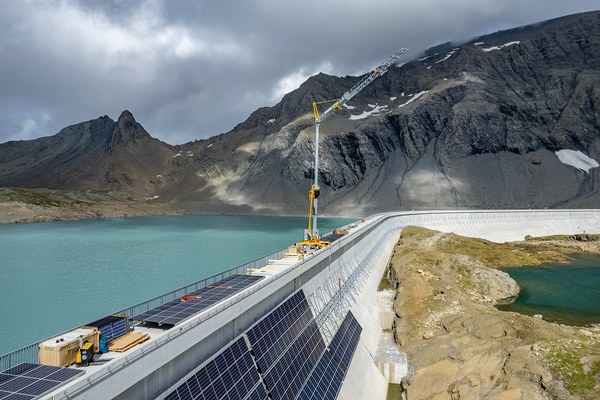
Unsuitable landscapes for energy production
The results of a recent survey from Switzerland are clear: no to energy production in almost unspoilt mountain areas. Intensively used areas around ski resorts or existing power plants would be better suited to the expansion of renewable energy.
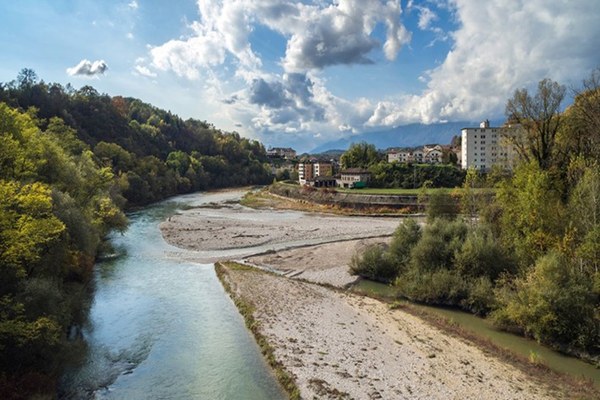
Climate protection: from plan to action
The Alps as a climate-neutral, climate-resistant region by 2050: this is the objective of the newly launched “Climate Action Plan 2.0” of the Alpine Convention. Concrete steps will now follow in such areas as mountain farming, spatial planning and biodiversity.
CO2 legislation: more courage needed
While the new CO2 law in Switzerland has for the time being failed, a climate protection alliance is forming in Bavaria; Austria is discussing a climate protection law; and in France the Climate Council is taking courageous decisions.
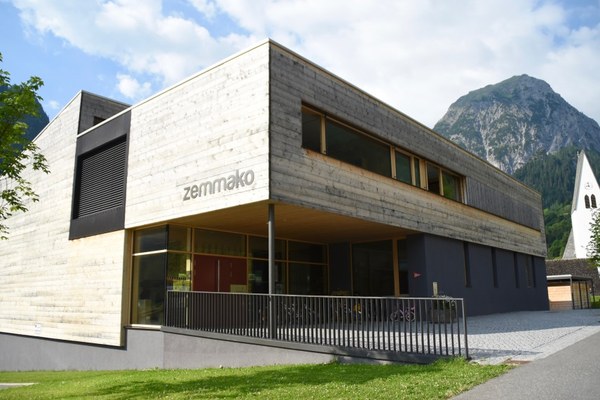
Awards for attractive, well-built constructions
At the end of October 2017 in Bern, Switzerland, Constructive Alps crowned the winning projects, demonstrating that Alpine architecture can not only be pleasing on the eye, but sustainable too.
Turning risks into opportunities
On this October afternoon in the Swiss region of Surselva, the hotel in Vals is a hive of activity as a group of people discuss and gesticulate in German and Romansh. They’re engaged in an exchange of views on the opportunities, risks, and future of the valley in the wake of climate change.
Point of view: Switzerland needs help with its climate policy
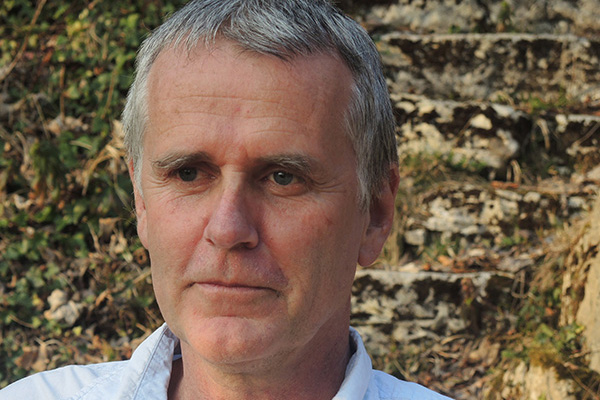
Switzerland was formerly a leading light in environmental policy. Today, sadly, it does not even have a plan for implementing the goals of the Paris climate agreement, says Hans Weber, executive director of CIPRA Switzerland.
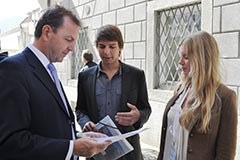
CIPRA's point of view: Alpine Convention must produce results
The renewal of the Alps needs youth. This was recognised by AlpWeek. The parties to the Alpine Convention are now being challenged to follow up their words with deeds - including as regards the energy question.
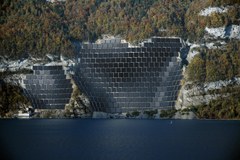
Solar installations in Switzerland: innovative yet infuriating
Solar modules on ski lifts and mountain-slopes: the legacy of Fukushima and rising electricity prices mean that creative solutions are needed for power production. We offer a summary of Swiss megaprojects and world premieres.
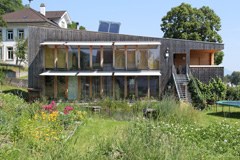
climalp video: living in a plus-energy house
CIPRA's climalp project demonstrates that energy-efficient houses built using regionally sourced timber are highly beneficial when it comes to living comfort, the climate, and the regional economy. A recent video featuring the single-family home of the Götz family built in Switzerland's Rhine valley in 2004 illustrates what sustainable, climate-friendly building can look like in practice.
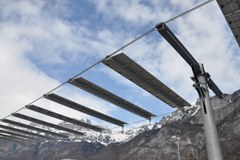
Uphill with solar energy
The village of Tenna in the Safien valley of the Swiss canton Graubünden is working hard on a world premiere. The Skilift Tenna cooperative has decided to replace an ancient ski lift by the first solar-powered ski lift ever.
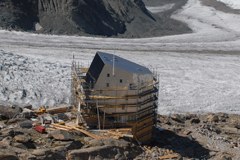
Beacons of energy-efficient construction in the mountains
The summer of 2009 saw the opening of the first mountain chalet to be built to the Minergy-P standard. Located in the ski area of Zermatt/CH at an altitude of 3,883 metres, the Matterhorn Glacier Paradise is a model of ecological construction at the foot of the Klein Matterhorn.
Rail tunnel ground water to heat a tropical greenhouse
In the future, the ground water that drains from the Lötschberg Base Tunnel at a temperature of 20°C will be piped into a tropical greenhouse which is to be built at the northern portal in Frutigen/CH to produce fish and tropical fruit, and also to heat the administration building.
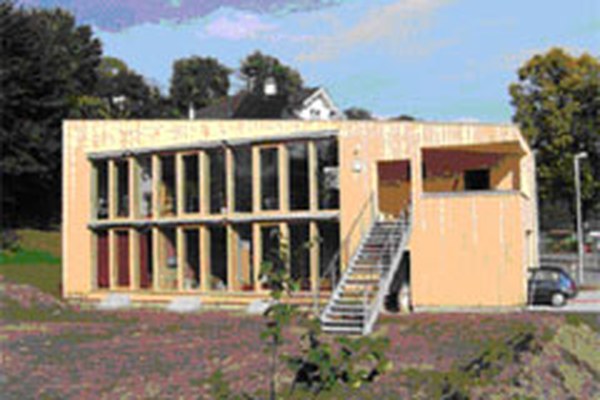
Davos on the road to Kyoto
Davos, Switzerland's highest town, is working towards a more climate-friendly local policy.
Tests underway on the world's highest solar power station
The Swiss utility BKW FMB Energie AG is currently conducting trials scheduled to last until this summer on a high-alpine solar power station.
Decrease in water runoff from the Swiss Alps
A new study analyses the impact of a potential climate change on hydrological discharge regimes from the Swiss Alpine region for the period between 2020 and 2050. Eleven catchment areas with different glaciation rates and altitude ranges were examined.
Artificial high water affects ecology of running water
A new WWF study shows that the artificial high-water (surges) and low-water (sinks) caused daily by hydraulic power plants are having disastrous repercussions on the ecosystem of running water.
The Emmen valley - The vision of a valley heated without oil
Timber and solar energy rather than oil, gas and electricity are to be the heating resources of the future in Switzer-land's Emmen valley. Although the Emmen valley region is densely forested, each year it still buys in some CHF 30 m's worth of oil, gas and electricity - while more than half the wood accruing each year simply rots away in the region's forests. It's a situation the "Oil of Emmental" project hopes to remedy.
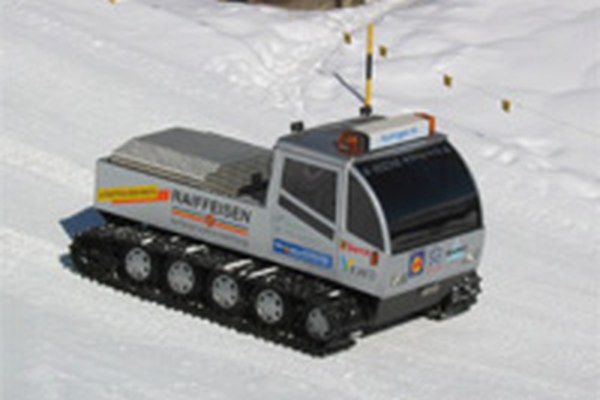
Hydrogen-powered piste vehicles in the Alps
The Swiss association Swiss Alps 3000 has launched a new campaign aimed at zero-emissions mobility in the Alps. As part of the campaign it presented the prototype of a hydrogen-powered piste vehicle. The first vehicle of this type was tested during winter 2003/2004.
Ultra-low energy building gains altitude
The highest ultra-low energy business premises of the Alps were officially opened in Punt Muragl (En-gadine/Switzerland) at the end of August. Gasser Building Materials' 23,000 m3 warehouse with integrated DIY store is situated at an altitude of 1,728 m above sea level and is heated almost exclusively by solar energy.
Biogas - Car fuel of the future?
The SwissFarmerPower Working Group recently presented a study entitled "Agricultural Biogas, the Fuel of Tomorrow" which shows that animal husbandry in the Swiss mountain canton of Lucerne produces enough biogas from faeces to supply 32,000 cars a year with fuel. Biogas fuel would also considerably improve air hygiene and help reduce CO2 emissions.