
Articles
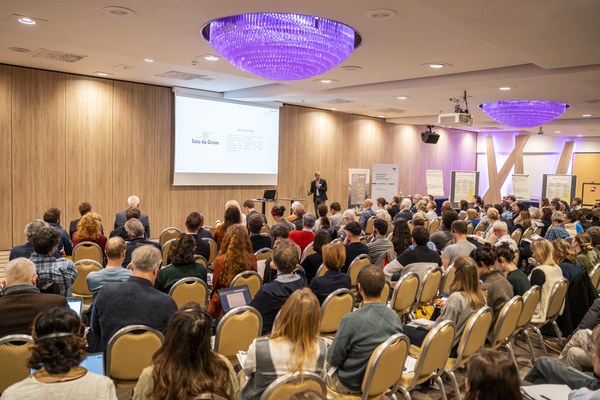
Dialogue on Alpine Spatial Planning: Proceedings of the CIPRA Annual Conference 2025
How can Alpine Spatial Planning mitigate conflicts between the energy transition and nature restoration? This question was addressed at the CIPRA Annual Conference 2025 in Salzburg, which brought together more than 160 participants. The proceedings show key insights and recommended actions – not in a concluding way, but as part of an ongoing learning process and as an impulse for further debates. They underline the shared understanding that the energy transition in the Alpine region must be approached and implemented in a cross-sectoral, interdisciplinary, and transboundary manner.
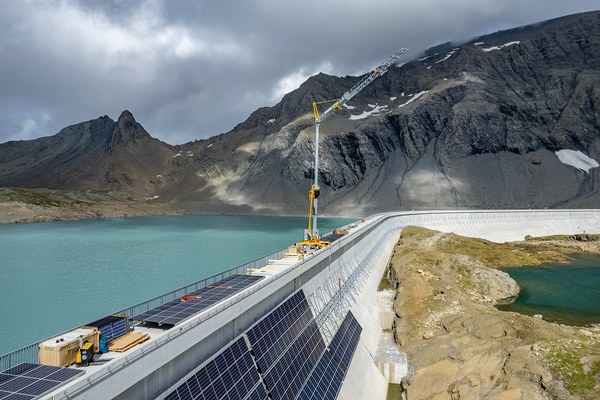
Unsuitable landscapes for energy production
The results of a recent survey from Switzerland are clear: no to energy production in almost unspoilt mountain areas. Intensively used areas around ski resorts or existing power plants would be better suited to the expansion of renewable energy.
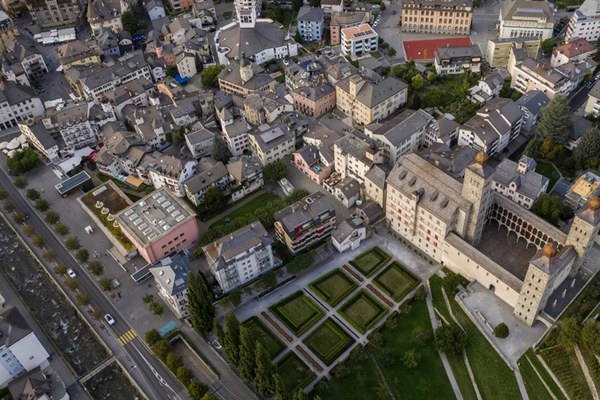
Alpine towns – key to sustainable development
The ninth Report on the State of the Alps, entitled “Alpine Towns”, was presented as part of the Swiss presidency of the Alpine Convention. It sheds light on how the Alpine settlement system hinders – or helps – the sustainable development of the Alps.
Climate protection: from plan to action
The Alps as a climate-neutral, climate-resistant region by 2050: this is the objective of the newly launched “Climate Action Plan 2.0” of the Alpine Convention. Concrete steps will now follow in such areas as mountain farming, spatial planning and biodiversity.
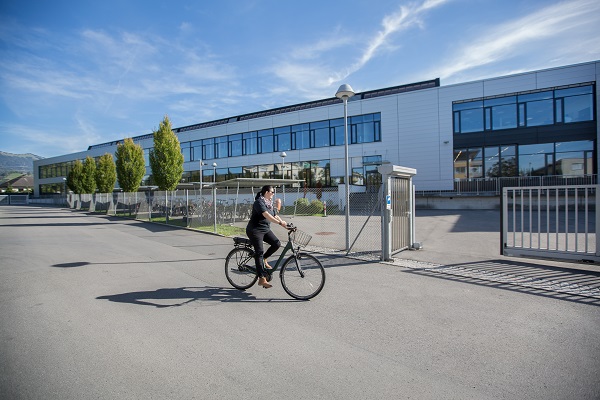
Fit for work
Change to bus, train, bike or e-bike: pilot companies in the Alpenrhein-Bodensee-Hochrhein region are testing healthy ways to work in the three-year Interreg project Amigo.
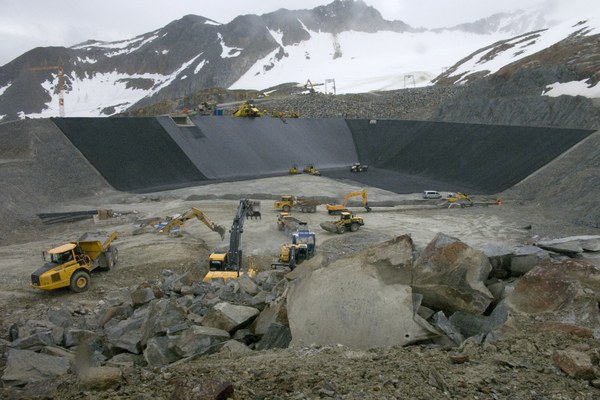
Building – a bottomless pit?
Whether it is a question of major projects or infrastructure developments in protected areas – Alpine countries such as Austria and Switzerland cannot build quickly or easily enough.
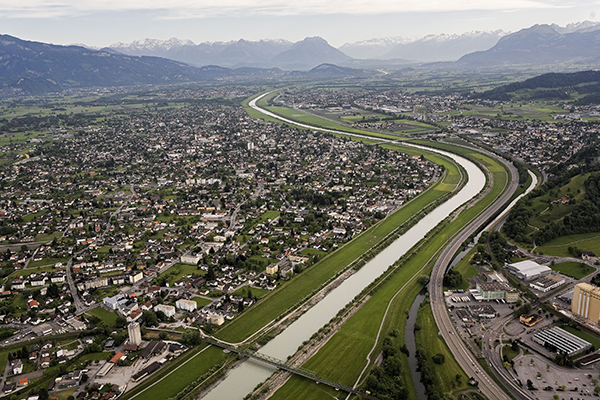
One river, numerous desires: disagreements about the Alpine Rhine
A current bone of contention between different interest groups is the priority to be given to the various uses made of the Alpine Rhine: as a farming area, as a habitat for the little ringed plover and the German tamarisk, or as a drinking water reservoir. SPARE, a new European Union project for the Alpine region, will offer assistance for the holistic management of watercourses.
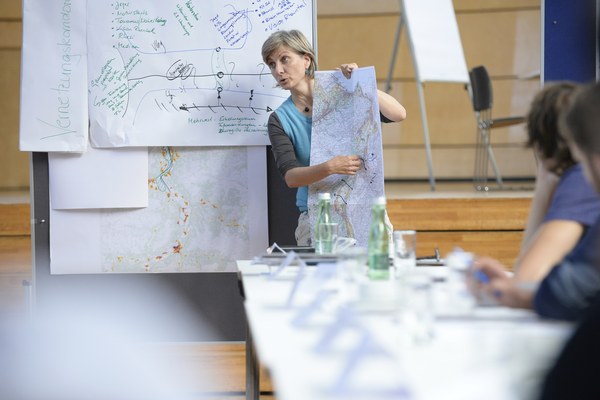
Our green lungs are running out of air
Animals and plants have to migrate in order to reproduce. That involves crossing land used by human beings. Ecological networking therefore needs the support of a variety of stakeholders. CIPRA brings them together.
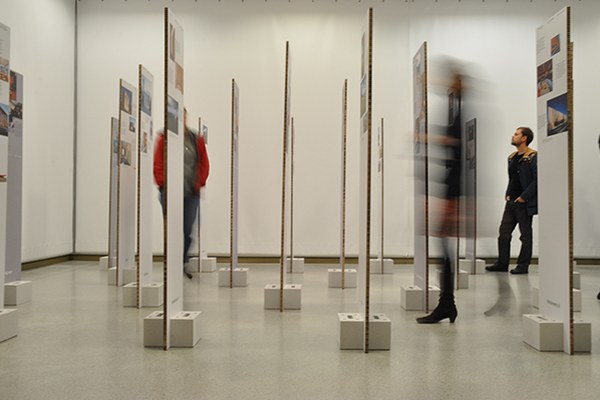
Nominations for Alps-wide architecture prize
Switzerland and Liechtenstein, with technical and organisational support from CIPRA, will for the third time be awarding prizes to buildings in the Alps that demonstrate particular aesthetic and sustainable qualities. The jury has now nominated 32 projects for the “Constructive Alps” Architecture Prize.
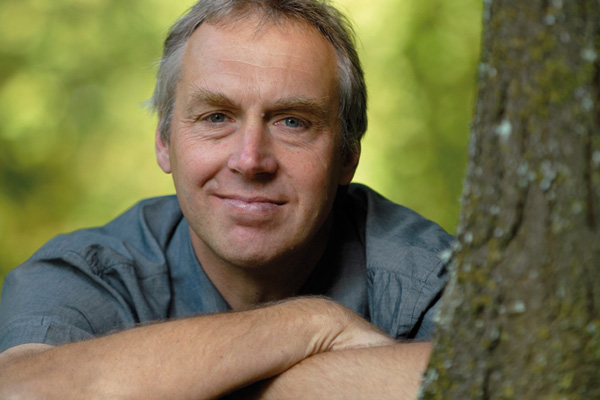
Point of view: Second homes – no end in sight
By voting “Yes” in 2012 in the referendum “No to the unrestricted building of second homes”, Swiss voters expressed their desire for new tourism policies. Dominik Siegrist, President of CIPRA International, expresses doubt that the population’s demand canactually be implemented.
CIPRA's point of view: The Alps are far too valuable for the Olympics
The result of the vote held on 3 March 2013 in Graubünden is clear: 52.7% are against the Winter Olympics being held there in 2022. This example shows that there is no desire for gigantism in the Alps.
Next generation to bear risk of Winter Olympics
The Swiss canton of Graubünden wants to hold a "sustainable" Winter Olympics in 2022. While the many open questions regarding the candidacy have stirred passions in Switzerland, Munich's candidacy is not quite so controversial. But time is pressing.
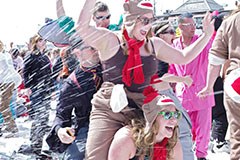
An Alpine "arms race": the desire for fun and games
Europe's highest suspension bridge is being opened in Switzerland, while an Austrian peak is getting a four-armed cross that is accessible to visitors - unbelievable adventures in the Alps.
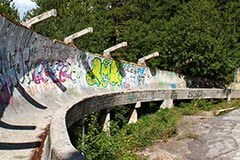
Olympic candidacy - a questionable venture?
Forecasts estimate that the 2022 Winter Olympics in Switzerland will cost 4.5 billion Swiss francs - or, as experience shows, even more. Is it worth it? In March 2013 the citizens of Graubünden will go to the polls to decide.
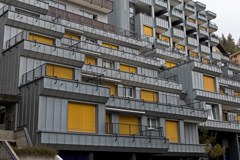
Swiss want to see fewer second homes
Most Swiss people have approved the "Stop the never-ending building of second homes" initiative, providing mountain communities with more protection for landscapes. But the building moratorium is not universally popular.
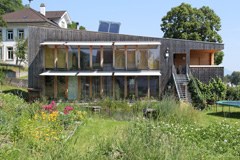
climalp video: living in a plus-energy house
CIPRA's climalp project demonstrates that energy-efficient houses built using regionally sourced timber are highly beneficial when it comes to living comfort, the climate, and the regional economy. A recent video featuring the single-family home of the Götz family built in Switzerland's Rhine valley in 2004 illustrates what sustainable, climate-friendly building can look like in practice.
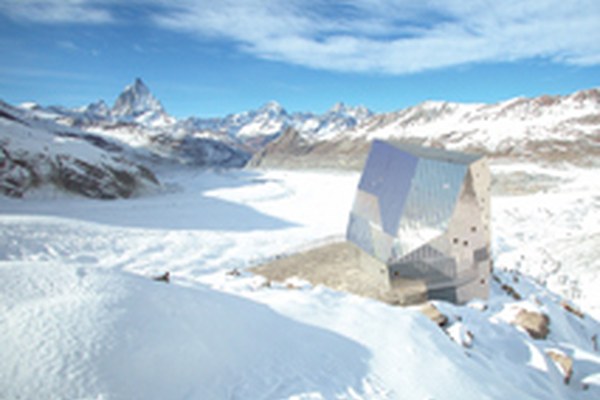
Glittering mountain hut in the Monte Rosa massif
Construction work began last week on the new Monte Rosa Hut at the foot of the Dufourspitze above Zermatt/CH. The hut, which resembles a glittering rock crystal, is being built by the Swiss Alpine Club in the framework of the 150th anniversary of the Swiss Federal Institute of Technology.
Obligatory rentals for planned Swiss resort
The Egyptian entrepreneur Samih Sawiris does not want the resort he is planning in Andermatt/CH to become a ghost town. His solution: anyone who purchases a house or apartment as a second home must sign a contract agreeing to rent the property whenever they are not in residence.
Eco-building zone promotes demographic growth
The tiny Grisons community of Flerden/CH has succeeded in attracting new residents to its mountain village - and done so ecologically. In 2003 the community created an 8,500 m² energy-saving housing area for new builds erected according to ecological principles.
Unconventional co-operation in Switzerland's mountain regions
The Swiss Working Group on Mountain Regions has struck up a co-operation venture with eBay International AG, the world's largest internet auction house. Private individuals as well as small and medium-sized businesses are to be trained in buying and selling products and services via eBay.
International Master of Landscape Architecture
(12.01.2006) The Master of Landscape Architecture (IMLA) at the University of Applied Sciences Rapperswil/CH is to be expanded in 2006, and will now also be available jointly at the Universities of Nürtingen-Geislingen/D and Weihenstephan/D.
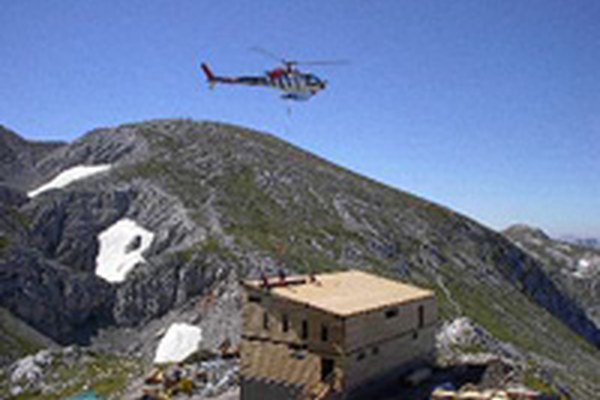
Mountains and the modern age: innovative construction at high altitudes
The Austrian Tourist Club [Österreichischer Touristenklub] recently opened the first high-alpine passive building, namely the Schiestlhaus am Hochschwab/A at 2,153 m.
CIPRA conference on cities in the Alpine space
CIPRA's annual conference will be held in Brig/CH on 22 - 24 September. The subject of the 2005 conference is Alpine cities and their role as sustainability actors, with a focus on the following main aspects: - design, management and optimization of relations between Alpine cities and the surrounding areas; - networking, alliances and enhanced co-operation and synergies among Alpine cities to achieve effective positioning in the face of competition from other European locations.
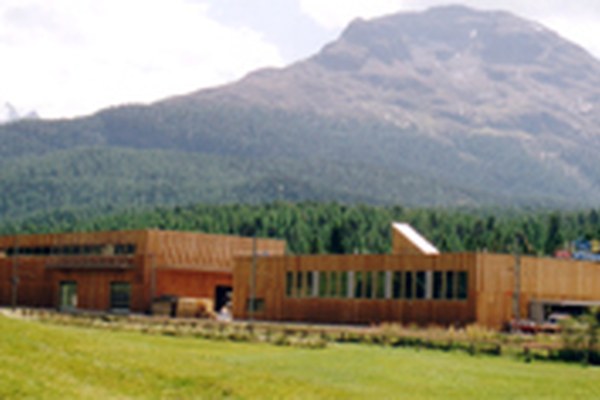
Ultra-low energy building gains altitude
The highest ultra-low energy business premises of the Alps were officially opened in Punt Muragl (En-gadine/Switzerland) at the end of August. Gasser Building Materials' 23,000 m3 warehouse with integrated DIY store is situated at an altitude of 1,728 m above sea level and is heated almost exclusively by solar energy.
Restriction on new holiday homes
In future all new properties built in Zermatt/CH must have a principal residence share of 30%. This measure is designed to prevent Zermatt becoming a ghost town during the off-season.
Studies and conference on rail network extensions in the Alpine Rhine region
The A13/E43 network has commissioned a study in the border region between Germany, Switzerland, Austria and Liechtenstein with the following basic requirements for the future provision of public passenger transport services: Rail links to the large agglomerations in southern Germany and from the upper Rhine valley to the central areas of southern Germany and western Austria; expansion of the S-Bahn network in the region comprising eastern Switzerland, the eastern area of Lake Constance and the upper Rhine valley; development of tram/suburban railway systems such a half-hourly S-Bahn link between Feldkirch/A and Buchs/CH.
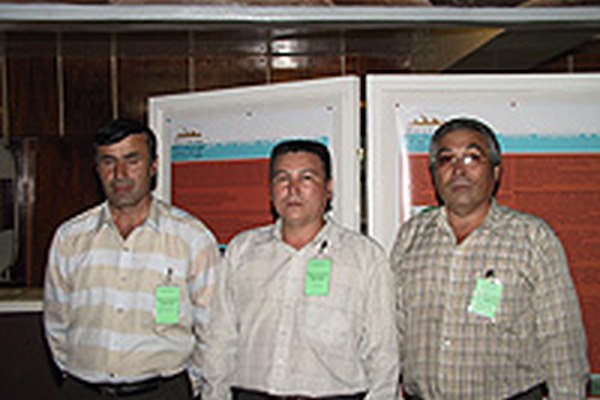
Alliance of Central Asian Mountain Communities founded
The Alliance of Central Asian Mountain Communities, which is modelled on the Alliance in the Alps community network, was founded in Dushanbe, the capital of Tajikistan, on June 22. CIPRA played a key role in the founding of the Alliance.