
Articles
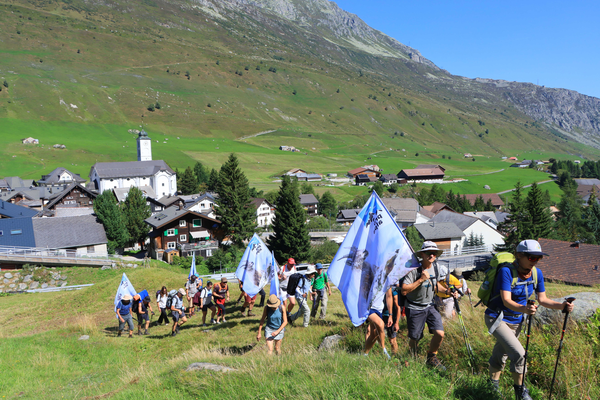
Alps in Motion: new Alpine-wide Day of Action
The Alpine Fire is being reimagined. With Alps in Motion, CIPRA Switzerland and CIPRA International are launching an Alpine-wide Day of Action on 29 August 2026.
![[3 questions to … ] Francesca Pasetti Bombardella](https://www.alpeninbewegung.org/en/news/3-questions-to-francesca-pasetti-bombardella/@@images/image-600-93ddabd8343a686678bf11034747f4cf.jpeg "[3 questions to … ] Francesca Pasetti Bombardella")
[3 questions to … ] Francesca Pasetti Bombardella
2026 is the International Year of Rangelands and Pastoralists (IYRP 2026) aimed at raising global awareness of the critical importance of rangelands and pastoralist communities, managed by FAO during the whole 2026. Francesca Pasetti Bombardella is co-chair of the Regional IYRP Support Group Europe.
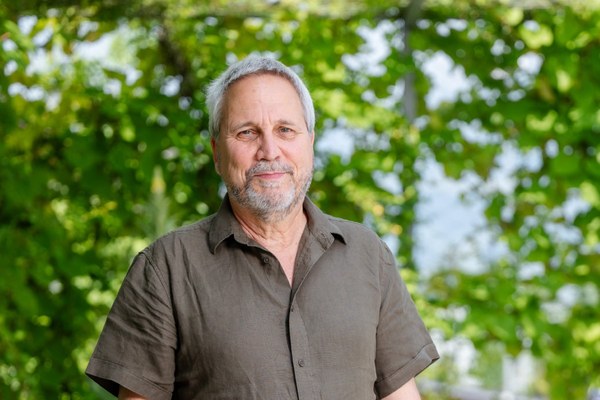
Point of view: European elections 2024: why a Swiss citizen would also like to vote
Switzerland’s referendum-based democracy has pitfalls of its own when it comes to environmental and climate policy. There needs to be an overarching corrective, such as neighbouring countries have in their constitutional courts and through the legal institutions of the EU, says Kaspar Schuler – as a Swiss citizen and Executive Director of CIPRA International.
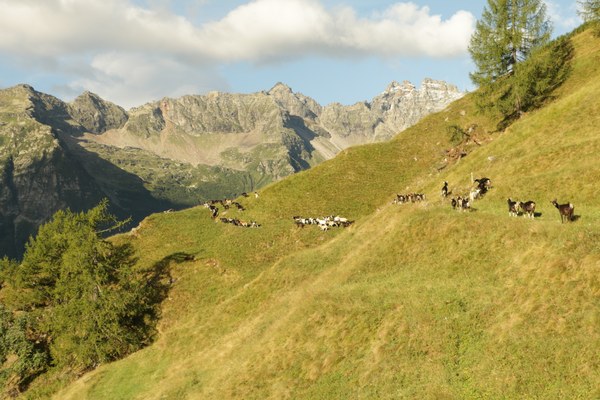
UNESCO recognizes Alpine season as cultural heritage
In December 2023, UNESCO added the “Alpine season” to its Representative List of Intangible Cultural Heritage. Known for centuries in Switzerland and neighbouring countries, the Alpine season remains alive and well thanks to its many different forms.
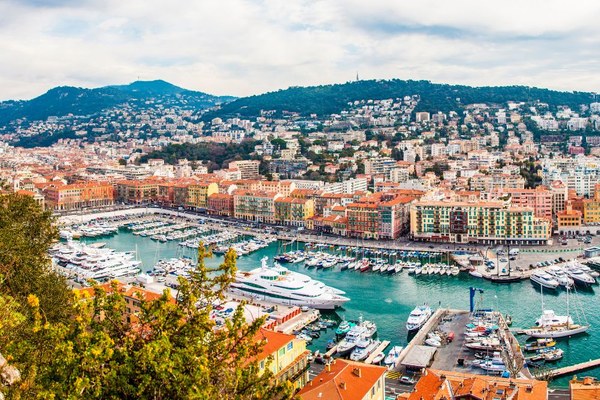
2030 Winter Olympics in Nice
Switzerland’s idea of decentralised, sustainable games has been rejected by the IOC. Instead, the French Mediterranean city of Nice is very likely to be awarded the contract.
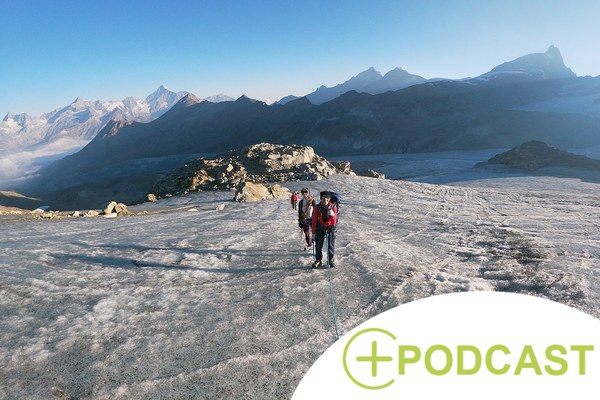
Expedition for future female glacier researchers
Stay overnight on the glacier for over a week, climb peaks, carry out scientific experiments: the “Girls* on Ice” project offers girls an awe-inspiring summer experience.
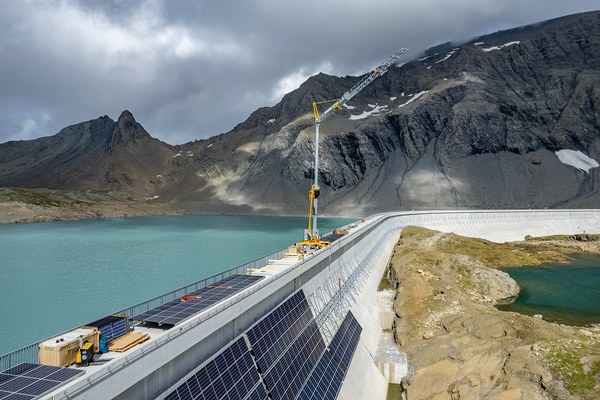
Unsuitable landscapes for energy production
The results of a recent survey from Switzerland are clear: no to energy production in almost unspoilt mountain areas. Intensively used areas around ski resorts or existing power plants would be better suited to the expansion of renewable energy.
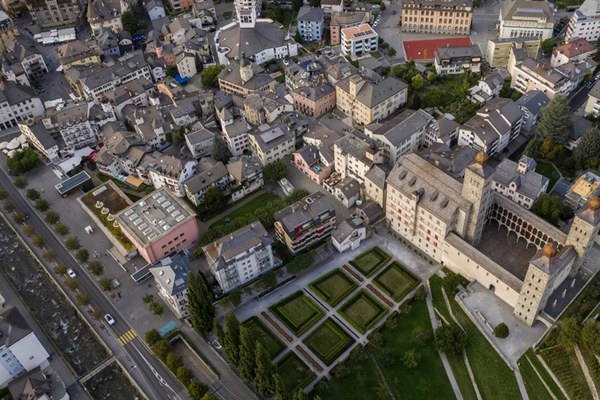
Alpine towns – key to sustainable development
The ninth Report on the State of the Alps, entitled “Alpine Towns”, was presented as part of the Swiss presidency of the Alpine Convention. It sheds light on how the Alpine settlement system hinders – or helps – the sustainable development of the Alps.
Point of view: Let's finally press the reset button in tourism!
Mass tourism in the Alps has collapsed due to the ongoing Corona pandemic, and the opportunities for switching to environmentally and socially just tourism have increased. But they must also be exploited, says Hans Weber, Executive Director of CIPRA Switzerland.
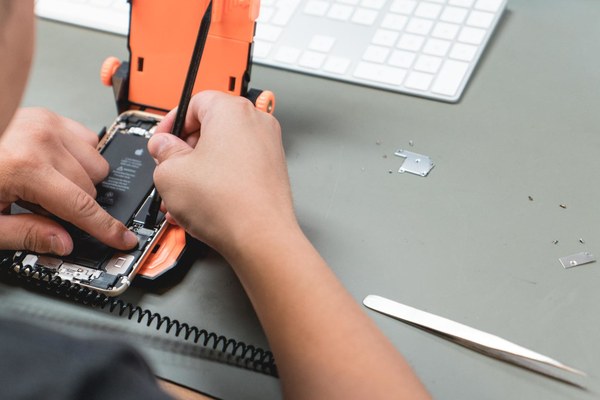
Innovations and aberrations
Helicopter flights and Australian white wine on the one hand, an eco-museum and recycled smartphones on the other: positive and negative awards from environmental organisations point the way to a more sustainable future.
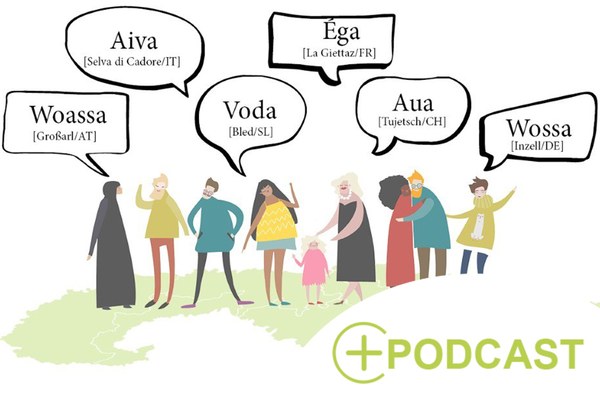
Do you speak Alps?
A different dialect in every community: the linguistic diversity of the Alps is fascinating and constantly changing, which also makes it interesting for linguists. Using modern methods such as crowdsourcing, a research project is collecting dialect words across the Alps for a digital, living lexicon.
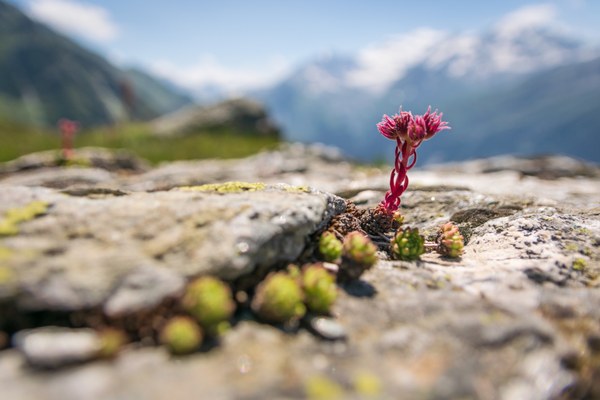
Under the magnifying glass
What treasures and resources are hidden in the Alps? How do we deal with them as sustainably as possible? These and similar questions are posed in the August 2021 issue of SzeneAlpen.
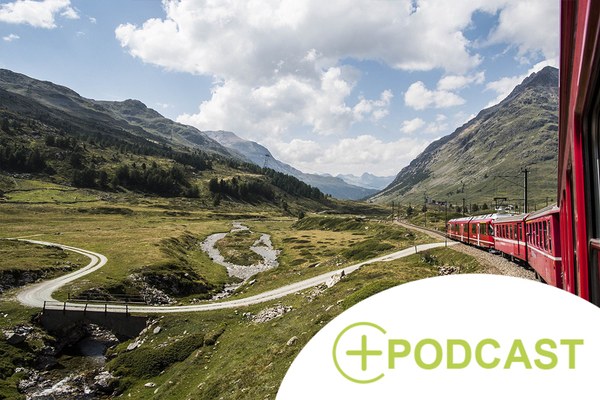
Mobile in the Alps
By rail, by road, by mountain path: numerous CIPRA projects show just how diverse sustainable mobility can be.
Changing the Alps together
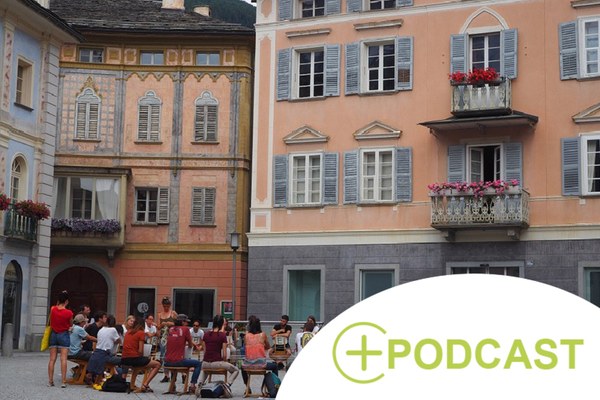
Integrating marginalised groups better, reviving ghost towns in the Alps, or organising a meeting on “Rural Commons”: the first “Alpine Changemaker Basecamp” (ACB) in Valposchiavo/CH at the beginning of July 2021 saw around 30 participants from the Alpine region further developing their projects for a liveable future in the Alps.
Developing Alpine culinary arts
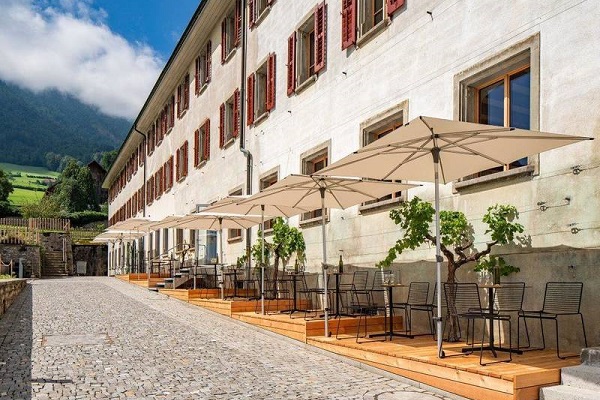
The first competence centre for regional culinary arts in the Alps opened in autumn 2020 with the “Culinarium Alpinum” in Stans/CH, showing how the cooperation of various players is revitalising and developing Alpine food culture.
Sabbatical in the Alps
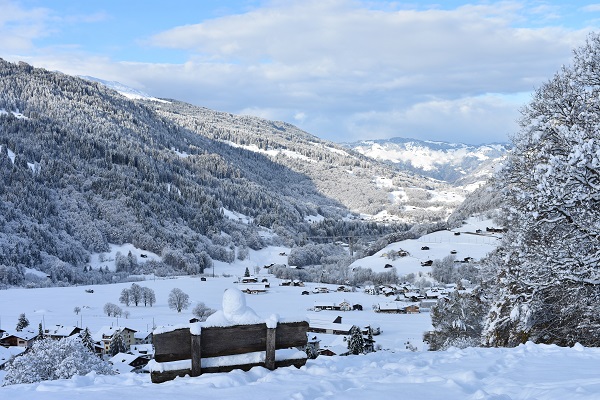
Take a longer break and give something back: The "Alpine Sabbatical" in Switzerland offers a meaningful alternative way of spending your free time.
The Alps as cultural laboratory
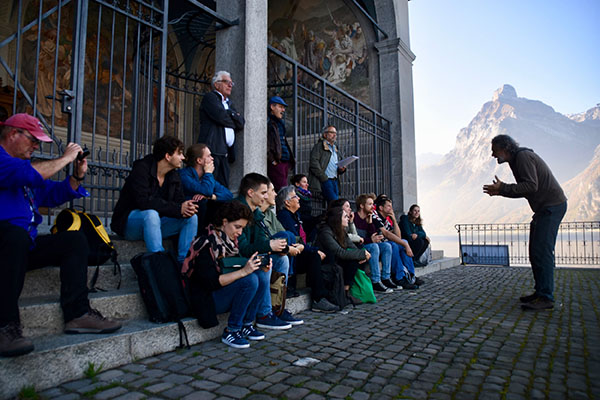
Inspiration, shared experiences and participation: the annual CIPRA conference saw over 100 attendees from every Alpine country meet in Altdorf/CH at the end of October 2019 to discuss the “Alpine Cultural Workshop”. The event was organised by CIPRA International and CIPRA Switzerland.

Innovative ideas for tourism
Forest cabins that are self-sufficient in energy, mobile ski instructors, taking a break in an empty second home or glamping down on the farm: CIPRA Switzerland’s «Innovation Generator» is supporting the start-up of four tourism projects.
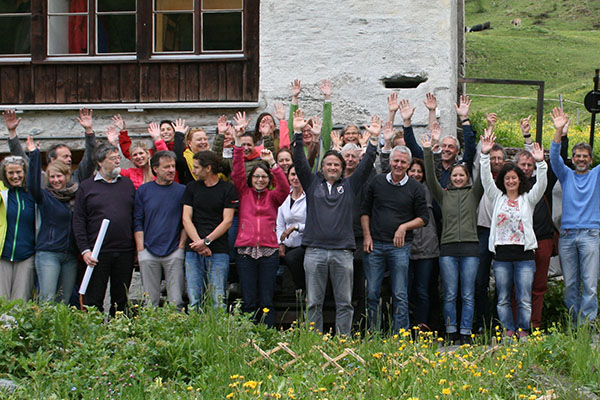
Identity needs culture
CIPRA Switzerland. Growth-orientated regional politics in Switzerland today are aimed first and foremost at economic development and at prioritising hubs and development axes. The potential afforded by mountain regions with their diverse culture is barely recognised.
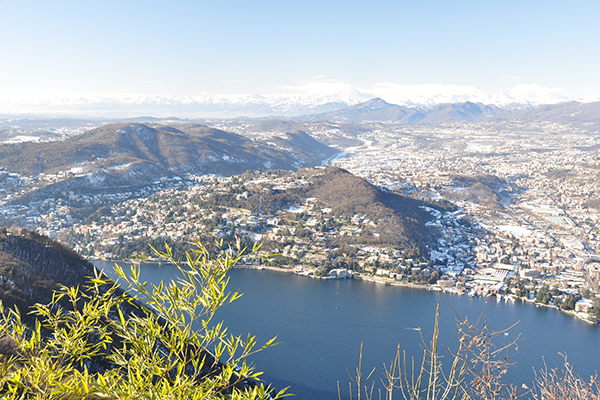
Open Alps 2017
The end of 2016 saw the announcement of the winners of the 2017 “Open Alps” human rights award. This honour is given to individuals or groups who actively work for the rights of refugees, immigrants, socially disadvantaged persons and threatened minorities in Europe.
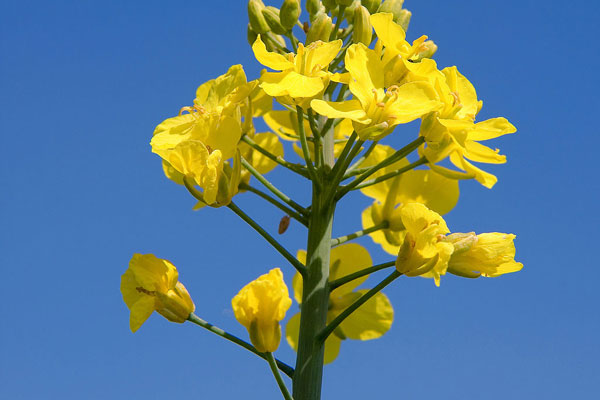
Genetic engineering: sinister passengers in the Alps
In Switzerland genetically modified rapeseed is spreading in uncontrolled fashion. Yet its cultivation and use for feeding have been prohibited there since 2008. How is it that such rape is appearing in places where it has no right to be?
Salmon coming to the Rhine
From the Atlantic to the Alps: by 2020 the Rhine will once again be a home to salmon. These migratory fish will then be able to swim unhindered all the way to Basel -short-term by unconventional means where necessary.
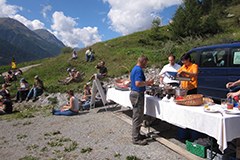
Nature-friendly tourism and connected habitats in the Rhaetian Triangle
Supporting the implementation of an ecological network continues to be a major issue in the Swiss region of the Lower Engadine. The new "Colliar" project intends to improve co-operation on regional initiatives by different sectors.
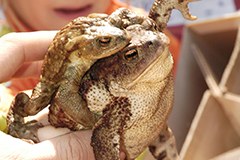
Better ecological corridors and fewer accidents involving animals on Swiss roads
The Federal Council has drawn positive conclusions as regards the status of ecological corridors in Switzerland. A pilot project has tested how to successfully reduce collisions between animals and cars. The upcoming research field of landscape genetics provides new insights for the planning and implementation of ecological networks.
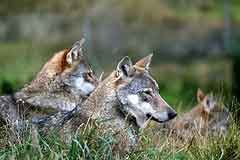
Wolves: France wants to shoot them while Switzerland celebrates new-borns
In Switzerland they are celebrating the first new generation of wolves. But where should these wolves go? A national park in the south of France has initiated a debate on this topic - with consequences for the Alps.
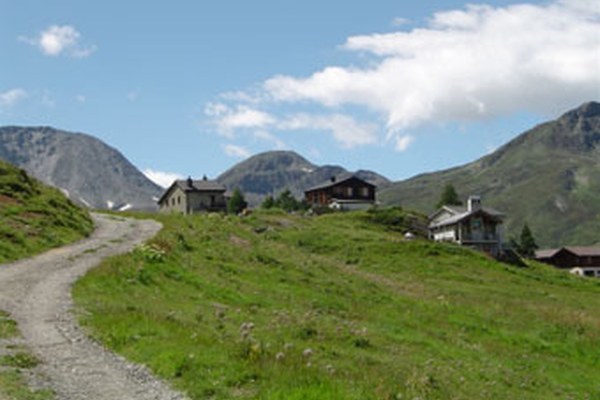
Swiss-Italian cooperation in favor of ecological connectivity
During the last Alpine Conference in March 2011 the Alpine Convention officially nominated 8 pilot regions for ecological connectivity in the Alps.
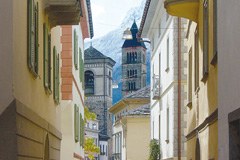
The Alps are renewed in Poschiavo
On what sort of resources are the Alps building their future? Can climate change be an opportunity? What ought to be done to ensure that young people have prospects? The Alpine Week being held in the Swiss valley of Val Poschiavo from 5 to 8 September 2012 aims to discuss just how renewable the Alps actually are.
Powerline poles: a serious danger for the eagle-owl
Whereas populations of eagle-owl in many parts of Europe slightly increase, they stagnate or slightly reduce in Switzerland. The situation is especially critical in Valais, where only approximately ten breeding pairs are living. In the last twenty years this population has barely changed. According to a new study only ten percent of eagle-owls in Valais survive the first year of their lives. One fourth dies of electric shock when trying to sit on obsolete powerline poles, which do not correspond to current security standards.
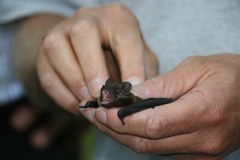
The chestnut forest plays host to a rare guest: Alliance in the Alps network of municipalities
The little bat somehow looked different. Filigree in form, brownish in colour, and with a ringed wing it huddled in the corner of the nesting box on the chestnut tree. Nicola Zambelli put on his gloves and pulled gently on the wing tip to examine the ring.
Rhaetian Triangle: new online tools and support for local initiatives
The Swiss National Park (SNP) is currently developing a web based tool to analyze barriers and corridors of the large pilot region Rhaetian Triangle. Furthermore, two local initiatives are concretely acting for the restoration of ecological connectivity. The new map application will allow comparing a freely defined area with other areas in the neighbourhood and identifying the fields with high need of action according to selected indices.