
Media releases
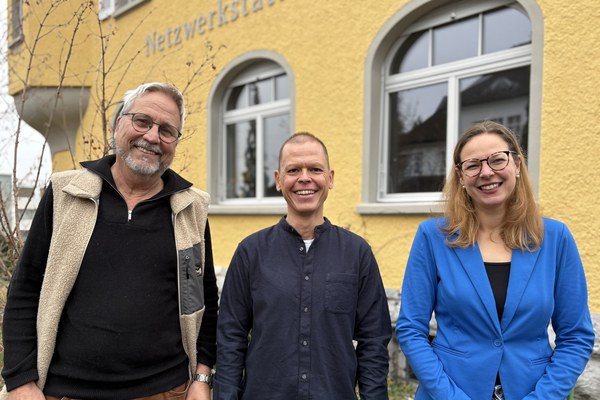
Generational Change at CIPRA International
After seven eventful years at the helm of CIPRA International, Kaspar Schuler is retiring, well deserved. His former deputy, Jakob Dietachmair, takes over as Executive Director, while Magdalena Holzer, a long-standing project manager at CIPRA, becomes the new deputy director.
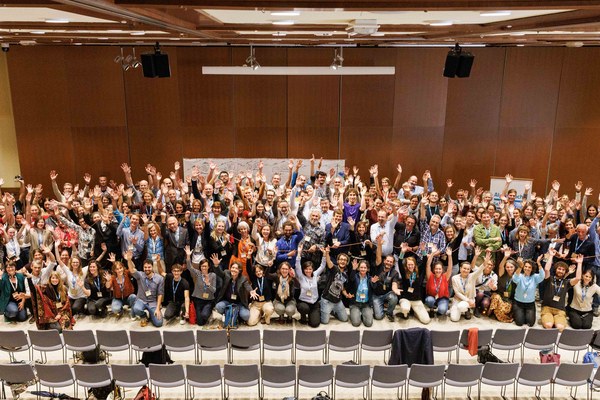
AlpWeek 2024: Two decades of success and a vision for the future of the Alps
Nova Gorica, Slovenia, 26 September 2024 – Twenty years after the first AlpWeek, over 200 participants left the 2024 event reinvigorated by a shared commitment to a sustainable future for the Alps.
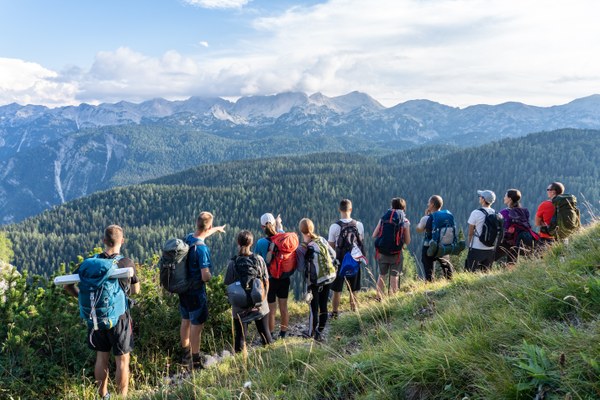
Young people’s demands for a good life in the Alps
Environmental protection, car-free mobility and better work-life balance: these were the political demands of young people from Germany, France, Slovenia and Liechtenstein at the end of the CIPRA “Alpine Compass” project.
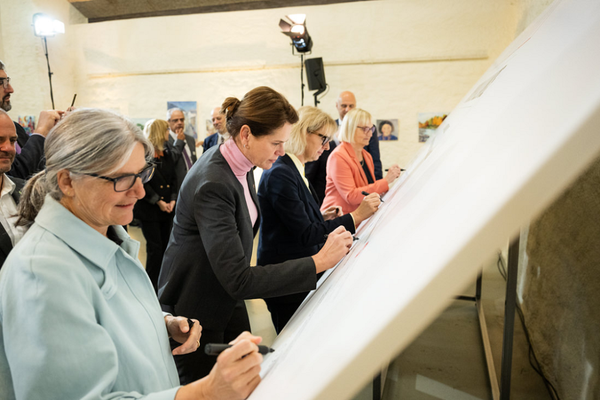
Alliance for climate-neutral Alpine transport
Seven of eight signatory states to the Alpine Convention today signed a progressive action plan for climate-neutral mobility by 2050 in Brig/CH. CIPRA International contributed to the almost two-year development of the action plan with proposals for the “Simplon Alliance”. CIPRA and the Alpine Initiative are calling for more than mere lip service to the alliance.
Alps in transition
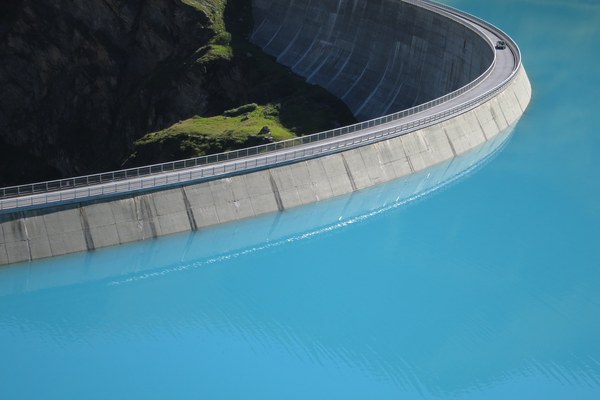
The ecological transition is already happening in the Alps – and we are in the middle of it. The AlpWeek 2022 from 5 to 7 September 2022 in Brig-Glis/CH will bring together citizens and decision-makers to discuss the many aspects of transformation in the Alps. CIPRA is co-organiser of the international event.
New alliance for European mountain regions
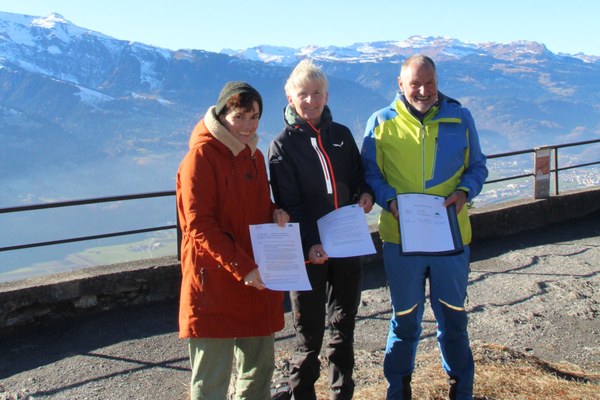
Global warming, excessive tourism and landscape degradation require the very highest degree of multifaceted solutions. Three umbrella organizations committed to mountaineering and sustainability in European mountain regions therefore decided, at the end of November 2021, to join forces: the Club Arc Alpin (CAA), the European Union of Mountaineering Associations (EUMA) and the International Commission for the Protection of the Alps (CIPRA).
Freight transport belongs on the rails
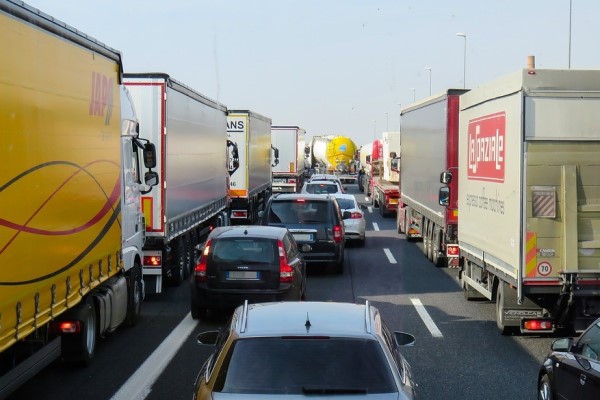
Agreement on the Eurovignette Directive must not be delayed any longer. CIPRA International and the "iMonitraf!" network are therefore calling for rapid agreement to ease the burden on humans and nature. The aim of the directive must be preserved: freight transport needs to be shifted to the railways.
Youth Alpine Interrail: On track for 2020
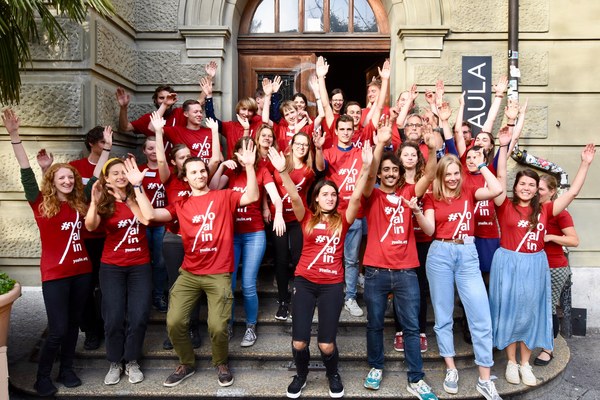
With CIPRA's «Youth Alpine Interrail» project, 100 young people travelled environmentally friendly through the Alps this summer. On 27 September 2019, the successful conclusion was celebrated in Bern/CH, where the travellers also worked together to develop demands for sustainable transport.
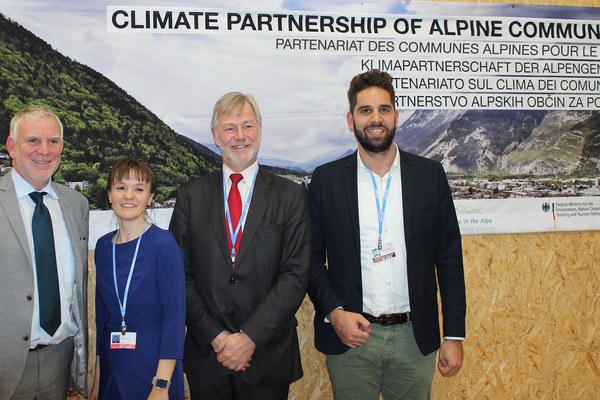
Partnership of Alpine communities for climate protection
CIPRA International presented the idea of a Climate Partnership of Alpine Communities at the opening day of the 2017 World Climate Summit in Bonn, Germany. In partnership with the “Alliance in the Alps” and “Alpine Town of the Year” networks, as well as the support of the German Federal Ministry of the Environment, CIPRA International wants to actively strengthen the role of towns and cities in the Alpine region in increasing climate protection in the coming years.
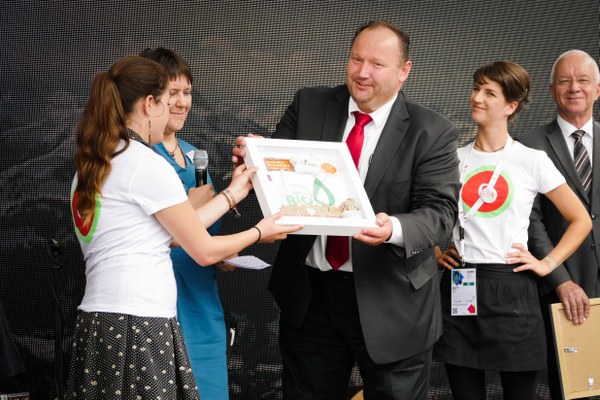
Tracking change with CIPRA
Twenty-five years have passed since the Alpine Convention was established. In its Annual Report, CIPRA International focuses on the role the international agreement plays for panalpine cooperation today and the role it could play in the future. There is also an internal change to report – in August 2016, Andreas Pichler will be taking the helm of the Liechtenstein-based NGO.
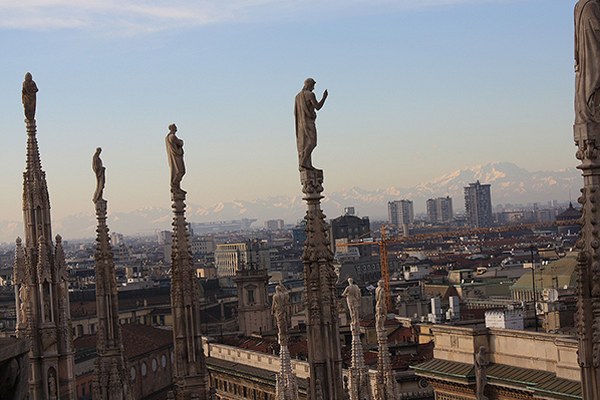
Alpine policy put to the test
The Macro-Region Alps opens up new possibilities for co-operation. CIPRA’s calls over the years for more participation and implementation may yet be acted upon. International policy for the Alps is the focus of the latest issue of SzeneAlpen.
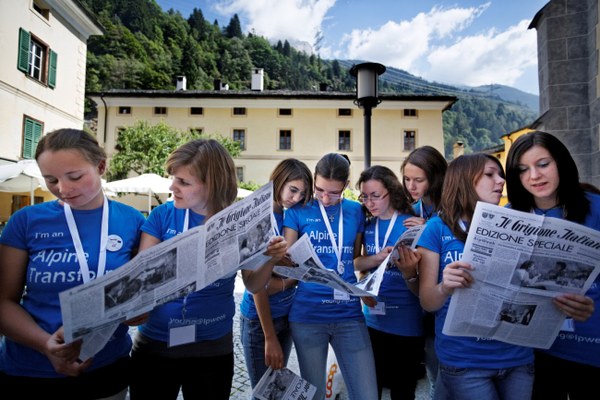
Young voices, new perspectives for the Alps
How do things stand with youth participation in the Alps? Where is action needed? A CIPRA report summarises the situation in the Alpine countries and shows the way forward. CIPRA has already taken a first step by creating a youth advisory council.
Macro-region for the Alps: We are ready!
The EU gave the go-ahead for a macro-region for the Alpine region five weeks ago, but civil society has been left in the dark ever since: national and regional governments are still discussing whether civil society should be permitted to play an active role in the steering group and have again adjourned the debate. NGOs and networks are ready to help build the “House of the Alps” as long as they are given access to the construction site.
An Alpine Crossing Exchange is legally feasible
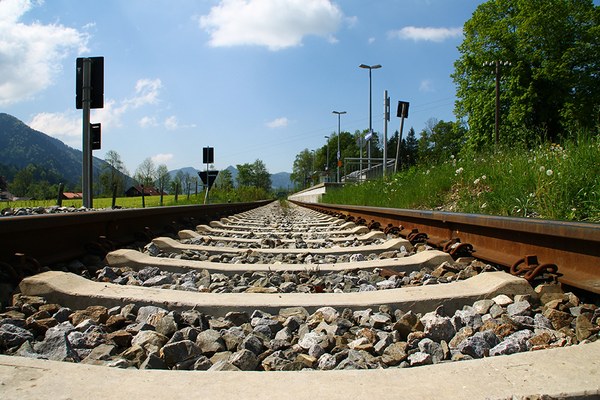
There are no legal obstacles to the introduction of an Alpine Crossing Exchange (ACE), provided the Alpine countries show the necessary political will. This is the conclusion reached by a study commissioned by the European Region Tyrol - South Tyrol - Trentino.
NGOs and networks for a macro-region Alps and participation of civil society
On 19 December 2013 the European Council will decide whether there should be a European strategy for the Alpine space. States and regions have been working for months on an appropriate proposal – while excluding representatives of civil society. Now the NGOs and networks are presenting a joint paper containing their views.
NGOs demand participation in the Alpine macro-region
Observer organisations of the Alpine Convention are bewildered at their exclusion from the Alpine macro-region. They are demanding their inclusion in the ongoing process for a macro-regional Alpine strategy.
Millions of Steps for the Alps
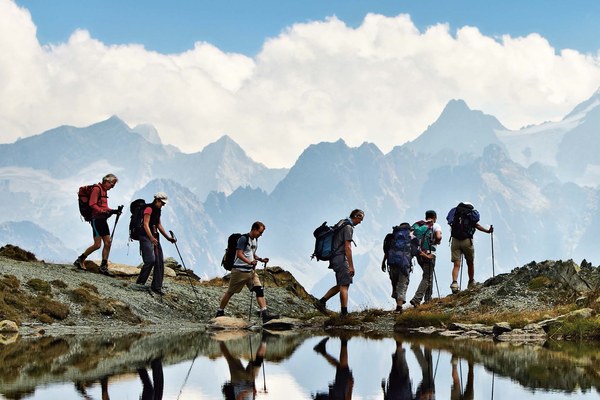
CIPRA’s networking experience beyond all linguistic, cultural, geographic and political borders has been the key to success on many occasions already. In its latest Annual Report, CIPRA focuses on people who have been working for sustainable development in the Alps since its foundation in 1952. And for the future: CIPRA International has a new Director, namely Claire Simon.
Using less energy is a genuine energy transition
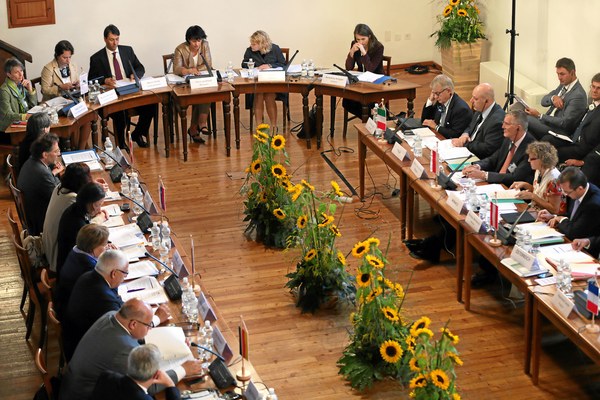
CIPRA, the International Commission for the Protection of the Alps, is demanding a genuine energy transition: using less energy while maintaining the same quality of life. Sustainable building and energy efficiency are therefore clear priorities. The fragile Alpine arc should in future also remain in a state of equilibrium. CIPRA demands that the environment ministers meeting today in Poschiavo, Switzerland, and the Alpine states should also aim for this genuine energy transition.
A new solidarity between the Alpine arc and metropolitan areas
Various political actors in and around the Alps are emphasising a macro-regional strategy for the Alps. CIPRA, the International Commission for the Protection of the Alps, is setting out its role prior to the forthcoming Alpine Conference of environment ministers from the Alpine Convention states, due to be held in Poschiavo, Switzerland in September 2012. CIPRA will take an active part in the process and has responded positively to the Alpine macro-region – provided there is a clear framework.
Wall blocks centres of six cities
In protest against the fragmentation of habitats in the Alpine space Stop – no way through! Today, 20 October 2010, a giant wall blocks the way of pedestrians in Zurich, Vienna, Munich, Ljubljana and Milan. For animals, it’s the same every day: streets and settlements increasingly fragment their migration routes. Against the background of the 10th Meeting of the Conference of the Parties of the Convention on Biodiversity, now being held in Nagoya, Japan, WWF, CIPRA, ALPARC and ISCAR (the ‘Ecological Continuum Initiative’) demonstrate with ‘The Wall’ how important interlinked habitats are for the survival of many plant and animal species.