
Political positions of CIPRA
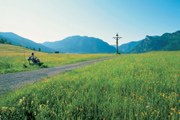
Friends-of-Nature Wildhaus Declaration: tourism and sustainability in the 21st century
Tourism needs an intact natural environment, a vibrant cultural life, and a fair partnership between visitors and visited. As an economic sector, tourism is directly dependent on sustainability. The Declaration calls upon the tourism industry, the tourism regions, governments and individual tourists to curb the consumption of natural resources and reduce the burden of traffic caused by tourism traffic. It also calls on tourism to contribute towards eliminating poverty and to implement a sustainable destination and transport policy for the environment.

Berchtesgaden Declaration on regional co-operation in mountain regions 2002
At the end of June 2002 a conference on international co-operation between the mountain regions of the world was held in Berchtesgaden. The participants at the conference presented ten fundamental principles for regional co-operation. The principles underscore the key responsibility of governments and the need for regional co-operation to ensure the sustainable and proper management of mountain regions. Equal rights, decentralisation and the involvement of resident populations are essential in achieving sustainable development. Measures aimed at establishing cross-border partnerships and networks for the exchange of experience and the dissemination of knowledge are of crucial importance in bringing regional co-operation to life. The Declaration is aimed at governments, the international community, the private sector and NGOs.
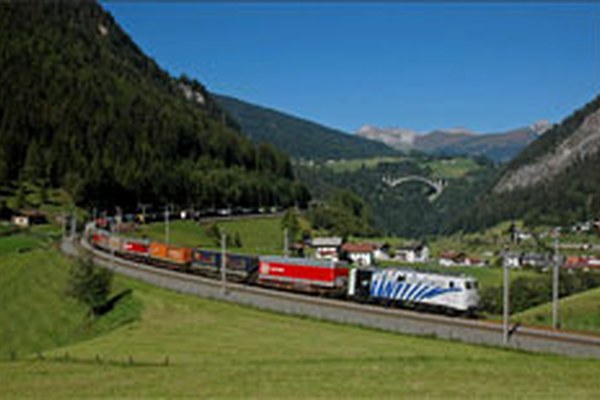
Vienna Declaration by the Regional Conference on Transport and the Environment 1997
The Declaration was adopted by the governments of the member states of the UN Economic Commission for Europe. The states pledge to take steps aimed at reducing the negative impact of transport and traffic on the environment and on health. Energy-efficient and ecological vehicles and fuels as well as efficient and sustainable transport systems are to be encouraged and sensitive regions protected. The UNECE members are also planning to encourage the safe transport of hazardous substances and adopt measures aimed at protecting water resources from pollution. Annexed to the Declaration is a programme with a description of potential measures and solutions in the area of transport and the environment. http://www.unece.org/doc/ece/rcte/ece.rcte.conf..2.final.e.pdf
News on Alpine Politics
alpMedia
Swiss Chairmanship of the Alpine Convention
Switzerland has chaired the Alpine Convention since the end of 2020. One of the main topics for the next two years will be climate protection.
alpMedia
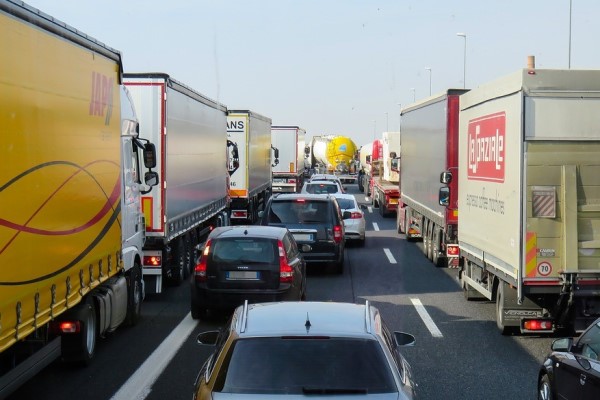
Freight transport belongs on the rails
EU transport ministers want to reach an agreement on the new Eurovignette Directive for transit traffic by the end of September 2020. CIPRA International and the "iMonitraf!" network are therefore calling for rapid agreement to ease the burden on humans and nature.
alpMedia
Location policy at the expense of the environment
Slovenia’s government wants to restrict the right of civil society to have a say in controversial construction projects. Other Alpine countries are also pursuing location policies at the expense of the environment.

alpMedia
Point of view: Water needs no borders – do we?
So far, sufficient water is available in the Alpine regions. If there is to be enough for everyone in the future, despite climate change, water must be treated as a common Alpine resource across national borders, says Marion Ebster, Project Manager at CIPRA International.
Point of view of CIPRA
alpMedia
CIPRA's point of view: An appeal for the mountains
Bigger, faster, further: not even the mountains are immune to this mantra of growth. CIPRA France is thus seeking visions for a sustainable future for both people and mountains.