Political positions of CIPRA

cc.alps: CIPRA Demands on Nature Protection
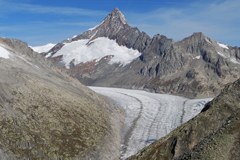
When climate changes, nature feels it. Mountain areas are particularly sensitive, and the greatest losses in terms of plant and animal species may occur precisely there. According to scientific estimates, almost every second plant species in the Alps is threatened with extinc-tion by 2100. For the flora with the highest number of varieties in Central Europe this would be an enormous loss. Because of global warming, also well-known animal species such as the Alpine ibex, the snow grouse and the mountain hare will experience far worse living con-ditions in the Alps.
cc.alps: CIPRA Demands on Energy
In order to limit global warming, first of all it is important that we use energy more efficiently. Yet this will not be enough for operating in a way that climate can sustain. We must radically change our energy consumption and our consumption of energy-intensive goods and services. Experience shows that consumption only goes down when clear political signals are sent - which include legislative initiatives, rewarding energy saving and punishing waste. The switch from fossil to renewable energies must be forced - but not to the detriment of nature. Biomass production, the installation of wind power turbines and new hydroelectric power stations in the Alps hide many potential conflicts. The environmental, social and economic consequences of climate projects must be carefully assessed and compared.
Resolution of Bolzano
"During this conference CIPRA expressed its strong expectations with regard to the outcome of the 15th Conference of the Contracting Parties of the United Nations Framework Convention on Climate Change, to be held in Copenhagen in December 2009. Further more, CIPRA calls upon the governments of the Alpine countries and upon those of the main industrialised countries, to show extraordinary commitment to achieve a distinct acceleration in climate change prevention policies at the global meeting in Copenhagen, in the light of new evidence and the confirmation of the seriousness of the phenomenon."

News on Alpine Politics

Point of view: 25 years of the Alpine Convention are not enough
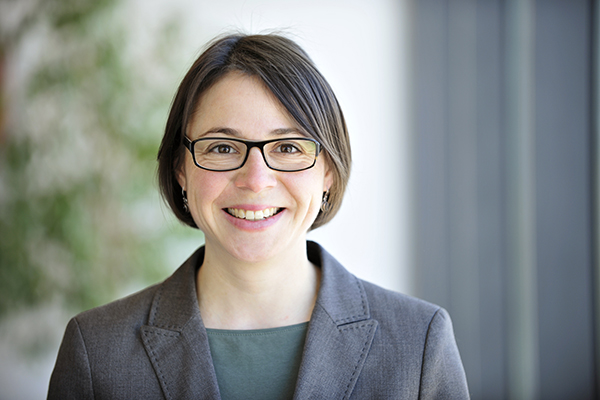
While we celebrate 25 years of the Alpine Convention, we still bemoan the slow pace of its implementation. For its objectives to be achieved, believes Katharina Conradin, President of CIPRA International, we have to repeatedly demand their realisation.
Change is in the air
A change of executive director at CIPRA International and at CIPRA Austria, and a new president for CIPRA Switzerland: the new faces shaping the future of CIPRA.
Alpine municipalities strengthen youth participation
If municipalities wish to introduce policies that will meet the expectations of coming generations, they have to be able to offer their young people something. The YSAM project has shown how youth participation can be strengthened in Alpine communities. A new label is being used in Switzerland to mark youth-friendly municipalities.
Alpine regional strategy on the starting blocks
The European strategy for the Alps is ready. There nevertheless remain some challenges to its effective and sustainable implementation.

Point of view of CIPRA

Point of view: Second homes – no end in sight
By voting “Yes” in 2012 in the referendum “No to the unrestricted building of second homes”, Swiss voters expressed their desire for new tourism policies. Dominik Siegrist, President of CIPRA International, expresses doubt that the population’s demand canactually be implemented.
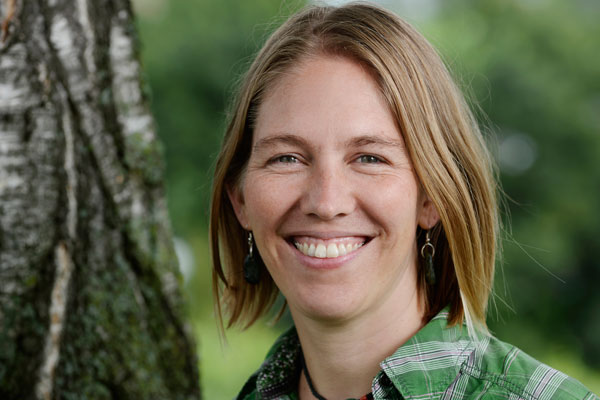
Point of view: who will fill the macro-regional Alpine house with life?
Just as in the building of a house, the inhabitants are the most important persons involved in the Alpine macro-region. But, eight weeks after the start of the process, states and regions have yet to indicate to the representatives of civil society whether they may contribute. R.S.V.P.
Point of view: The mountains do not grow to heaven
Mountains and valleys do not grow bigger - at least not in the human timescale. Yet our appetites grow from day to day. Sooner or later we will have to adapt our consumption of natural resources to their availability. We had better decide freely for a more modest life before we are forced to do so, demands Claire Simon.