Political positions of CIPRA

cc.alps: CIPRA Demands – Energy self-sufficient regions
Not having to depend on energy imports: this vision holds great fascination for many regions. Self-sufficiency is “in.” There are already many very positive approaches and examples of attempts to go down this road. At the heart of all the concepts is the idea of meeting demand through regional renewable sources of energy, saving energy and using energy more efficiently. Anyone who systematically takes this approach in an attempt to create an energy self-sufficient region changes the face of their region and its structures – to the benefit of their own economy, society and the environment.
cc.alps: CIPRA Demands on Spatial Planning
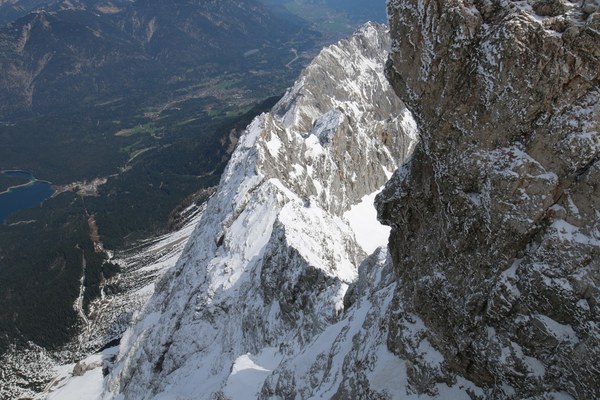
The Alps are different. The Alpine range is characterized by special features that need to be taken into account in spatial development and climate protection.
cc.alps: CIPRA demands on transport
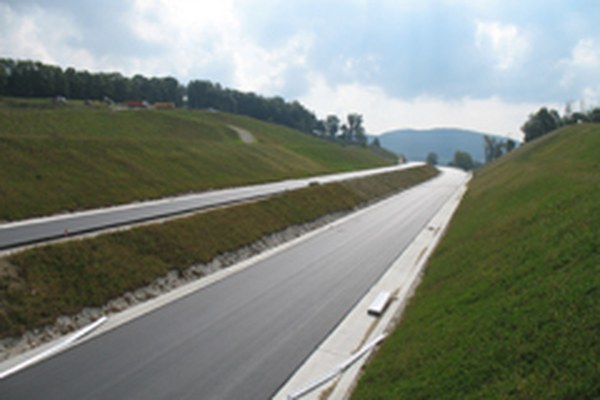
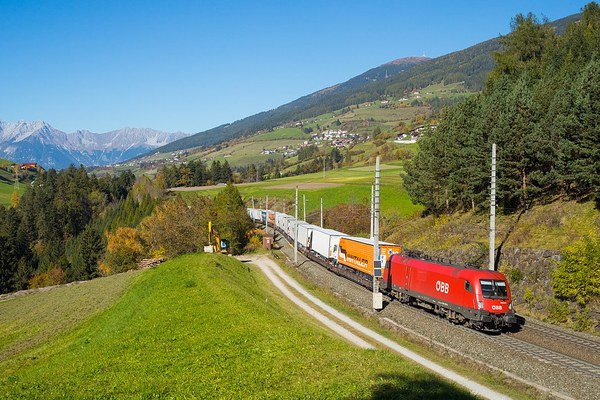
Transport, in particular by car and truck, is one of the main causes of climate change. In the Alpine countries transport accounts for more than 25 percent of the release of greenhouse gases and is of special importance in the increase of these gases since 1990. A wrong development, running counter to the political objective to reduce exhaust emissions. In the Alps, the percentage of journeys made by car is higher than European average.

News on Alpine Politics

Climate crisis makes mountains crumble
Rockfalls and rockslides are nothing new in the Alps, but dwindling permafrost is making the situation even worse – for mountaineering and for villages.
Ill-chosen incentives may fuel transit
More e-trucks instead of a shift to rail: a new EU directive could further fuel the burden of freight traffic through the Alps.
How much is nature worth?
Alpine pastures that provide us with food. Trees that provide a pleasant microclimate. Alpine landscapes that heal and touch. At the beginning of July 2021, around 100 participants from all Alpine countries discussed the benefits and value of nature in the Alpine region at CIPRA’s Annual Conference in Biella/I.
New dual leadership for CIPRA
Bianca Elzenbaumer and Serena Arduino are the new Co-Presidents of CIPRA International. They succeed Katharina Conradin, who has been in office for almost seven years.

Point of view of CIPRA

Point of view: Adaptation to climate change is inevitable
Despite progress in international climate policy, a rise in temperatures is inevitable. An adaptation now will save costs later, states Wolfgang Pfefferkorn, project manager for climate and energy at CIPRA International. Alpine regions are leading the way.

Point of view: A strategy for people in the Alps
The European strategy for the Alps is intended to create new relationships between Alpine regions and the surrounding areas. This however requires oversight to ensure the reconciliation of interests as well as sustainable development, says Andreas Pichler, director of CIPRA international.

Point of view: 25 years of the Alpine Convention are not enough
While we celebrate 25 years of the Alpine Convention, we still bemoan the slow pace of its implementation. For its objectives to be achieved, believes Katharina Conradin, President of CIPRA International, we have to repeatedly demand their realisation.