Political positions of CIPRA

cc.alps: CIPRA Demands – Energy self-sufficient regions
Not having to depend on energy imports: this vision holds great fascination for many regions. Self-sufficiency is “in.” There are already many very positive approaches and examples of attempts to go down this road. At the heart of all the concepts is the idea of meeting demand through regional renewable sources of energy, saving energy and using energy more efficiently. Anyone who systematically takes this approach in an attempt to create an energy self-sufficient region changes the face of their region and its structures – to the benefit of their own economy, society and the environment.
cc.alps: CIPRA Demands on Spatial Planning
The Alps are different. The Alpine range is characterized by special features that need to be taken into account in spatial development and climate protection.
cc.alps: CIPRA demands on transport
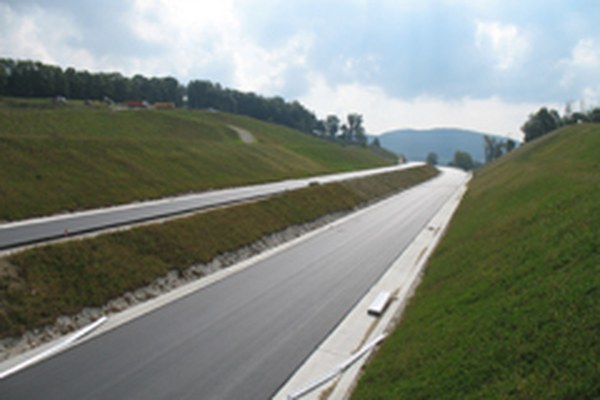
Transport, in particular by car and truck, is one of the main causes of climate change. In the Alpine countries transport accounts for more than 25 percent of the release of greenhouse gases and is of special importance in the increase of these gases since 1990. A wrong development, running counter to the political objective to reduce exhaust emissions. In the Alps, the percentage of journeys made by car is higher than European average.

News on Alpine Politics

A signal for climate protection
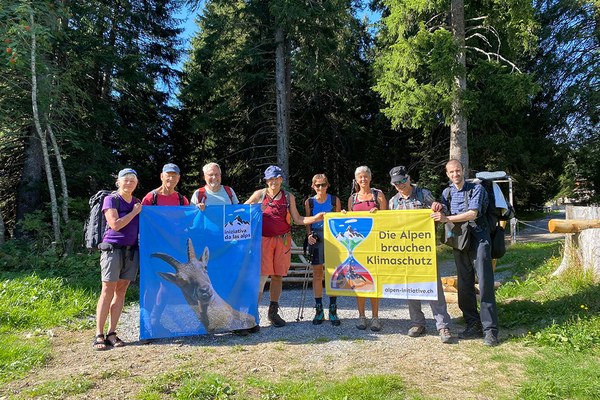
From Triglav National Park in Slovenia to Radnig in Austria and Gondo in Switzerland, on 13 August 2022 people came together to set an example for climate protection. This year’s «Fire in the Alps» was held under the motto «The Alps need climate protection».
Point of view: the excessive character of the Olympics
High construction costs, unused sports facilities, environmentally damaging large-scale projects: loud criticism continues to surround the staging of the 2026 Winter Olympics in Milan and Cortina/I. We must ask whether such sporting events still have a place in the Alps, says Vanda Bonardo, President of CIPRA Italy.
#alpinechangemaker wanted
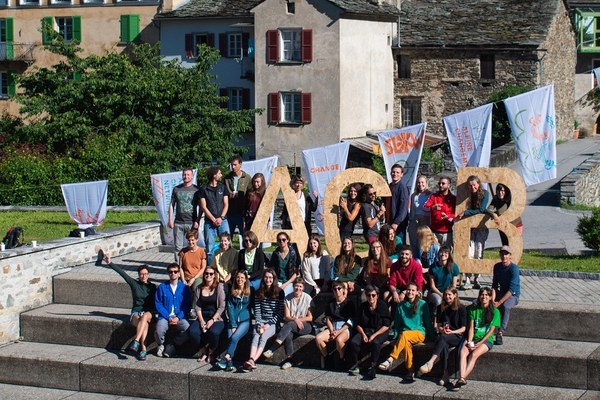
Projects for a good life in the Alps: highly motivated people from the Alpine region can apply until 15 May with ideas for the “Alpine Changemaker Basecamp” (ACB). They can look forward to a transdisciplinary project week, exchanges with like-minded people and a one-year mentoring programme.
Truck promotion instead of ecology
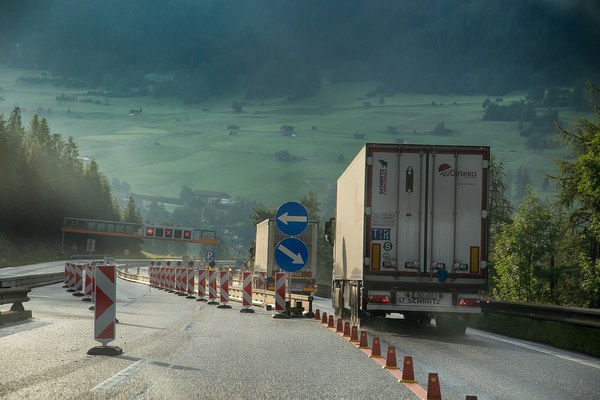
The European Parliament has shown no understanding. Even the last rescue attempts by three parliamentarians were shot down. The new toll regulation for road haulage on European motorways will lead to the one-sided promotion of hydrogen and electric engines. This will lead to a massive disadvantage for freight transport by rail and to even more trucks.

Point of view of CIPRA

Point of view: For glaciers without a circus
The largest glacier ski resort in the Alps is to be built in Tyrol, Austria - on already melting glaciers. The planned connection of the ski areas in Pitztal and Ötztal goes against all reason, says Kaspar Schuler, Co-Manager of CIPRA International.
Point of view: Equal opportunities for trains and trucks!
224 million tonnes of goods rolled through the Alps last year, a new record – more than two thirds of it on trucks. To decrease the pressure on nature and humans along the transit axes, railways and roads have be on the same level playing field, says Jakob Dietachmair, Project Manager at CIPRA International.
Point of view: Europe and its Alps
The fundamental question facing the direct elections to the European Parliament in May 2019 is: hat is the outlook – in Europe and in the Alps – for democracy and “good governance”? Erwin Rothgang, Vice-President of CIPRA International, argues for new forms of co-operation.