Act now to protect forests: sign the #HandsOffNature petition!

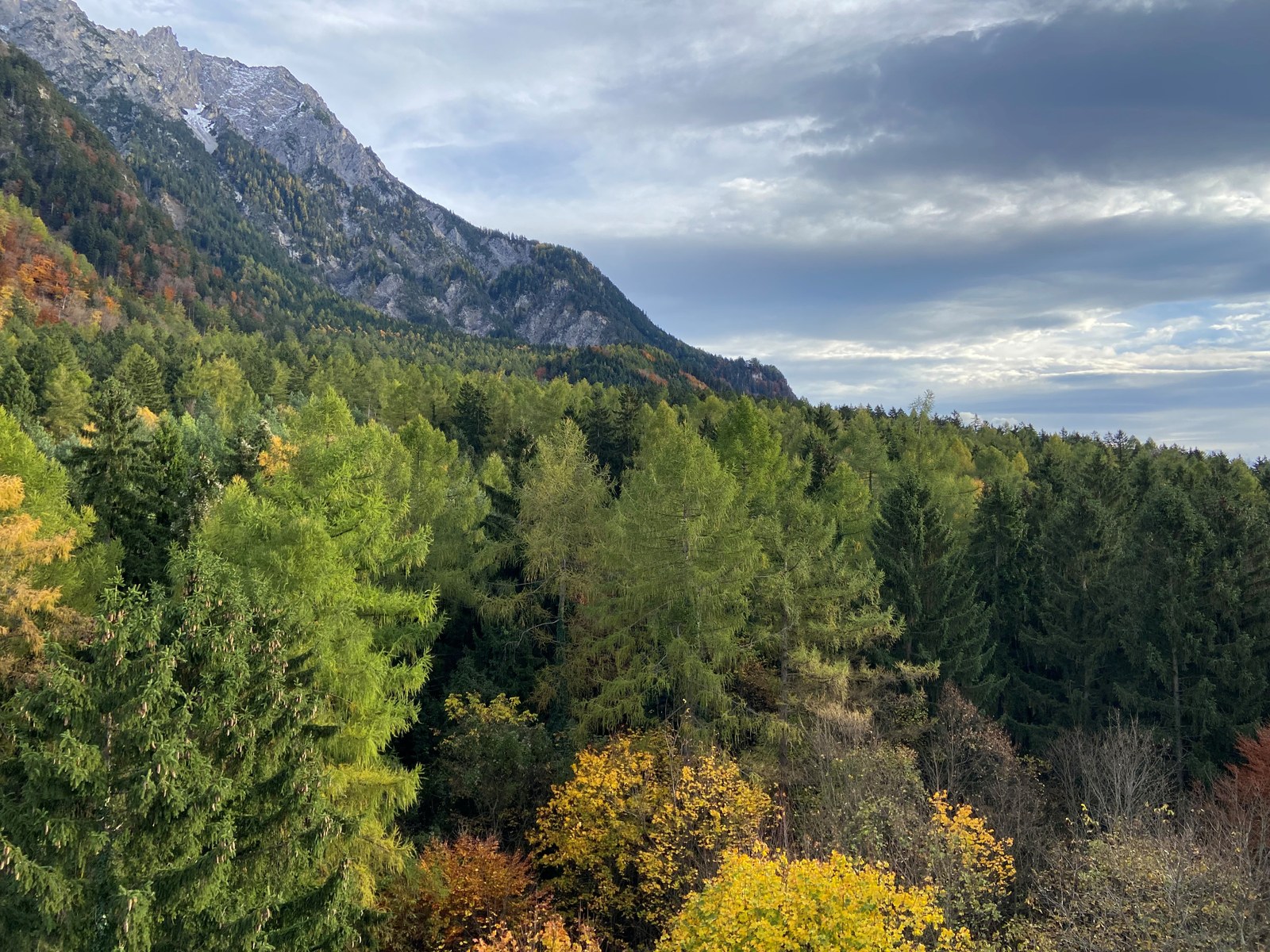
More than 40 percent of the Alpine region is covered by forests. They are not only a defining feature of the landscape, but also a cornerstone of Alpine livelihood, providing building materials, supporting biodiversity, and delivering essential ecosystem services.

CIPRA International

Do you want to know more about CIPRA International? Click here!

More articles

Pyrenean ski resort to be revived
The Municipality of Vielha in the Spanish Pyrenees has given the go-ahead for the construction of more than 500 apartments and 1,700 parking spaces in the ski resort of La Tuca. The resort was forced to shut down in 1989 as the lack of snow meant it was no longer viable. But now the ski resort is to be brought back to life with the new project.
New publication on freight traffic transiting through the Alpine region
(6.6.2007) A new book entitled "SWOMM - Scientific Workshop on Mountain Mobility and Transport" published as part of the Interreg IIIB project AlpFRail summarises the results of the international workshops SWOMM 2005 and SWOMM 2006.
The Alps ideal for generating solar power
According to a study by the EU research laboratory for the environment in Ispra/I the profitability ratings for solar power installations in Alpine regions are similar to those of solar installations in southernmost Spain. Solar irradiance in the hills and mountains of Austria for example reaches an intensity of up to 2,000 kilowatt-hours per square metre.
Is sustainability marketable in the winter-sports industry?
The aim of the SkiSustain research project is to help create efficient and sustainable business models for ski resorts in the face of climate change and socio-economic changes. Its researchers are looking at ways of developing sustainability as a marketable product and as unique selling propositions for skiing destinations. One product under consideration is a customer-oriented benchmarking which would serve as a guide to snow-sports enthusiasts when selecting the ski resorts of their choice.

Events

  • 2026-03-23T00:00:00+01:00
  • 2026-03-27T23:59:59+01:00
Mar 23, 2026 - Mar 27, 2026
Youth Parliament to the Alpine Convention: Climate Resilient Development
  • 2026-03-24T00:00:00+01:00
  • 2026-03-27T23:59:59+01:00
  • Ljubljana
Mar 24, 2026 - Mar 27, 2026
The Better-Cities Event Ljubljana
  • 2026-04-07T00:00:00+02:00
  • 2026-04-17T23:59:59+02:00
  • online
Apr 07, 2026 - Apr 17, 2026
Local Peaks, Global Learning online
  • 2026-04-21T00:00:00+02:00
  • 2026-04-23T23:59:59+02:00
  • MUCEM, Marseille/France
Apr 21, 2026 - Apr 23, 2026
Transhumance as Intangible Cultural Heritage of Humanity: A Way Forward? MUCEM, Marseille/France
  • 2026-04-22T00:00:00+02:00
  • 2026-04-23T23:59:59+02:00
  • Vienna/Austria
Apr 22, 2026 - Apr 23, 2026
Growing alternative crops for new market opportunities in a changing climate Vienna/Austria

Projects & activities

whatsalps youth
whatsalps youth
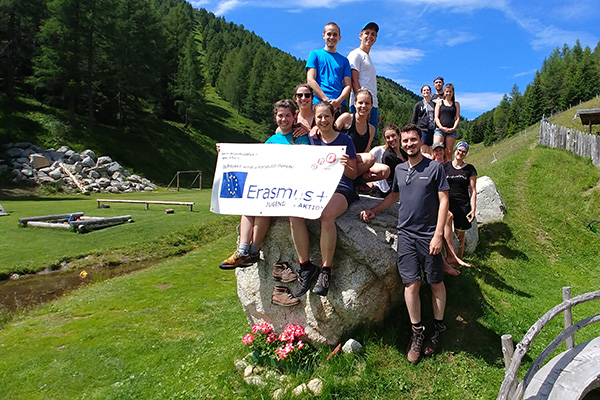
[Project completed] Many young people spend most of their time indoors, sit in front of the TV or the computer. The "whatsalp youth"-project lured them out. The CIPRA Youth Council, together with CIPRA International and other project partners, was implementing it.
Worthwild
Worthwild
[Project completed] Only minimally impacted by human intervention, areas with limited infrastructural development in the Alps provide European societies with a wide range of ecosystem services, such as the conservation of biodiversity and climate regulation.
AlpInnoCT
AlpInnoCT
[Project completed] The Alps are a sensitive ecosystem that has to be protected from pollutant emissions and climate change. The alpine road freight transport has enormous ecological and sociocultural effects on the alpine habitat. Most actors such as forwarders, port operators, administrations and consumers, are aware of these negative effects and they are working on their own technical or regulatory solutions. However, a constructive and participatory dialogue between all involved actors, in order to promote sustainable freight transport within the Alps, has not been established so far.