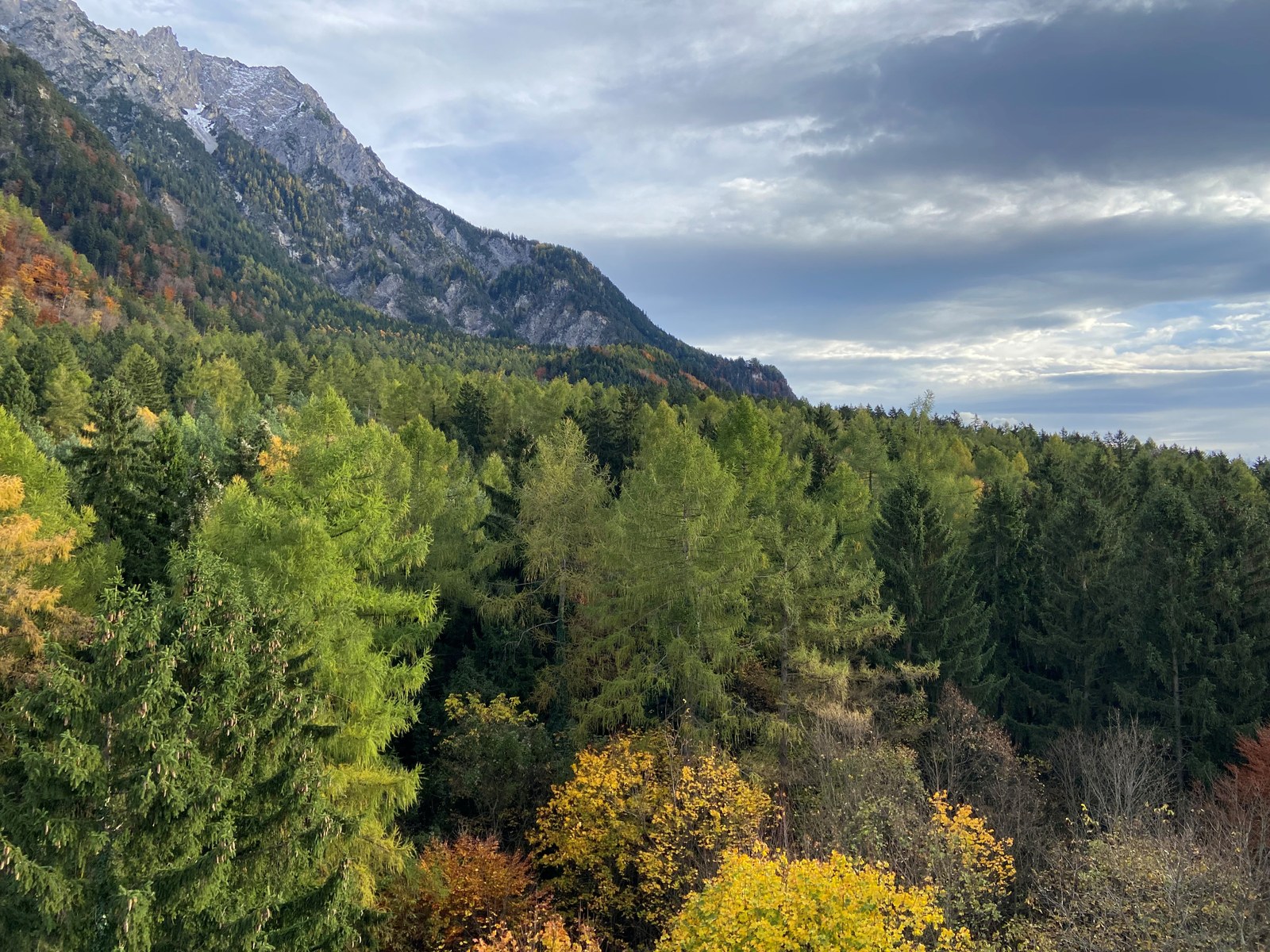
Act now to protect forests: sign the #HandsOffNature petition!

More than 40 percent of the Alpine region is covered by forests. They are not only a defining feature of the landscape, but also a cornerstone of Alpine livelihood, providing building materials, supporting biodiversity, and delivering essential ecosystem services.

CIPRA International

Do you want to know more about CIPRA International? Click here!

More articles

New publications: Risk management and 100 years of Géographie Alpine
The five chapters of the current edition of the Revue de Géographie Alpine look at risk management systems of urban alpine areas as well as early warning systems and crisis management strategies at regional policy level.
Nature abhors a border
Nature in the Alps should be networked more effectively; to this end, the hindrances that stand in the way of animal migration and the spread of vegetation and plants should be made more permeable. Four alpine-wide network organisations are aiming to create an "ecological continuum" in the Alps. The preliminary project has just been given the go-ahead.
Dust cover speeds up snowmelt
A new study reveals that dust blown hundreds of kilometres by the wind from erosion zones or dry regions is capable of speeding up the snowmelt in the mountains of Colorado/USA by around one month. Researchers at the National Snow and Ice Data Center in Boulder were surprised not by the fact that the dust-covered snow cover was found to melt more quickly but by the extent to which this occurred in measurements and simulations.
An outgoing airport for the Allgäu
In the view of the project's initiators the opening of the Memmingerberg regional airport in the Allgäu/D on 28 June represents the "opportunity of the century". Bavaria subsidised the project to the tune of €7.3 m, with total investments amounting to €20 m.

Events

  • 2026-03-23T00:00:00+01:00
  • 2026-03-27T23:59:59+01:00
Mar 23, 2026 - Mar 27, 2026
Youth Parliament to the Alpine Convention: Climate Resilient Development
  • 2026-03-24T00:00:00+01:00
  • 2026-03-27T23:59:59+01:00
  • Ljubljana
Mar 24, 2026 - Mar 27, 2026
The Better-Cities Event Ljubljana
  • 2026-04-07T00:00:00+02:00
  • 2026-04-17T23:59:59+02:00
  • online
Apr 07, 2026 - Apr 17, 2026
Local Peaks, Global Learning online
  • 2026-04-21T00:00:00+02:00
  • 2026-04-23T23:59:59+02:00
  • MUCEM, Marseille/France
Apr 21, 2026 - Apr 23, 2026
Transhumance as Intangible Cultural Heritage of Humanity: A Way Forward? MUCEM, Marseille/France
  • 2026-04-22T00:00:00+02:00
  • 2026-04-23T23:59:59+02:00
  • Vienna/Austria
Apr 22, 2026 - Apr 23, 2026
Growing alternative crops for new market opportunities in a changing climate Vienna/Austria

Projects & activities

AlpES
AlpES
[Project completed] Ecosystems and their services go beyond national borders and need a transnational approach for their dynamic protection, sustainable use, management and risk prevention. As a basis for joint action, public authorities, policy makers, NGOs, researchers and economic actors – the AlpES target groups – need a common understanding of ecosystem services, comparable information on their status and support in using appropriate tools for integrating them in their fields of work.

SPARE – Alpine rivers as society’s lifelines
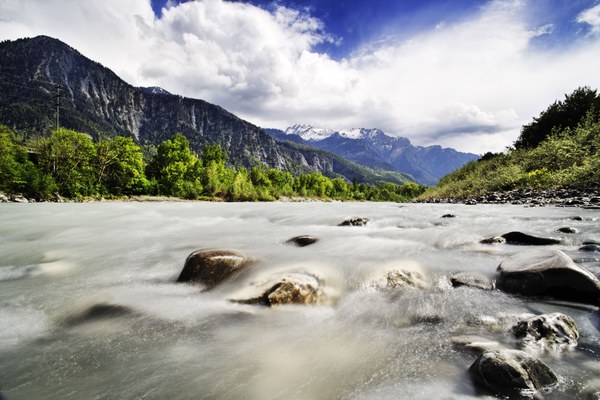
[Project completed] What is the state of the Alpine rivers? How can we bring those responsible and other interested parties to committing themselves to holistic river management? The SPARE project strives to answer these and other questions.
I-LivAlps
I-LivAlps
[Project completed] Youth participation as tool to fight the demographical change threatening the Alps - this was the topic of the project “I-LivAlps: LivingLabs with young people in the Alps”. The motor of the process were active, skilled, engaged young people, coordinatet by competent youth leaders and a stable and efficient international network able to foster local activities at the national level in order to anchor youth participation. 36 participants from 6 alpine countries, aged between 15 and 30 years, with different cultural and educational backgrounds were working together with national NGOs to get new skills to become proactive in their community.