Act now to protect forests: sign the #HandsOffNature petition!

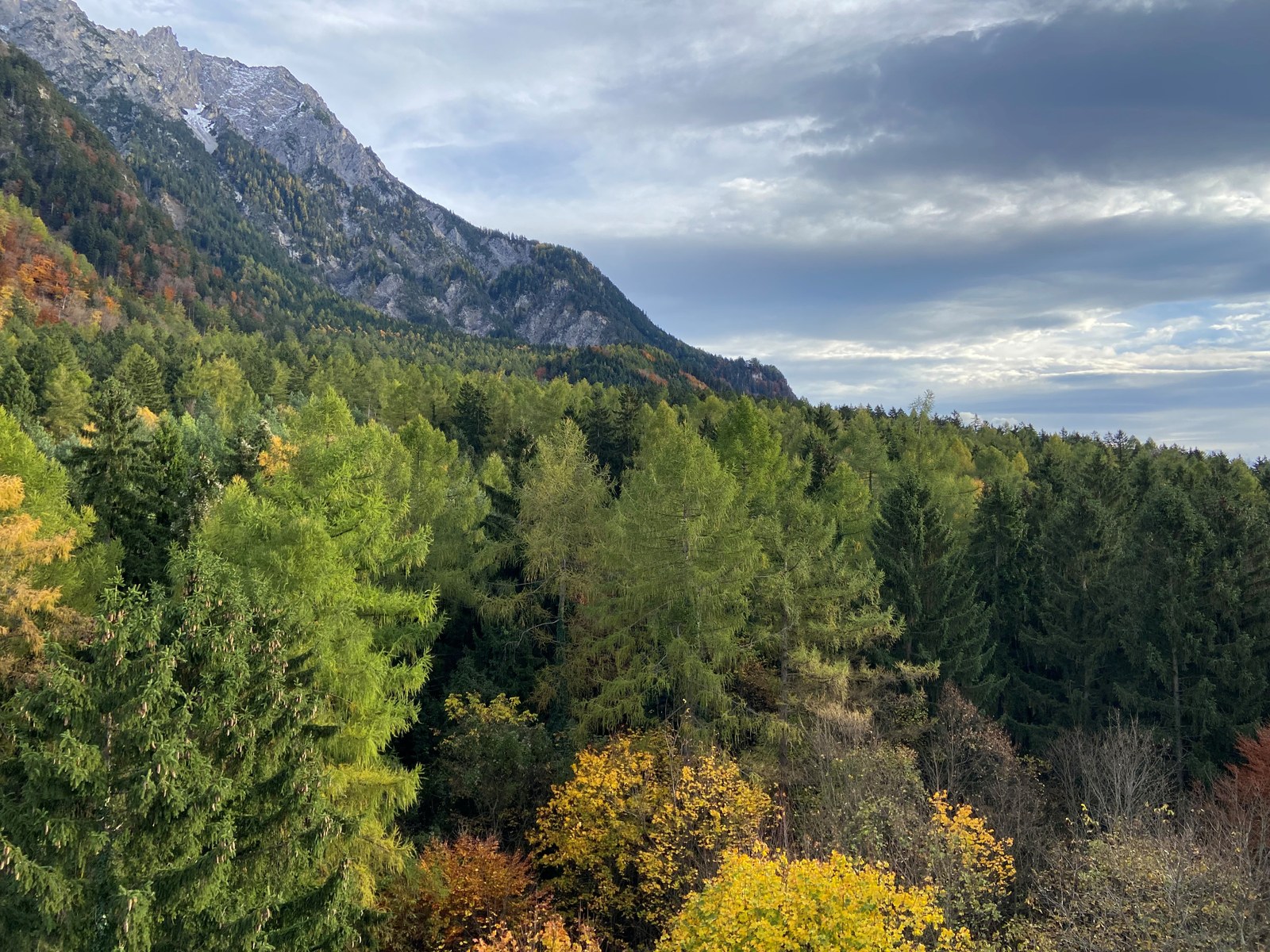
More than 40 percent of the Alpine region is covered by forests. They are not only a defining feature of the landscape, but also a cornerstone of Alpine livelihood, providing building materials, supporting biodiversity, and delivering essential ecosystem services.

CIPRA International

Do you want to know more about CIPRA International? Click here!

More articles

Indicators on evaluating the progress of the Alpine ecological network
The establishment of the Alpine Ecological Network is a long process. In order to evaluate the progress, the Platform Ecological Network of the Alpine Convention has developed a set of indicators.
Econnect's drive living on in recharge.green
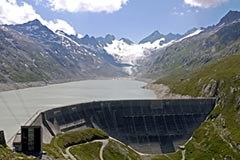
Ecological connectivity in the Alps can only be maintained if the production of renewable energy is managed in line with nature protection. Some of the Econnect partners seized the opportunity given by the last call of the Alpine Space Programme to work out a project on this issue. They were successful and "recharge.green" is about to start on 1st October.
Northeast Asia inspired by the Alpine Ecological Network
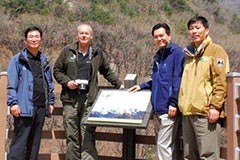
In South Korea, China and Japan activities have been started in favour of ecological connectivity. The major protected areas of these countries, the Ministry for environment of South Korea and other key stakeholders have been convinced by the importance of connected habitats thanks to the successful initiatives in the Alps.
The French ecological network becomes regional
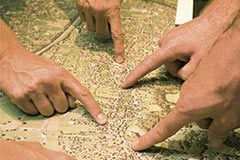
The main aim of the French "Green and Blue Infrastructure" ("Trame Verte et Bleue" - TVB) is to stop biodiversity loss. The ecological network is in addition a powerful tool for spatial planning. The two Alpine regions Rhône-Alpes and Provence-Alpes-Côte-d'Azur have started to set up this new planning tool.

Events

  • 2026-03-23T00:00:00+01:00
  • 2026-03-27T23:59:59+01:00
Mar 23, 2026 - Mar 27, 2026
Youth Parliament to the Alpine Convention: Climate Resilient Development
  • 2026-03-24T00:00:00+01:00
  • 2026-03-27T23:59:59+01:00
  • Ljubljana
Mar 24, 2026 - Mar 27, 2026
The Better-Cities Event Ljubljana
  • 2026-04-07T00:00:00+02:00
  • 2026-04-17T23:59:59+02:00
  • online
Apr 07, 2026 - Apr 17, 2026
Local Peaks, Global Learning online
  • 2026-04-21T00:00:00+02:00
  • 2026-04-23T23:59:59+02:00
  • MUCEM, Marseille/France
Apr 21, 2026 - Apr 23, 2026
Transhumance as Intangible Cultural Heritage of Humanity: A Way Forward? MUCEM, Marseille/France
  • 2026-04-22T00:00:00+02:00
  • 2026-04-23T23:59:59+02:00
  • Vienna/Austria
Apr 22, 2026 - Apr 23, 2026
Growing alternative crops for new market opportunities in a changing climate Vienna/Austria

Projects & activities

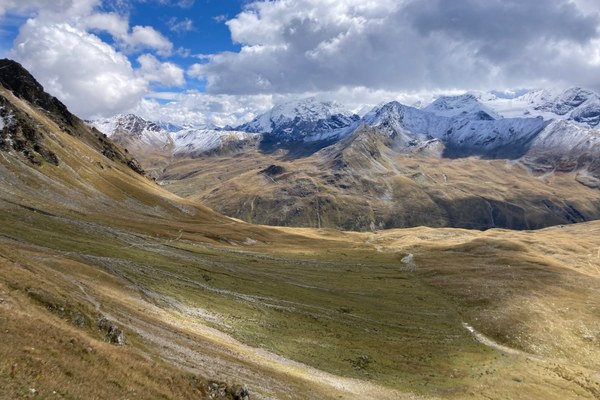
AlpsLife – observe globally, act locally
The successful protection of biodiversity in the Alps is only sustainable through Alpine-wide monitoring and management. This is the aim of the AlpsLife project.
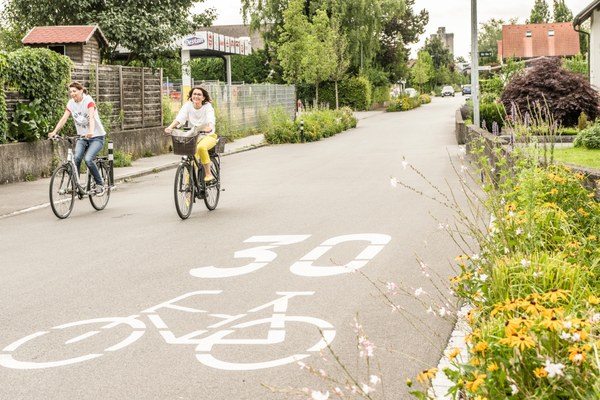
Climate-friendly streetscapes
Whether travelling by car, public transport, bicycle or on foot, roads and their immediate surroundings are probably the most important part of our daily journeys. Against the backdrop of the climate crisis, they can become a problem because they increase the heat island effect and seal the ground. The project, based in the Alpine Rhine Valley, aims to make road spaces fair, climate-friendly and health-promoting.
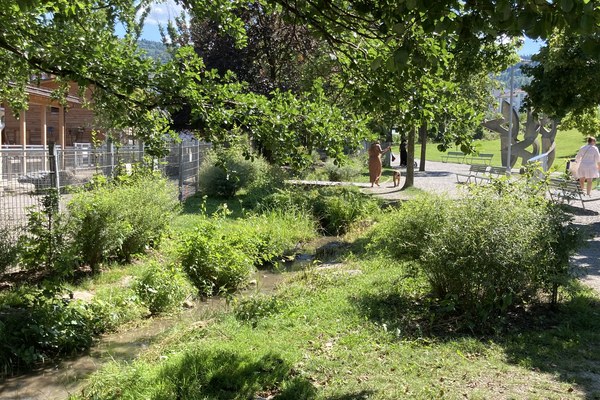
Nature-based solutions and their governance structures in the Alpine region
In view of the global challenges of climate change and biodiversity loss, the use of nature-based solutions (NbS) is becoming increasingly important. On behalf of the German Federal Environment Agency, ifuplan (lead) and CIPRA International are preparing a report on “Nature-based solutions and governance structures in the Alpine region”. The aim of the report is to analyse the potential of various NbS in the Alpine region and the governance mechanisms behind them that ensure their success. Based on this, their transferability to other Alpine regions will be analysed and recommendations for action formulated.