Act now to protect forests: sign the #HandsOffNature petition!

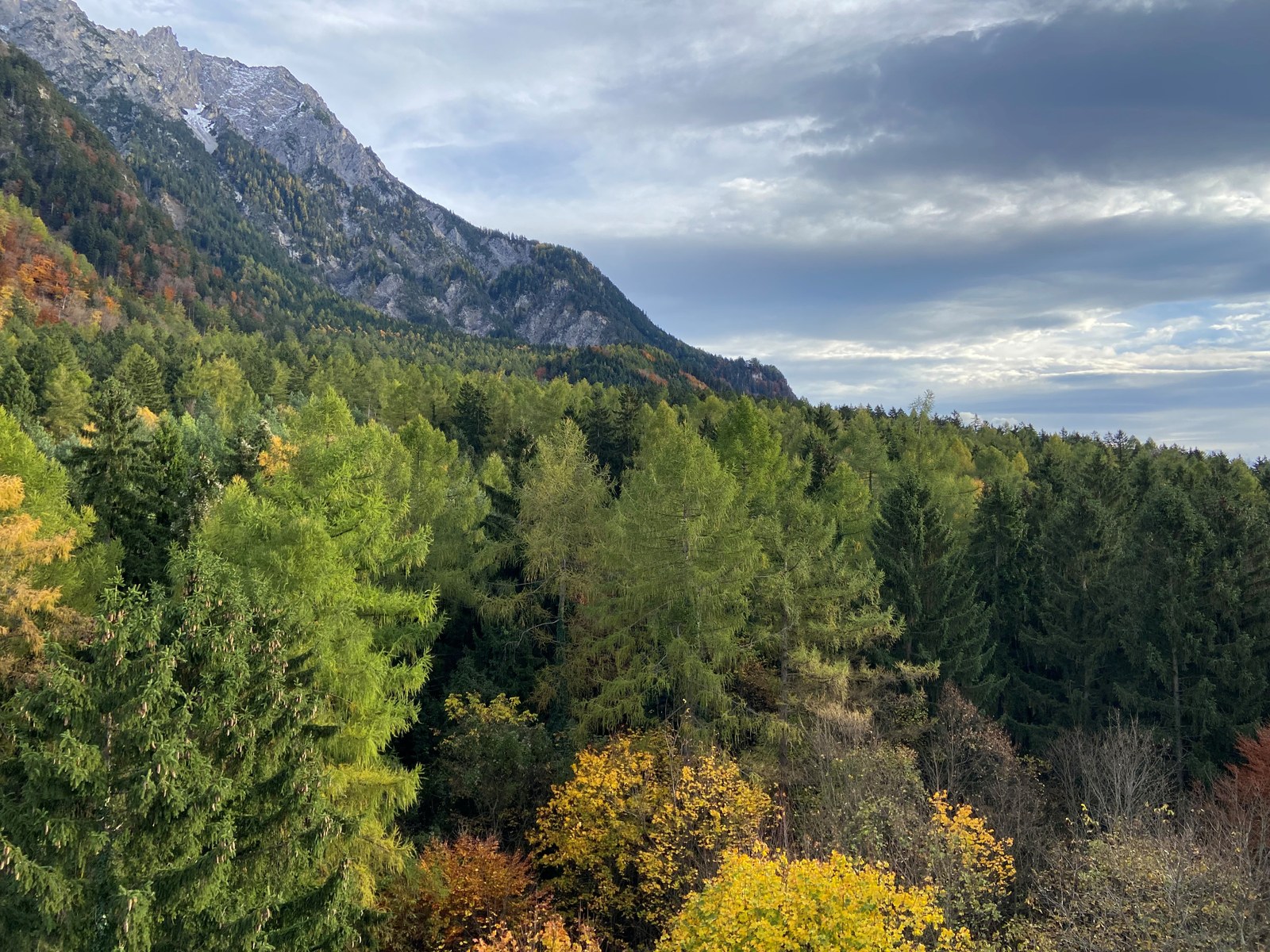
More than 40 percent of the Alpine region is covered by forests. They are not only a defining feature of the landscape, but also a cornerstone of Alpine livelihood, providing building materials, supporting biodiversity, and delivering essential ecosystem services.

CIPRA International

Do you want to know more about CIPRA International? Click here!

More articles

Launch of the International Connectivity Conservation Network
Connecting habitats around the world requires the commitment of a great number of individuals. To help these persons in their work, the World Commission on Protected Areas has established the International Connectivity Conservation Network.
Alps and beyond: better corridors towards the Carpathians and the Mediterranean region
Ecological networks are important within certain geographical areas, such as the Alps, and also with neighbouring regions. Several projects are working to ensure that the Alps are better connected with their surroundings. Major steps have been undertaken in the Alps-Carpathians corridor and in the area connecting the Alps with the Mediterranean region.
Natural forests for woodpeckers, beetles and bats
The new Austrian project, "Network Natural Forests", intends to contribute to the protection of biodiversity by connecting its forest habitats via two elements: close-to-nature stepping stones and the co-operation of different protected areas.
Nature-friendly tourism and connected habitats in the Rhaetian Triangle
Supporting the implementation of an ecological network continues to be a major issue in the Swiss region of the Lower Engadine. The new "Colliar" project intends to improve co-operation on regional initiatives by different sectors.

Events

  • 2026-03-23T00:00:00+01:00
  • 2026-03-27T23:59:59+01:00
Mar 23, 2026 - Mar 27, 2026
Youth Parliament to the Alpine Convention: Climate Resilient Development
  • 2026-03-24T00:00:00+01:00
  • 2026-03-27T23:59:59+01:00
  • Ljubljana
Mar 24, 2026 - Mar 27, 2026
The Better-Cities Event Ljubljana
  • 2026-04-07T00:00:00+02:00
  • 2026-04-17T23:59:59+02:00
  • online
Apr 07, 2026 - Apr 17, 2026
Local Peaks, Global Learning online
  • 2026-04-21T00:00:00+02:00
  • 2026-04-23T23:59:59+02:00
  • MUCEM, Marseille/France
Apr 21, 2026 - Apr 23, 2026
Transhumance as Intangible Cultural Heritage of Humanity: A Way Forward? MUCEM, Marseille/France
  • 2026-04-22T00:00:00+02:00
  • 2026-04-23T23:59:59+02:00
  • Vienna/Austria
Apr 22, 2026 - Apr 23, 2026
Growing alternative crops for new market opportunities in a changing climate Vienna/Austria

Projects & activities

Alpine Partnership for Local Climate Action (ALPACA)
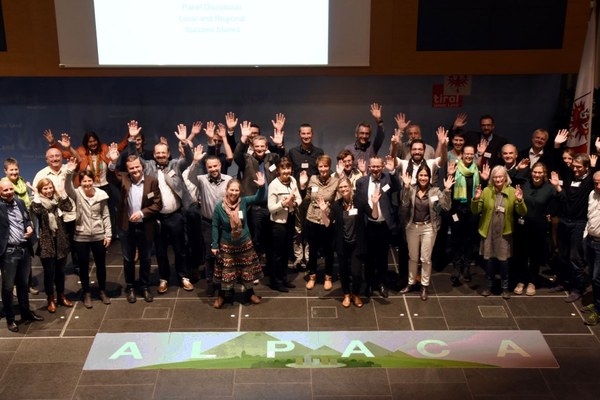
[Project completed] Rising temperatures, rockfalls, lack of snow: global warming is clearly noticeable in the Alpine region. The «Alpine Partnership for Local Climate Action» has the intention to bring together cities, municipalities and networks in order to work together for more climate protection. With this initiative, CIPRA International, «Alliance in the Alps» and «Alpine Town of the Year» want to strengthen the transregional exchange of knowledge and experience. The goal of positioning the Alps as a model region for climate protection is also in line with the Alpine Convention.
whatsalp
whatsalp
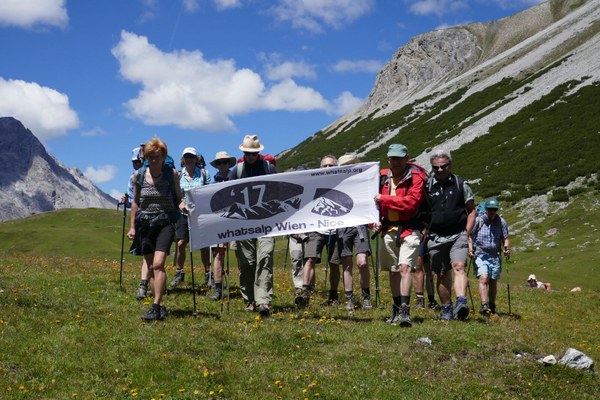
[Project completed] Starting 3rd of June 2017, a group of Alpine experts were hiking through Austria, Switzerland, France and Italy from Vienna to Nice in the course of the project “whatsalp”. They documented the current state of the Alps and exchanged experiences with different people on-site and on the way.
speciAlps
speciAlps
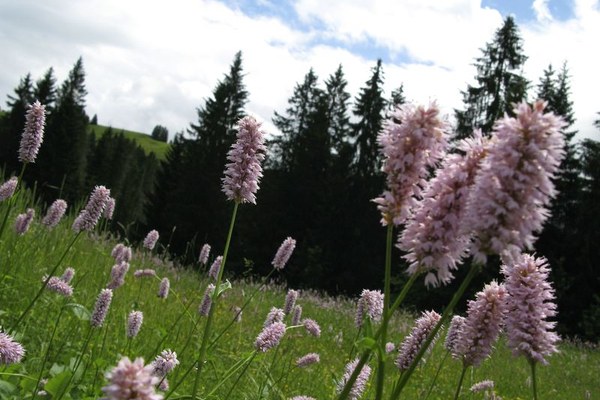
[Project completed] Grasslands, marshes, hedges, biotopes and woods are examples of natural treasures and biological diversity that are of great value to alpine regions and municipalities. Not only do they offer a habitat for plants and animals, but also humans value functioning natural areas for their attractiveness and the quality of life they offer. Nevertheless, –these areas have much more potential than we often realise and there is much more every municipality can do!