Act now to protect forests: sign the #HandsOffNature petition!

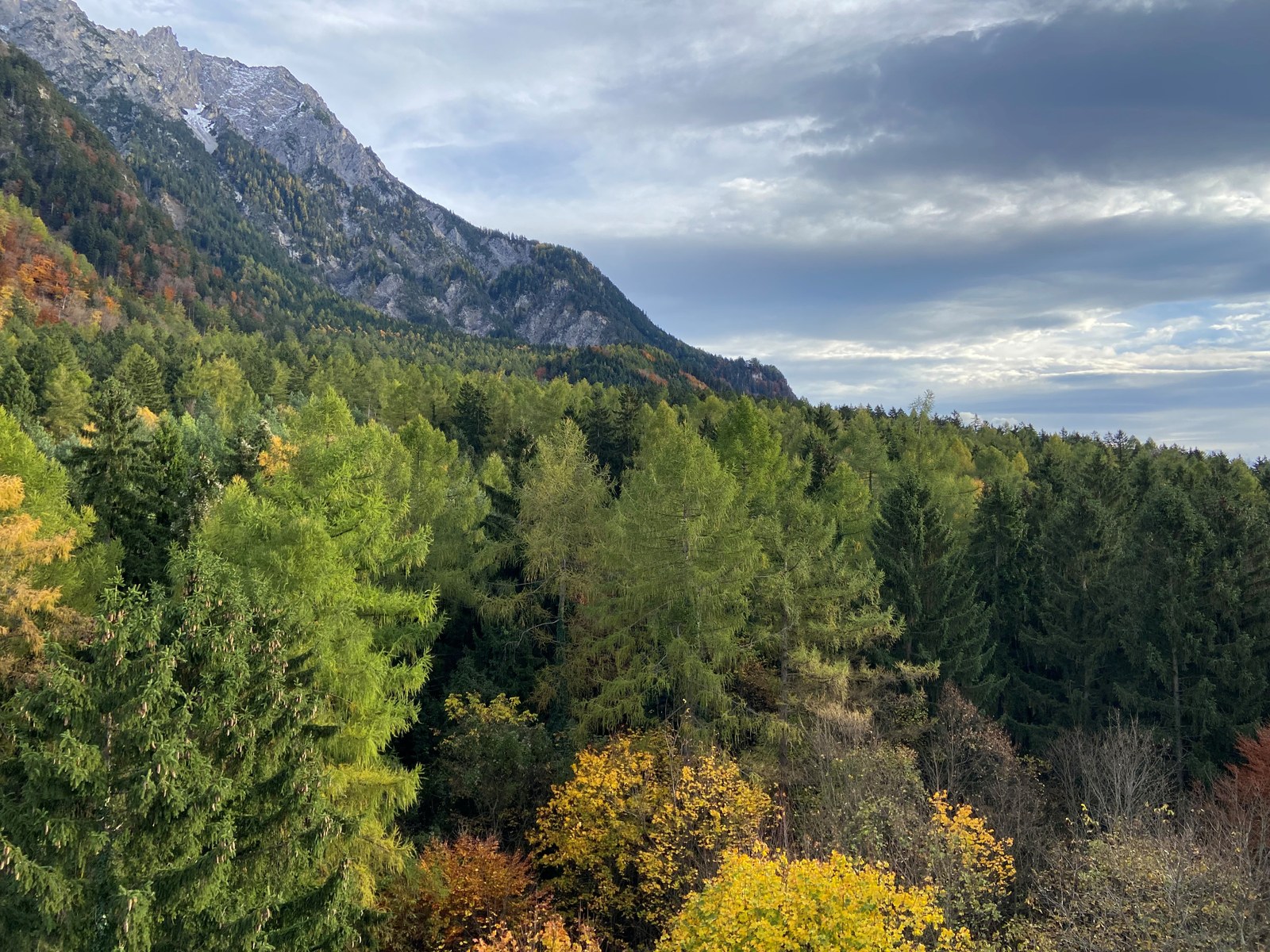
More than 40 percent of the Alpine region is covered by forests. They are not only a defining feature of the landscape, but also a cornerstone of Alpine livelihood, providing building materials, supporting biodiversity, and delivering essential ecosystem services.

CIPRA International

Do you want to know more about CIPRA International? Click here!

More articles

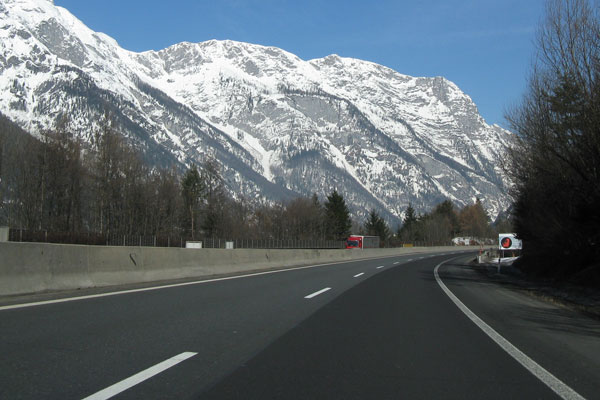
Italy sticks to the traffic protocol
Much was at stake, but finally the concerns regarding the validity of the traffic protocol have been dismissed. How a declaration on a declaration saved the principle at the heart of the Alpine Convention, but cannot exorcise the ghost of the Alemagna autobahn.
An Alpine Crossing Exchange is legally feasible
There are no legal obstacles to the introduction of an Alpine Crossing Exchange (ACE), provided the Alpine countries show the necessary political will. This is the conclusion reached by a study commissioned by the European Region Tyrol - South Tyrol - Trentino.
Point of view: who will fill the macro-regional Alpine house with life?
Just as in the building of a house, the inhabitants are the most important persons involved in the Alpine macro-region. But, eight weeks after the start of the process, states and regions have yet to indicate to the representatives of civil society whether they may contribute. R.S.V.P.
Why Sochi is not in the Alps
The idea of the Alps as a venue for the Winter Olympics is these days scarcely conceivable. CIPRA has now produced a review of the reasons underlying this, the experiences gained from the candidatures of Annecy, Salzburg, Munich and Graubünden (Grisons), and what remains of the Turin Games.

Events

  • 2026-03-23T00:00:00+01:00
  • 2026-03-27T23:59:59+01:00
Mar 23, 2026 - Mar 27, 2026
Youth Parliament to the Alpine Convention: Climate Resilient Development
  • 2026-03-24T00:00:00+01:00
  • 2026-03-27T23:59:59+01:00
  • Ljubljana
Mar 24, 2026 - Mar 27, 2026
The Better-Cities Event Ljubljana
  • 2026-04-07T00:00:00+02:00
  • 2026-04-17T23:59:59+02:00
  • online
Apr 07, 2026 - Apr 17, 2026
Local Peaks, Global Learning online
  • 2026-04-21T00:00:00+02:00
  • 2026-04-23T23:59:59+02:00
  • MUCEM, Marseille/France
Apr 21, 2026 - Apr 23, 2026
Transhumance as Intangible Cultural Heritage of Humanity: A Way Forward? MUCEM, Marseille/France
  • 2026-04-22T00:00:00+02:00
  • 2026-04-23T23:59:59+02:00
  • Vienna/Austria
Apr 22, 2026 - Apr 23, 2026
Growing alternative crops for new market opportunities in a changing climate Vienna/Austria

Projects & activities

AlpES
AlpES
[Project completed] Ecosystems and their services go beyond national borders and need a transnational approach for their dynamic protection, sustainable use, management and risk prevention. As a basis for joint action, public authorities, policy makers, NGOs, researchers and economic actors – the AlpES target groups – need a common understanding of ecosystem services, comparable information on their status and support in using appropriate tools for integrating them in their fields of work.

SPARE – Alpine rivers as society’s lifelines
[Project completed] What is the state of the Alpine rivers? How can we bring those responsible and other interested parties to committing themselves to holistic river management? The SPARE project strives to answer these and other questions.
I-LivAlps
I-LivAlps
[Project completed] Youth participation as tool to fight the demographical change threatening the Alps - this was the topic of the project “I-LivAlps: LivingLabs with young people in the Alps”. The motor of the process were active, skilled, engaged young people, coordinatet by competent youth leaders and a stable and efficient international network able to foster local activities at the national level in order to anchor youth participation. 36 participants from 6 alpine countries, aged between 15 and 30 years, with different cultural and educational backgrounds were working together with national NGOs to get new skills to become proactive in their community.