Act now to protect forests: sign the #HandsOffNature petition!

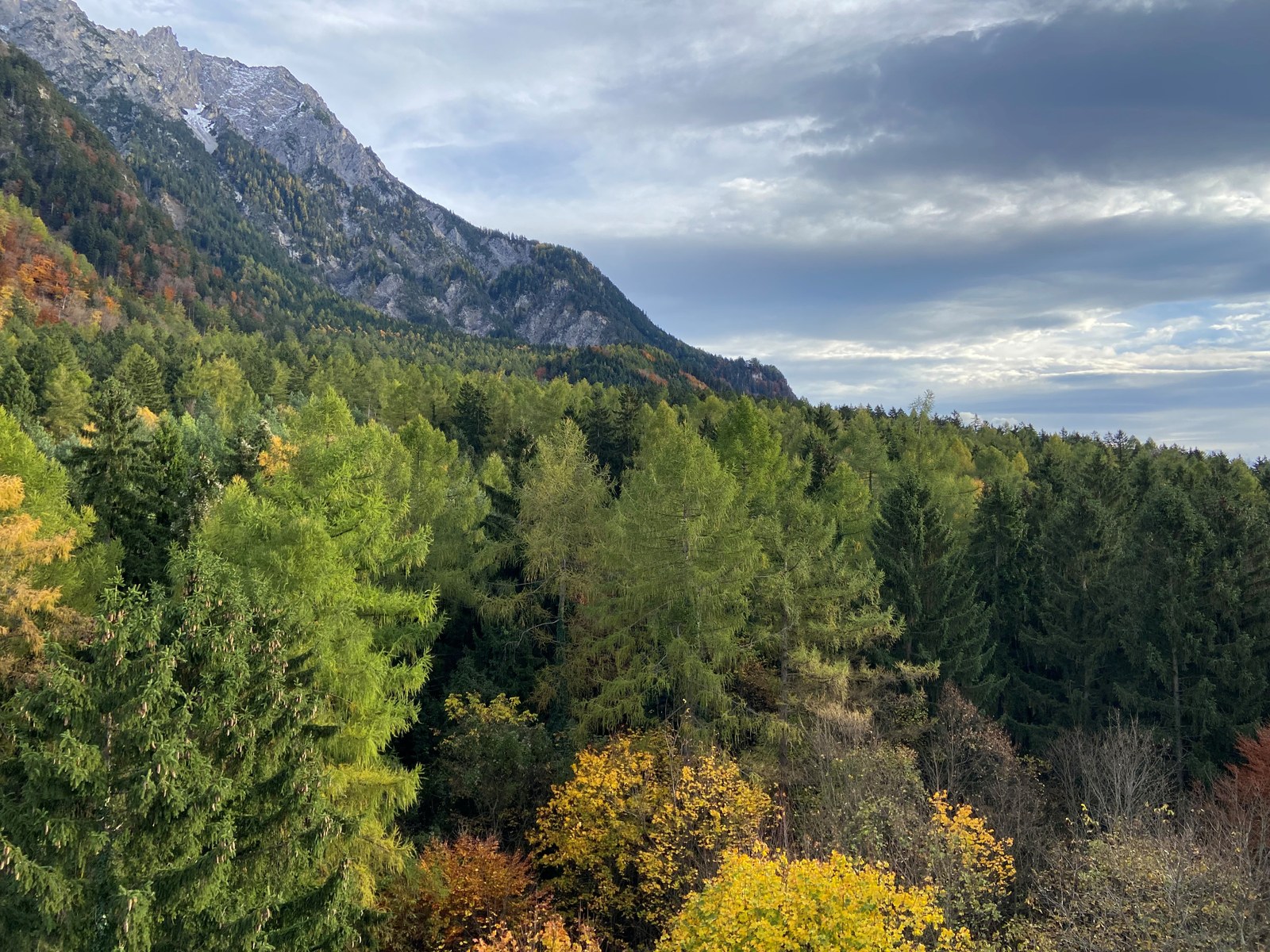
More than 40 percent of the Alpine region is covered by forests. They are not only a defining feature of the landscape, but also a cornerstone of Alpine livelihood, providing building materials, supporting biodiversity, and delivering essential ecosystem services.

CIPRA International

Do you want to know more about CIPRA International? Click here!

More articles

IPCC report: climate crisis in the Alps
According to the Intergovernmental Panel on Climate Change (IPCC), the effects of the climate crisis are greater than we thought: glaciers are melting in the Alps and there are more rockfalls and droughts. What else awaits the Alps? And how can we deal with it?
Alpine soils: allies in climate protection
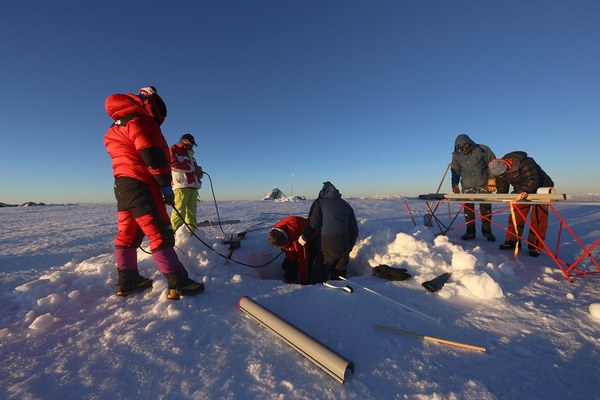
The soils of the Alps make a decisive contribution to climate protection. But intensive land use and rising temperatures are endangering them: not only are they losing their valuable function as carbon reservoirs, but they may even become a source of greenhouse gases themselves.
Waale, Suonen, Wasserleiten
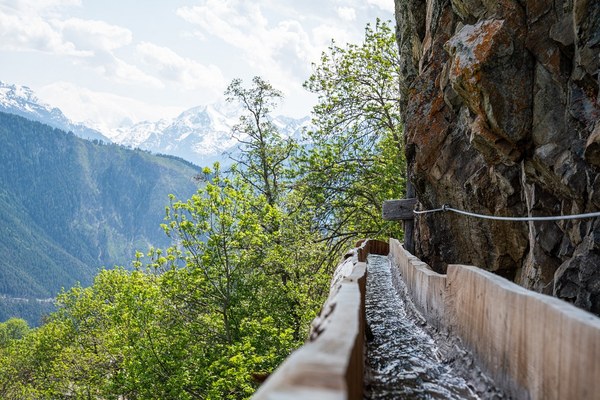
Vital for the cultural landscape and biodiversity, and the epitome of community resource management: an application to UNESCO aims to turn traditional irrigation practices into an intangible cultural heritage asset.
CIPRA celebrates 70 years of Alpine protection
Connecting people, overcoming borders, protecting the Alps: For 70 years CIPRA has been working for a good life in the Alps. What might the Alps of the future look like? On the occasion of its birthday on 5 May, CIPRA also takes a fresh look at itself and presents various visions of the future in the current SzeneAlpen themed issue "The Alps of Tomorrow".

Events

  • 2026-03-23T00:00:00+01:00
  • 2026-03-27T23:59:59+01:00
Mar 23, 2026 - Mar 27, 2026
Youth Parliament to the Alpine Convention: Climate Resilient Development
  • 2026-03-24T00:00:00+01:00
  • 2026-03-27T23:59:59+01:00
  • Ljubljana
Mar 24, 2026 - Mar 27, 2026
The Better-Cities Event Ljubljana
  • 2026-04-07T00:00:00+02:00
  • 2026-04-17T23:59:59+02:00
  • online
Apr 07, 2026 - Apr 17, 2026
Local Peaks, Global Learning online
  • 2026-04-21T00:00:00+02:00
  • 2026-04-23T23:59:59+02:00
  • MUCEM, Marseille/France
Apr 21, 2026 - Apr 23, 2026
Transhumance as Intangible Cultural Heritage of Humanity: A Way Forward? MUCEM, Marseille/France
  • 2026-04-22T00:00:00+02:00
  • 2026-04-23T23:59:59+02:00
  • Vienna/Austria
Apr 22, 2026 - Apr 23, 2026
Growing alternative crops for new market opportunities in a changing climate Vienna/Austria

Projects & activities

MountEE
MountEE
[Project completed]
Knowledge transfer on the co-adaptation of humans and wolves in the Alpine region
[Project completed] The return of large carnivores is increasingly causing the fronts to harden between different groups of stakeholders. Among the large carnivores returning to the Alps, the wolf is the most widespread and therefore the most widely debated animal. Wolves are synanthropic animals and cross boundaries - physical as well as intangible ones – regularly. Thus, they have been accompanying and influencing social and cultural processes since time immemorial. In this project, CIPRA has taken on the task to collect, analyse, make available and disseminate knowledge about the co-adaptation of humans and wolves throughout the Alps.

International Year of Mountains 2002
[Project completed]