Act now to protect forests: sign the #HandsOffNature petition!

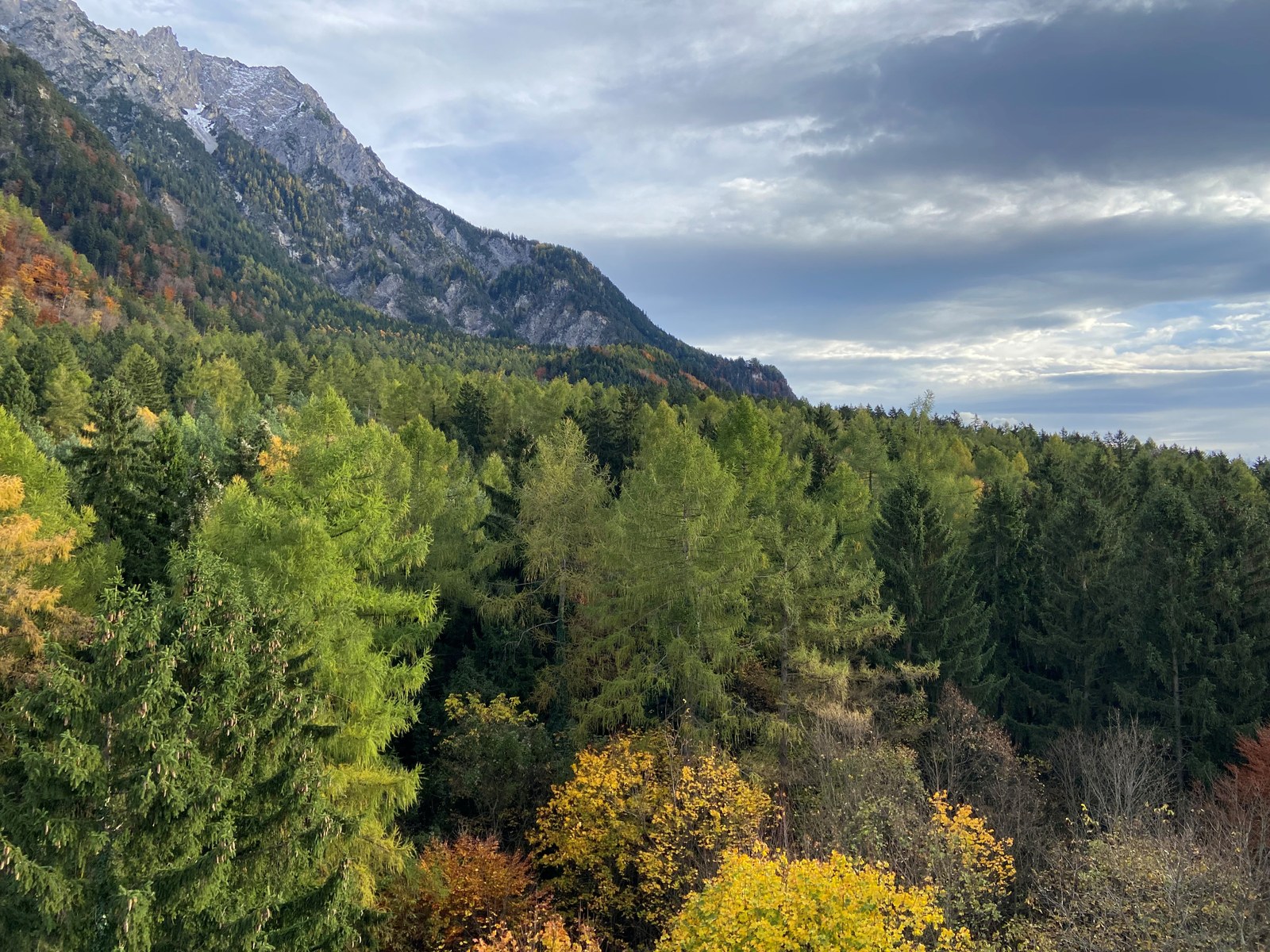
More than 40 percent of the Alpine region is covered by forests. They are not only a defining feature of the landscape, but also a cornerstone of Alpine livelihood, providing building materials, supporting biodiversity, and delivering essential ecosystem services.

CIPRA International

Do you want to know more about CIPRA International? Click here!

More articles

Alpine Policy 2023: the Slovenian-Swiss year
This year, Slovenia and Switzerland will play a decisive role in shaping international cooperation between states and regions in the Alps: Slovenia is taking over the presidency of the Alpine Convention, while Switzerland is the first non-EU country to chair the Eusalp, the EU Strategy for the Alpine Region.
Mountain forests and climate change
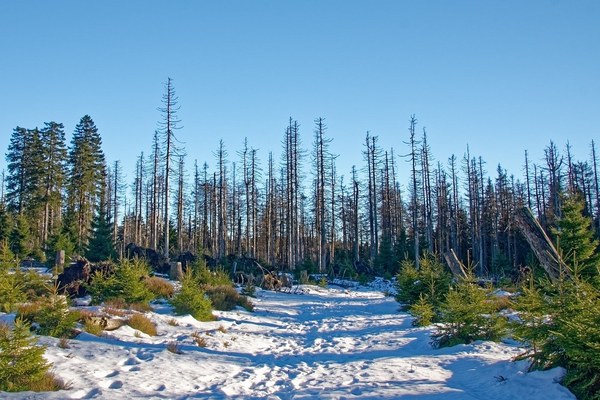
The consequences of climate change are also becoming apparent in the forests of the Alps. In South Tyrol/I and East Tyrol/A this year has seen an explosive spread of pests. What looks like frightening devastation might present a long-term opportunity, however.
Unsuitable landscapes for energy production
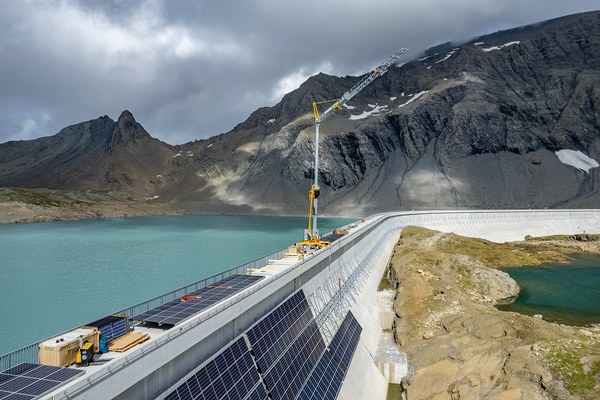
The results of a recent survey from Switzerland are clear: no to energy production in almost unspoilt mountain areas. Intensively used areas around ski resorts or existing power plants would be better suited to the expansion of renewable energy.
Visitor flows under control
More and more people are travelling to the mountains – and staying for shorter and shorter periods. This causes traffic and environmental problems. Pilot regions in Italy, Austria, Slovenia and Germany want to change that. With the speciAlps2 project, which is now coming to an end, they have taken the first steps to manage the flow of visitors.

Events

  • 2026-03-23T00:00:00+01:00
  • 2026-03-27T23:59:59+01:00
Mar 23, 2026 - Mar 27, 2026
Youth Parliament to the Alpine Convention: Climate Resilient Development
  • 2026-03-24T00:00:00+01:00
  • 2026-03-27T23:59:59+01:00
  • Ljubljana
Mar 24, 2026 - Mar 27, 2026
The Better-Cities Event Ljubljana
  • 2026-04-07T00:00:00+02:00
  • 2026-04-17T23:59:59+02:00
  • online
Apr 07, 2026 - Apr 17, 2026
Local Peaks, Global Learning online
  • 2026-04-21T00:00:00+02:00
  • 2026-04-23T23:59:59+02:00
  • MUCEM, Marseille/France
Apr 21, 2026 - Apr 23, 2026
Transhumance as Intangible Cultural Heritage of Humanity: A Way Forward? MUCEM, Marseille/France
  • 2026-04-22T00:00:00+02:00
  • 2026-04-23T23:59:59+02:00
  • Vienna/Austria
Apr 22, 2026 - Apr 23, 2026
Growing alternative crops for new market opportunities in a changing climate Vienna/Austria

Projects & activities

whatsalps youth
whatsalps youth
[Project completed] Many young people spend most of their time indoors, sit in front of the TV or the computer. The "whatsalp youth"-project lured them out. The CIPRA Youth Council, together with CIPRA International and other project partners, was implementing it.
Worthwild
Worthwild
[Project completed] Only minimally impacted by human intervention, areas with limited infrastructural development in the Alps provide European societies with a wide range of ecosystem services, such as the conservation of biodiversity and climate regulation.
AlpInnoCT
AlpInnoCT
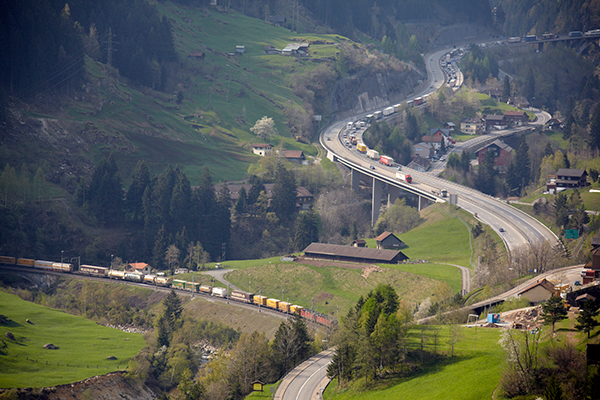
[Project completed] The Alps are a sensitive ecosystem that has to be protected from pollutant emissions and climate change. The alpine road freight transport has enormous ecological and sociocultural effects on the alpine habitat. Most actors such as forwarders, port operators, administrations and consumers, are aware of these negative effects and they are working on their own technical or regulatory solutions. However, a constructive and participatory dialogue between all involved actors, in order to promote sustainable freight transport within the Alps, has not been established so far.