
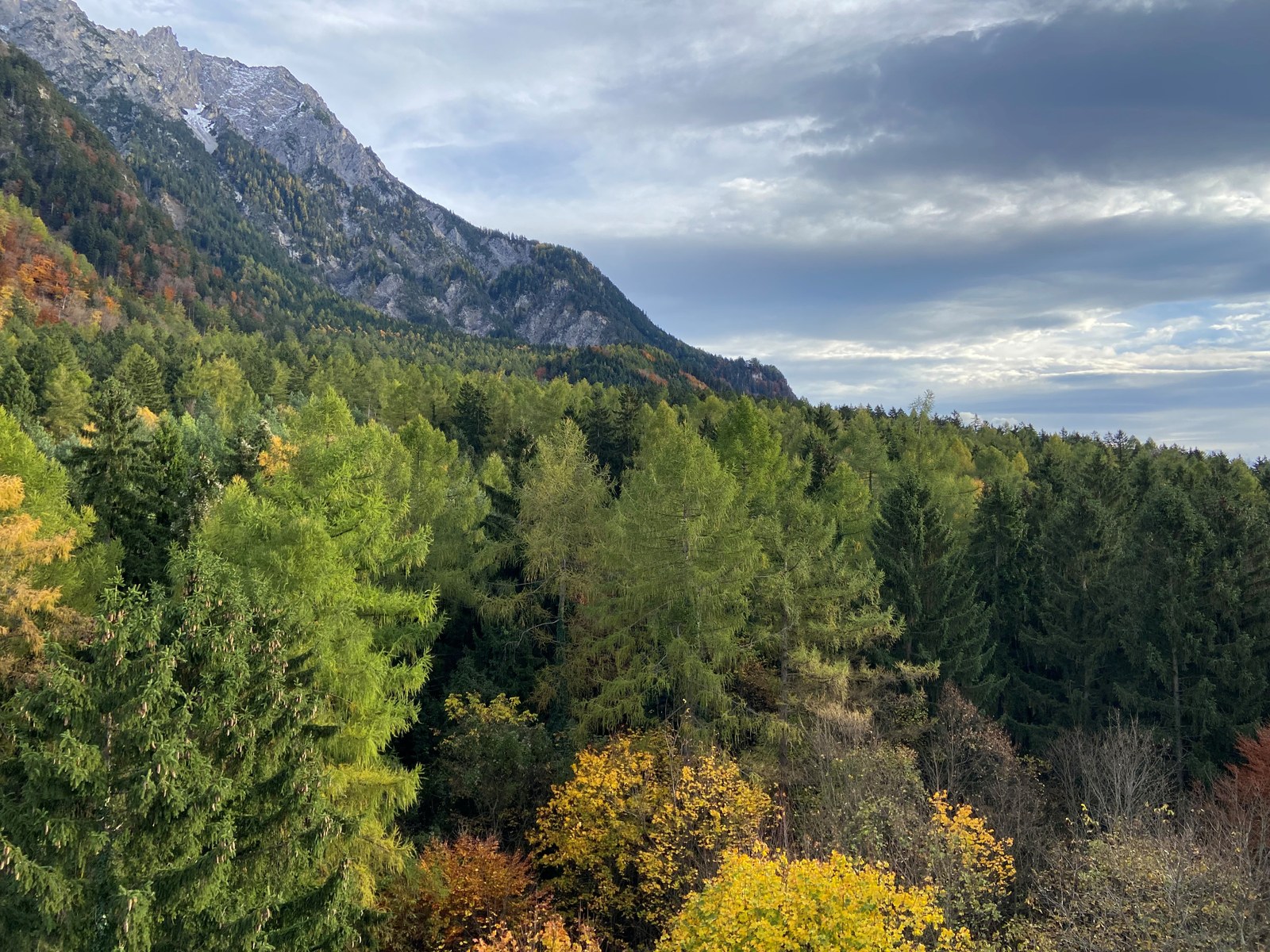
Act now to protect forests: sign the #HandsOffNature petition!
More than 40 percent of the Alpine region is covered by forests. They are not only a defining feature of the landscape, but also a cornerstone of Alpine livelihood, providing building materials, supporting biodiversity, and delivering essential ecosystem services.
CIPRA Germany

Would you like to find out more about CIPRA's country representative in Germany? Click here!
More news
CIPRA International
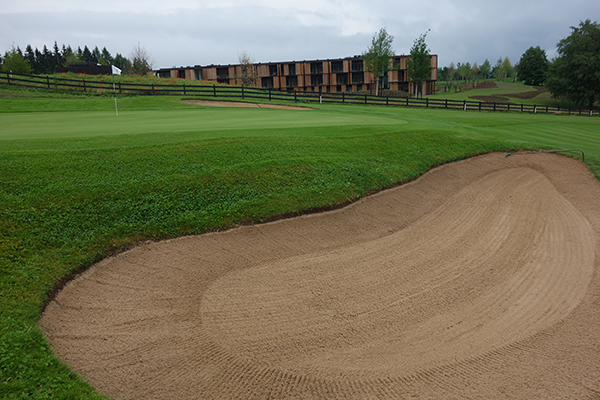
How much protection for protected areas?
The Alps are a bastion of biodiversity, a function that will become even more important in the future as rising temperatures endanger the survival of many species at lower altitudes.
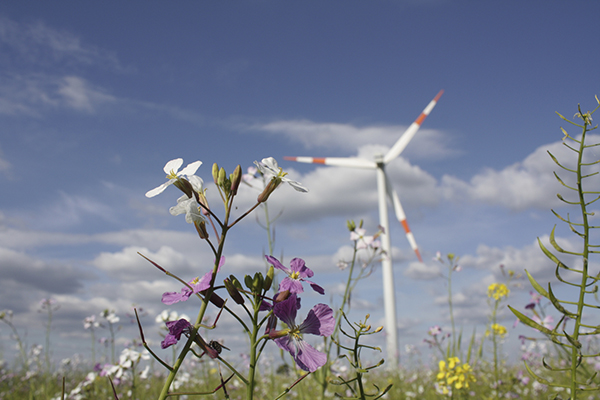
Energy and nature in the Alps: a balancing act
How do we manage the balancing act between renewable energy production and nature conservation in the Alps? The final conference of the recharge.green project can provide the answers. Organised by CIPRA, it will take place from 20 to 21 May 2015 in Sonthofen, Germany.
alpMedia
Strange but true...
... a white complexion, slim, almost dainty – truly a feast for the eyes. And, most important of all, very well developed.
Events
There is nothing to see here at the moment. Why not take a look at the other countries?
Projects
CIPRA International
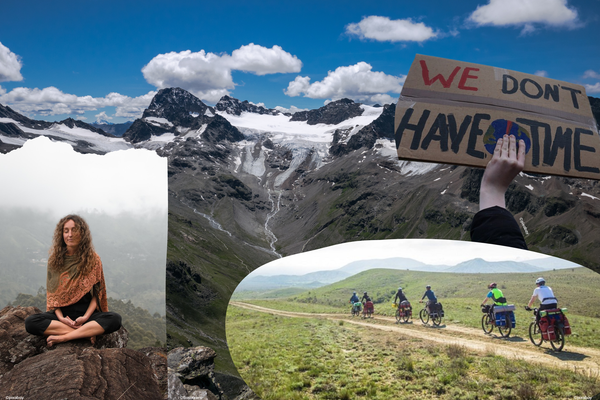
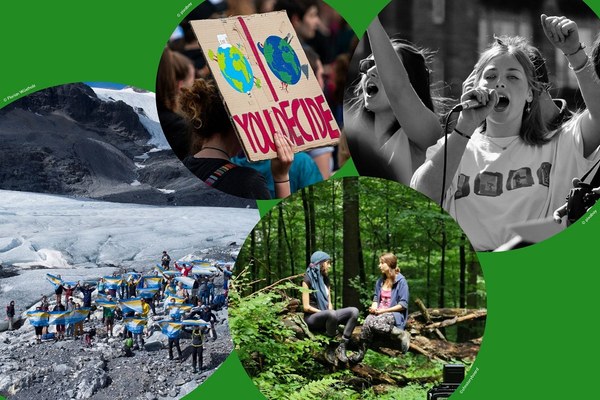
Alpine Climate Camps
[Project completed] Recharge your batteries, experience glaciers, go by bike: The Alpine Climate Camps project combines mountain sports and climate protection while encouraging young climate activists.
CIPRA International
Alpine Climate Action
[Project completed] From classic forms of political participation to creative methods of non-violent civil resistance: in four online workshops, young adults learn about a range of political engagement – and how they can use it to campaign for climate protection.
CIPRA International
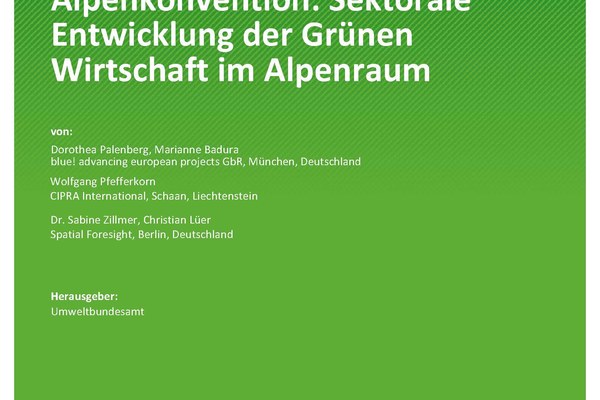
Alpine Convention - Sectoral development of the Green Economy in the Alpine region
[Project completed] Promoting environmentally sustainable growth while recognising ecological limits: the Green Economy is low-carbon, resource-efficient and socially inclusive. This form of economy preserves the Alpine ecosystem while making use of existing natural capital.