
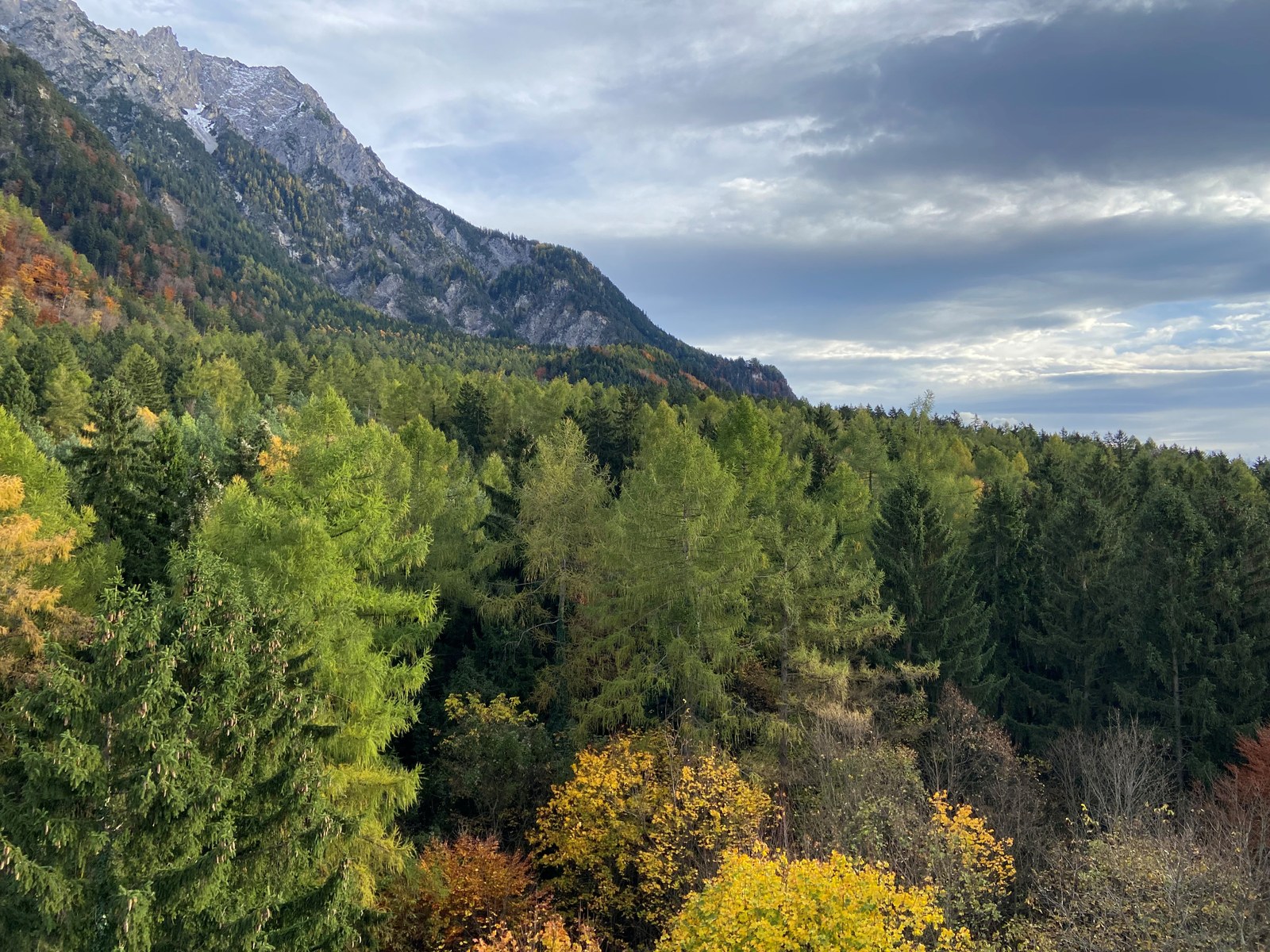
Act now to protect forests: sign the #HandsOffNature petition!
More than 40 percent of the Alpine region is covered by forests. They are not only a defining feature of the landscape, but also a cornerstone of Alpine livelihood, providing building materials, supporting biodiversity, and delivering essential ecosystem services.
CIPRA Germany

Would you like to find out more about CIPRA's country representative in Germany? Click here!
More news
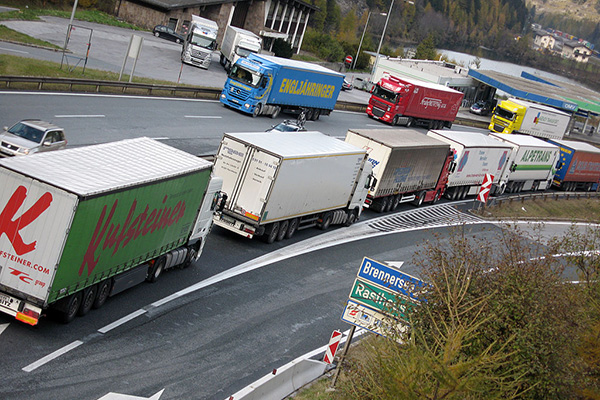
The Brenner Pass: transit trouble
The year 2017 saw record numbers of trucks crossing the Brenner Pass. Now there is an opportunity to find a solution to the problem.
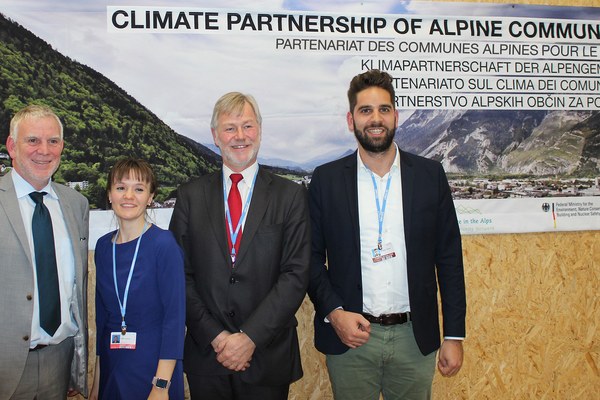
The Alps as the focus of climate policy
Temperatures in the Alps are rising faster than the global average. The search for solutions is not limited to the World Climate Conference being held in Bonn, Germany.

Going further, together
There is an African saying that goes: “If you want to go quickly, go alone. If you want to go far, go with others.” And the trail to sustainable development in the Alps and to preserving the alpine natural environment, its habitat and its economic area is a very long one indeed. It is one the Alliance in the Alps network of municipalities and CIPRA International have been trekking along together since 1997.
Reliable partnerships right across the Alps
CIPRA Austria, CIPRA Germany, CIPRA South Tyrol. Right now the cable car industry is all about superlatives. Indeed, the “world’s greatest glacier ski area” is to be created by linking up the ski resorts in the Austrian Pitztal and Ötztal valleys.
Events
There is nothing to see here at the moment. Why not take a look at the other countries?
Projects
CIPRA International
Reset Alpine Tourism
[Project completed] "Reset Alpine Tourism" brought together relevant tourism stakeholders to discuss climate protection and sustainable development in tourism.
CIPRA International | CIPRA Deutschland | CIPRA France | CIPRA Italia | CIPRA Slovenija
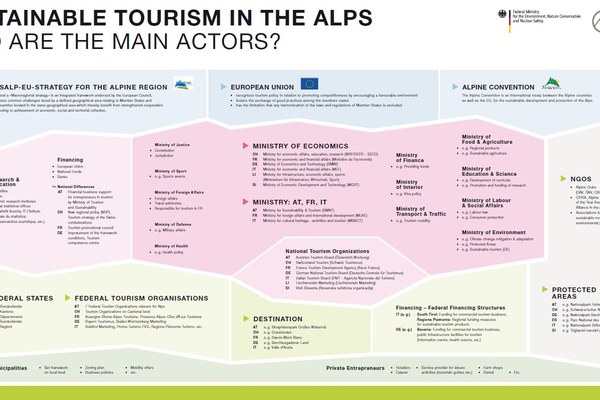
Sustainable Alpine Tourism
[Project completed] Sustainable tourism in the Alps is the only long-term alternative to conventional mass tourism in order to safeguard the habitat for nature and people. So far, however, there is a lack of jointly defined framework conditions on anational or alpine level for planning, promoting and implementing sustainable tourism.
CIPRA International
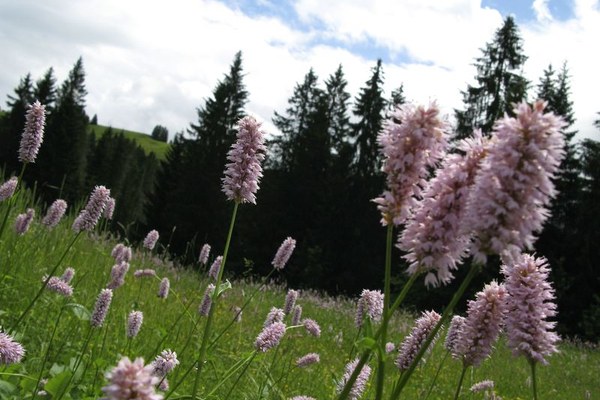
speciAlps
[Project completed] Grasslands, marshes, hedges, biotopes and woods are examples of natural treasures and biological diversity that are of great value to alpine regions and municipalities. Not only do they offer a habitat for plants and animals, but also humans value functioning natural areas for their attractiveness and the quality of life they offer. Nevertheless, –these areas have much more potential than we often realise and there is much more every municipality can do!