Projects & Activities
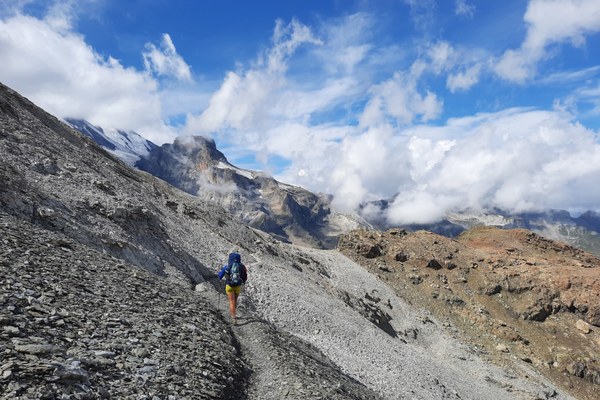
Via Alpina Youth – walking the change
The Via Alpina long-distance-trail has been connecting all of the Alpine countries for over 20 years now. The project “Via Alpina Youth – walking the change” spreads knowledge, ideas and opportunities on sustainable lifestyles, inclusion, environmental protection and climate change along the trail.
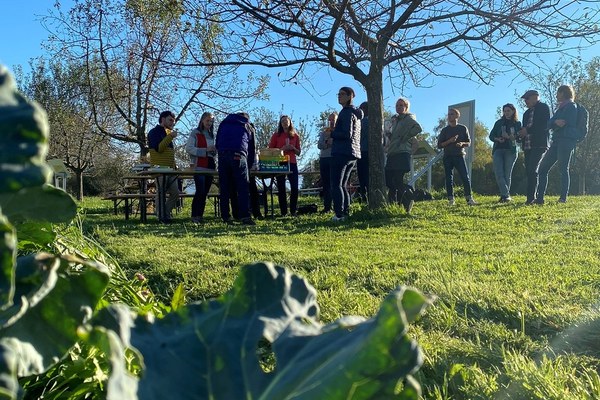
Bon Appétit!
[Project completed] From the field to the plate: In the "Bon Appétit!" project, young people dig into the earth, taste and process regional products and visit farms in their region. They experience how the food on their plate shapes the landscape around them.
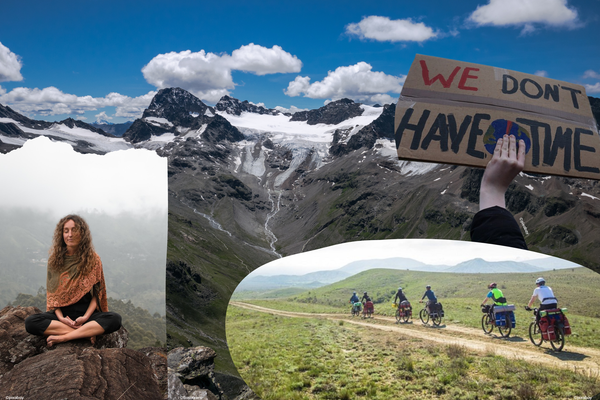
Alpine Climate Camps
[Project completed] Recharge your batteries, experience glaciers, go by bike: The Alpine Climate Camps project combines mountain sports and climate protection while encouraging young climate activists.
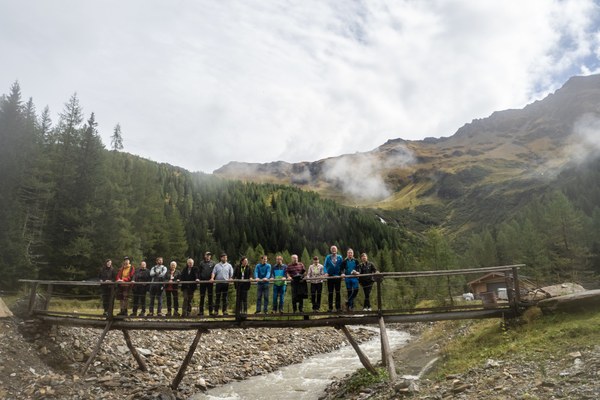
JeloviZA
[Project completed] The JeloviZA project aims to improve the condition of ecosystems and conserve certain species in the Slovenian Natura 2000 site Jelovica. Six project partners are working on a management plan for the area, which will include nature conservation, tourism and regional development.
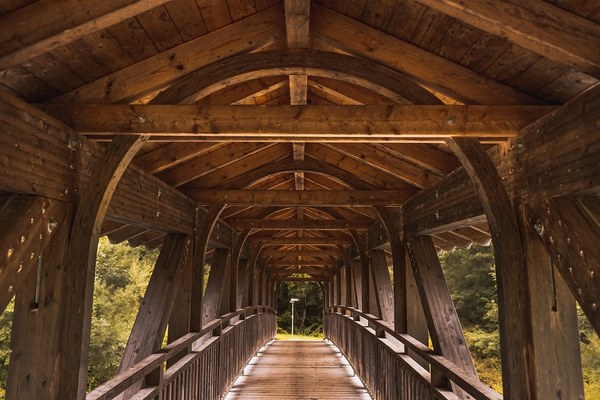
Climate Bridges
[Project completed] The Climate Bridges project strengthens cooperation for transnational climate protection in the Western Balkans, from Croatia via Bosnia-Herzegovina to Albania. Together with other NGOs, CIPRA Lab is setting up a network platform for this purpose.
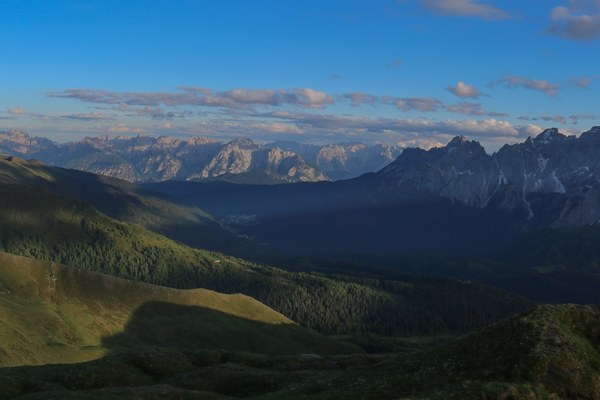
Via Alpina Explorer 2022
[Project completed] Hiking boots on, get set, go! To celebrate the 20th anniversary of the Via Alpina, the long-distance hiking trail across the Alps, we are awarding eight hiking scholarships of €1,500 each to selected individuals with the support of the VAUDE Sport Albrecht von Dewitz Foundation.
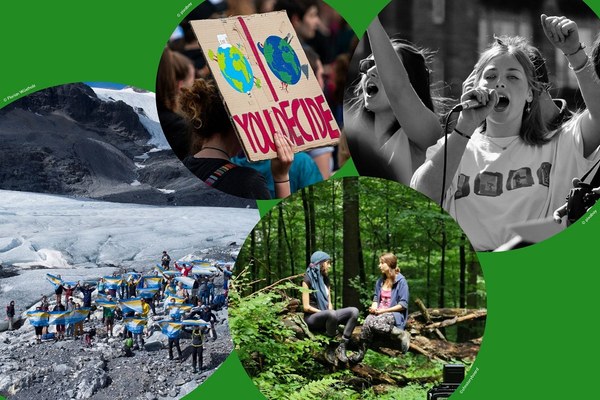
Alpine Climate Action
[Project completed] From classic forms of political participation to creative methods of non-violent civil resistance: in four online workshops, young adults learn about a range of political engagement – and how they can use it to campaign for climate protection.
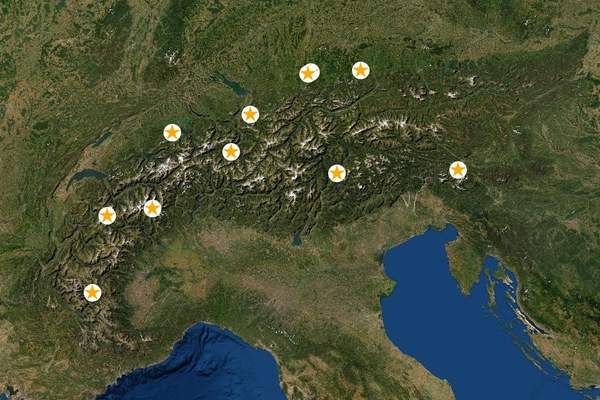
Saving:Soils
[Project completed] With its project “Saving:Soils”, CIPRA is working for a trend reversal in the use of land in peri-urban areas in order to put scientific findings into practice, make pilot examples visible and encourage imitation.
Alpine Convention - Sectoral development of the Green Economy in the Alpine region
[Project completed] Promoting environmentally sustainable growth while recognising ecological limits: the Green Economy is low-carbon, resource-efficient and socially inclusive. This form of economy preserves the Alpine ecosystem while making use of existing natural capital.
Reset Alpine Tourism
[Project completed] "Reset Alpine Tourism" brought together relevant tourism stakeholders to discuss climate protection and sustainable development in tourism.
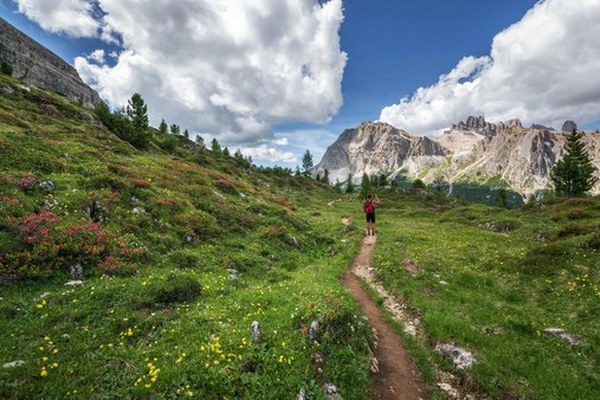
speciAlps2
[Project completed] More and more people are seeking recreation and balance in the natural surroundings of the Alps. This trend is not only being reinforced by the corona crisis, but also by society’s increasing pressure to perform. This puts increasing pressure on animals and plants, but also on destinations with their infrastructure and inhabitants. It is essential for visitors to be guided: the speciAlps2 project raised awareness of the protection of nature and landscape in the Alps and developed measures to guide visitors.
Green Deals for Municipalities
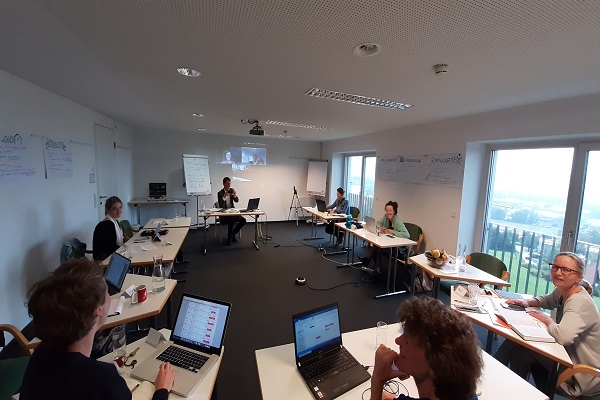
[Project completed] “Think globally – act locally”: promoting local action requires comprehensive skills and wide-ranging knowledge of the people working locally for climate protection. Partner organisations from Germany, Liechtenstein and Austria are now developing a participatory process under a transnational EU project. The goal is to empower local initiatives to act more effectively on climate protection in a global context.
Alps2030
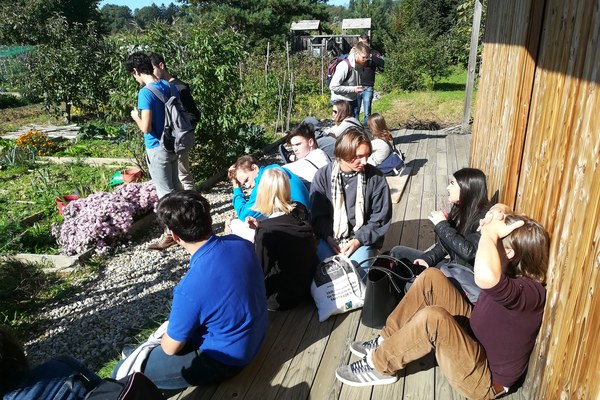
[Project completed] Climate change, increasing consumption of resources and waste problems threaten nature and society in the Alps. With their 17 Sustainable Development Goals (SDGs), almost all countries worldwide have set themselves the target of making global development socially, ecologically and economically sustainable by 2030.
AlpTick
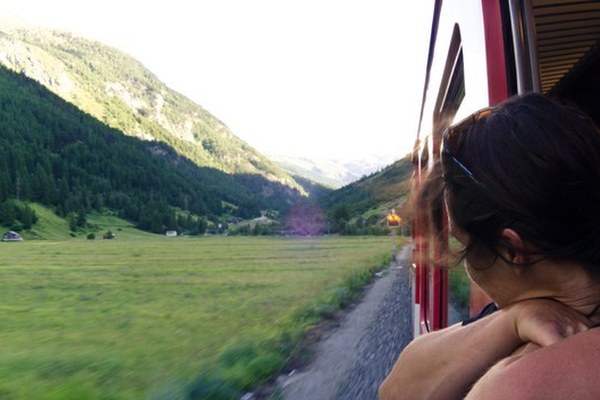
Having one ticket for all public transportation in the entire Alpine region – this is our vision. The Alpine Ticket (AlpTick) makes travelling in the Alps easier, more sustainable and more attractive for young people. It is an idea developed by the CIPRA Youth Council (CYC) based on its members’ experiences of travelling on public transport in the Alps.
Re.sources
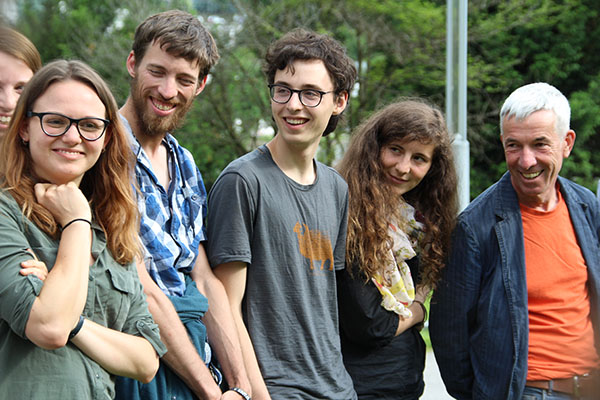
[Project completed] Water, soil, bees, ideas, motivation, time: the Alps contain a wide range of resources. A large part of the natural capital is under threat, while the social potential for more sustainable solutions still slumbers in many places. What are my resources and what are yours? Which ones are in danger and which ones are our lives dependent on? What resources does it take to make a change towards sustainable development in the Alps?
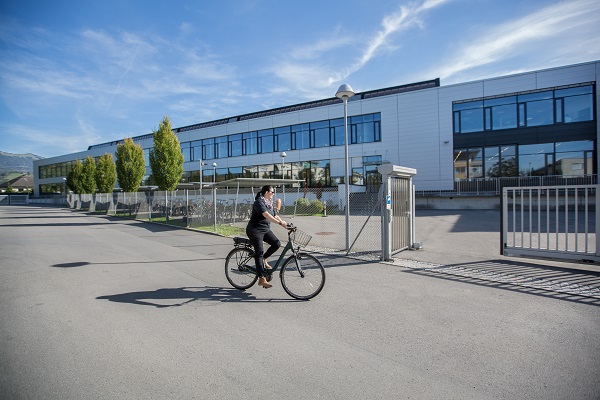
AMIGO - Active Commuter Mobility
[Project completed] Reducing cross-border car traffic and focusing more on active mobility: these are the aims of the Interreg project "Amigo".
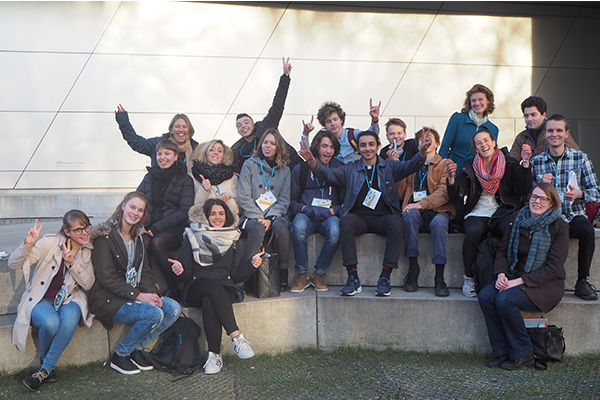
YOUTH.SHAPING.EUSALP
[Project completed] To have a say in Alpine policy, to bring in own topics, to exchange ideas with EU politicians: The "Youth.shaping.EUSALP" project makes young people’s and young adults’ voices heard and develops a concrete strategy for the commitment of the youth within the EUSALP. © CIPRA International
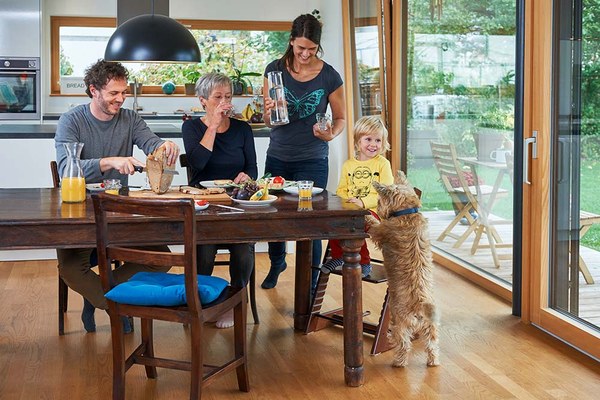
Sustainable lifestyles in the Alps
[Project completed] What we eat, what we throw away, how we live and move around - in short, our lifestyle - affects our environment, our fellow human beings and the climate. The project promoted sustainable lifestyles and identifies good examples in the Alps.
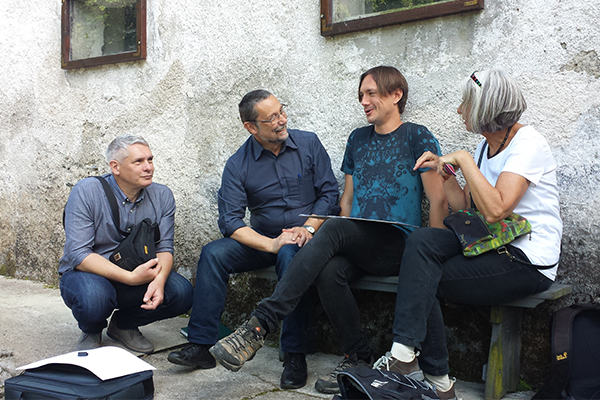
Tour des villes
[Project completed] Contribution of Alpine towns to the Alpine Week and subsequent consolidation: sustainable settlement development with a focus on village/city centre revitalisation and use of open spaces
Re-Imagine Alps
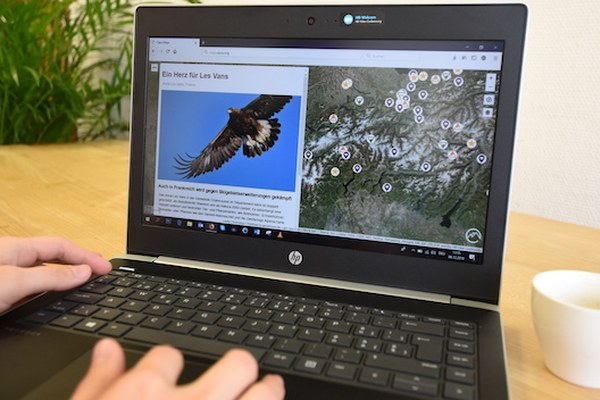
[Project completed] Relations between humans, and between humans and nature, are the focus of the “Re-Imagine Alps” project. People take responsibility for their environment when they feel concerned and involved. Landscape here serves as a frame of reference and focal point for the perception and communication of sustainability issues: various relationships, memories and visions are illuminated in respect of, by, and for landscape in the overall Alpine context. Responsibilities and obligations grow out of ideas and relationships.
UrbaBio
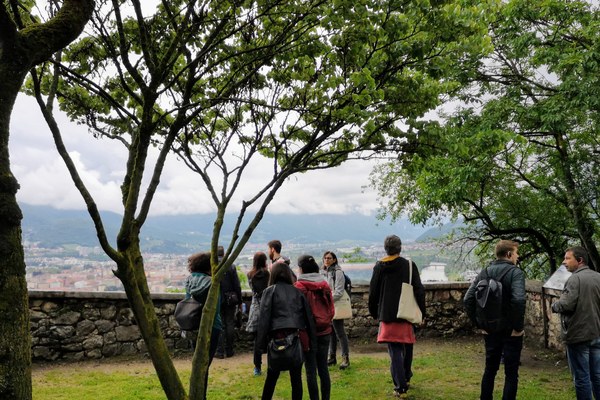
[Project completed] In the project UrbaBio, representatives of the participating Alpine Towns of Annecy, Belluno, Chambéry and Trento drew on each other's broad pool of knowledge to promote biodiversity in the city.
Living Labs
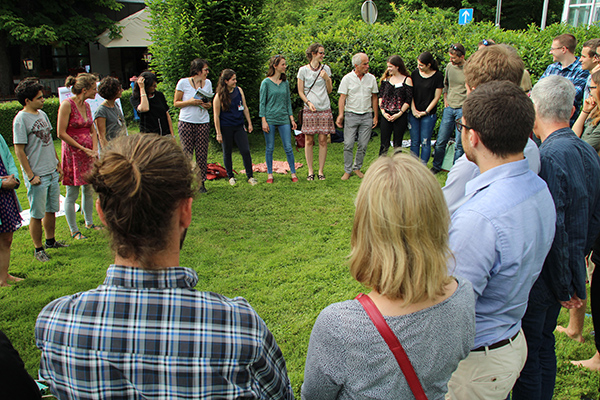
[Project completed] The project “Living Labs” brought together people of different ages from different Alpine countries to work together on process and know-how on selected topics. The project approach was participative and based on the principles of co-creation between young talents aged 18-30 years, environmental NGOs, civil society and politicians. The participants of this intergenerational project are committed to the sustainable development of the Alps at local, national and international level. For a desirable future it is important to set the right course today and to talk about how existing natural resources can be used sustainably.
Sustainable Alpine Tourism
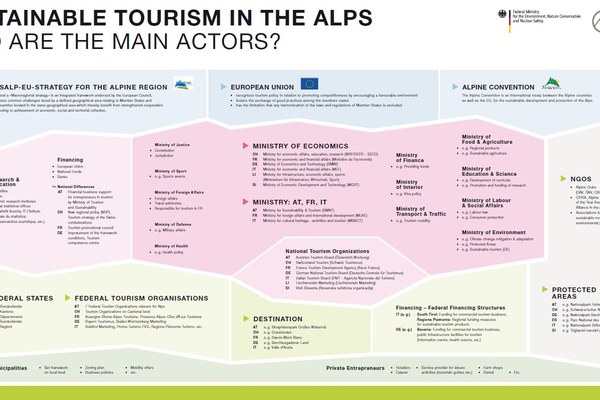
[Project completed] Sustainable tourism in the Alps is the only long-term alternative to conventional mass tourism in order to safeguard the habitat for nature and people. So far, however, there is a lack of jointly defined framework conditions on anational or alpine level for planning, promoting and implementing sustainable tourism.
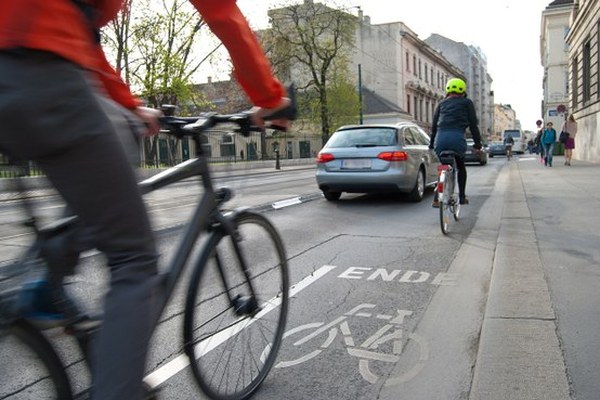
Cross-border mobility
[Project completed] Tens of thousands of commuters move across national borders every day in the Alpine region. Existing traffic routes, however, were mostly built with a purely national perspective and are not geared to cross-border commuter flows. The result is overloaded roads, noise and pollution for local residents.
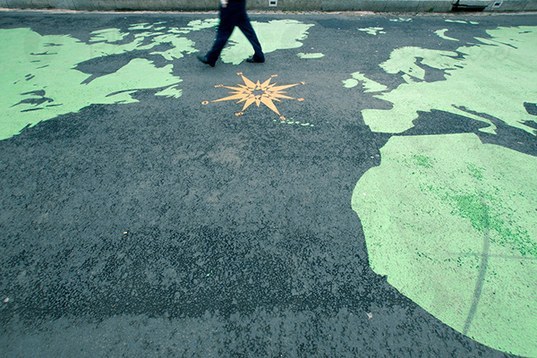
PlurAlps
[Project completed] The Alpine area is experiencing the combined challenges of an ageing population and new migration models. At the same time, opportunities for social innovation and development arise from increasing cultural diversity and pluralism. Mountainous and peripheral Alpine municipalities and regions are specifically concerned and need technical support and new approaches to develop a welcoming culture, which should be credibly embraced and implemented by municipalities, SMEs and civil society.
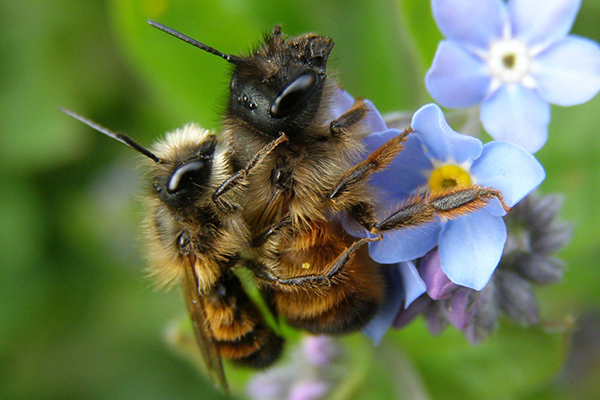
BeeAware!
[Project completed] The aim of the project BeeAware! is to inspire communities in the Alps for bee protection and thus to improve the livelihoods of honey and wild bees. Bees are depending on an intact biodiversity. The different bee species need different plants, nesting and drinking places in order to survive. Integral bee protection therefore means securing, improving and enlarging the habitat of these important pollinators.
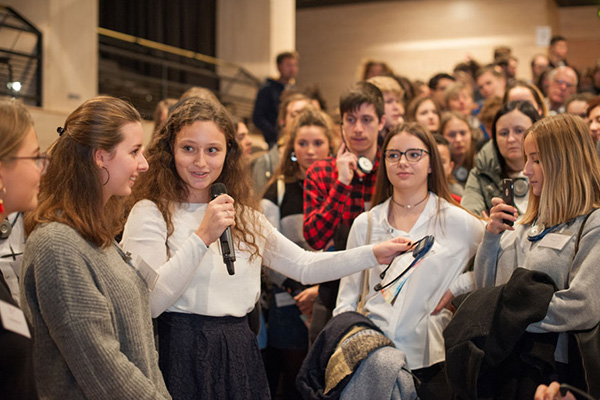
GaYA
[Project completed] Governance and youth in the Alps - Young people tend to leave the Alpine space because they lack personal and professional fulfilment. Furthermore a majority of decision-makers remain unaware of the benefits a young active population brings to society.
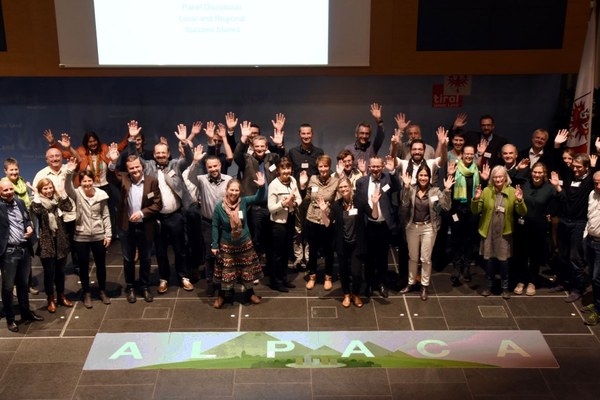
Alpine Partnership for Local Climate Action (ALPACA)
[Project completed] Rising temperatures, rockfalls, lack of snow: global warming is clearly noticeable in the Alpine region. The «Alpine Partnership for Local Climate Action» has the intention to bring together cities, municipalities and networks in order to work together for more climate protection. With this initiative, CIPRA International, «Alliance in the Alps» and «Alpine Town of the Year» want to strengthen the transregional exchange of knowledge and experience. The goal of positioning the Alps as a model region for climate protection is also in line with the Alpine Convention.
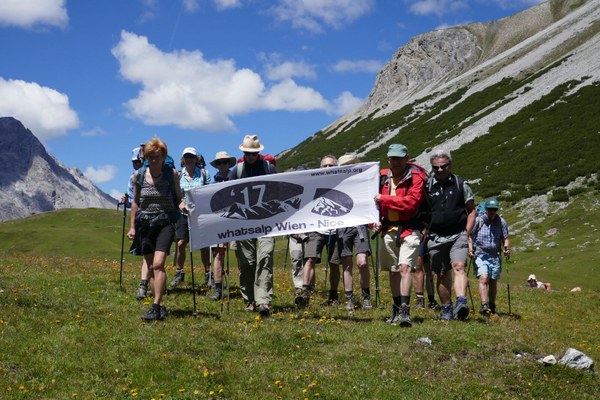
whatsalp
[Project completed] Starting 3rd of June 2017, a group of Alpine experts were hiking through Austria, Switzerland, France and Italy from Vienna to Nice in the course of the project “whatsalp”. They documented the current state of the Alps and exchanged experiences with different people on-site and on the way.