
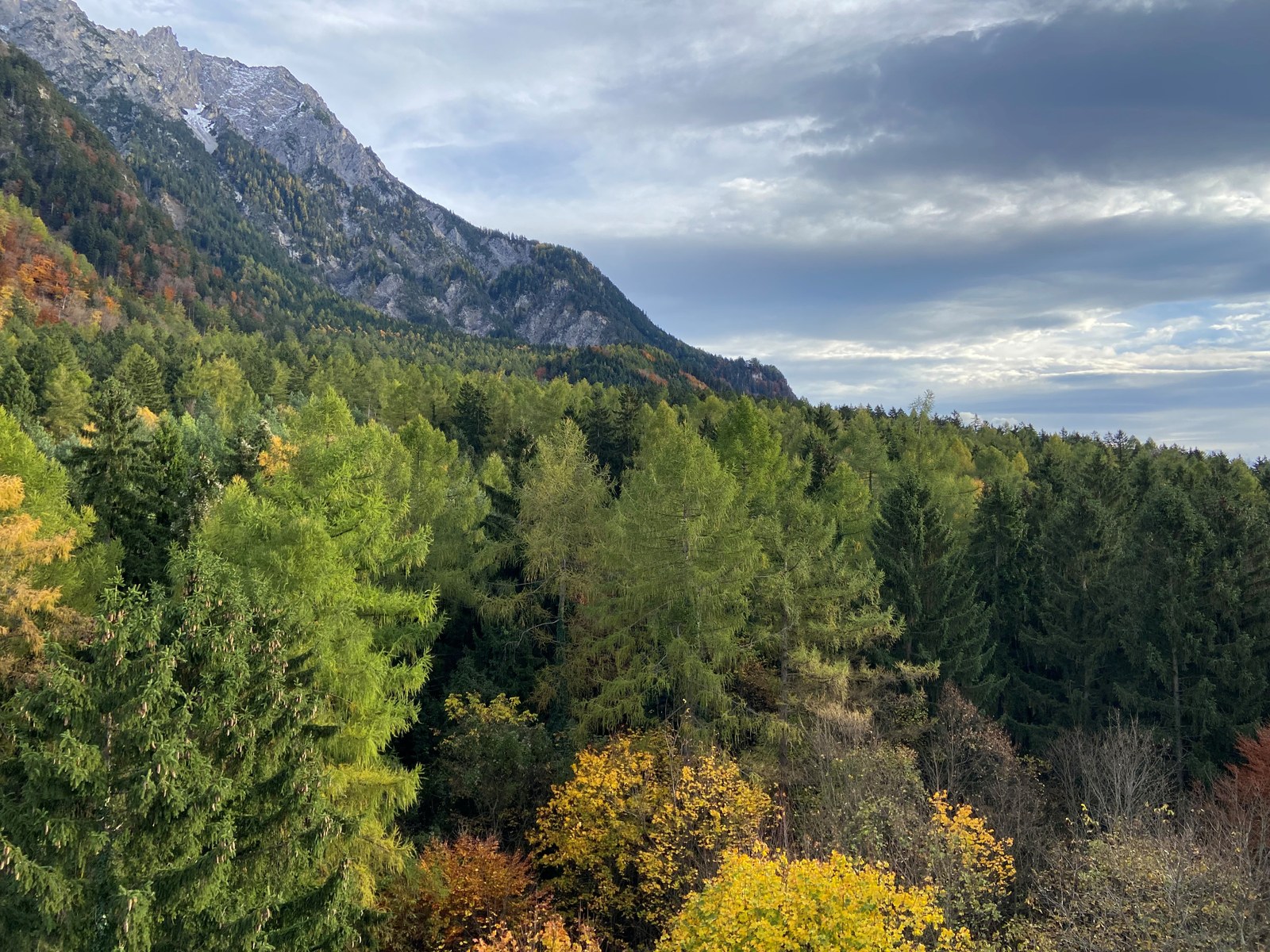
Act now to protect forests: sign the #HandsOffNature petition!
More than 40 percent of the Alpine region is covered by forests. They are not only a defining feature of the landscape, but also a cornerstone of Alpine livelihood, providing building materials, supporting biodiversity, and delivering essential ecosystem services.

Who is CIPRA?
Find out more!
More articles
alpMedia | Schaan, LI
Snow levels depend on more than just altitude
New results by the Austrian research project STRATEGE show that snow levels do not necessarily depend on altitude. In precipitation scenarios relating to climate change, researchers found that other factors such as the micro climate, relief and exposure of the locations concerned also had to be considered.
![Alpweek 2008 - Innovating [in] the Alps](https://www.alpeninbewegung.org/en/news/2840/@@images/image-600-c5af1f49457a2db294746762c4601bb5.jpeg "Alpweek 2008 - Innovating [in] the Alps")
alpMedia | Schaan, LI
Alpweek 2008 - Innovating [in] the Alps
The second edition of the Alpweek is being held in the Pays des Ecrins/F from 11 to 14 June 2008, with players from throughout the Alpine region discussing issues of sustainable development. After the positive experiences of the 2004 Alpweek in Kranjska Gora/SI the major Alpine networks ISCAR, CIPRA, Alliance in the Alps, ALPARC and Club Arc Alpin decided to repeat the event in 2008.
alpMedia | Schaan, LI
EU warming to the idea of an Alpine transit exchange
For some time now Switzerland's Bundesrat [Federal Council] has been wanting to push ahead with relocating freight-related transit traffic from the road to the rail by creating an Alpine transit exchange. Transit quotas for freight on the road could then be auctioned from the exchange.
alpMedia | Schaan, LI
Green Paper on urban mobility
The European Commission's new Green Paper entitled "Towards a new culture for urban mobility" looks at the mobility and ecology of European towns and cities. In Europe a good 60% of the population lives in urban areas. Just under 85% of the EU's gross domestic product is generated in those areas.
Events
|
Symposium 2: Vernacular Buildings in the Anthropocene | Austrian Academy of Sciences, Vienna (Austria) |
Projects

CIPRA International Lab
PlurAlps
[Project completed] The Alpine area is experiencing the combined challenges of an ageing population and new migration models. At the same time, opportunities for social innovation and development arise from increasing cultural diversity and pluralism. Mountainous and peripheral Alpine municipalities and regions are specifically concerned and need technical support and new approaches to develop a welcoming culture, which should be credibly embraced and implemented by municipalities, SMEs and civil society.
CIPRA International
BeeAware!
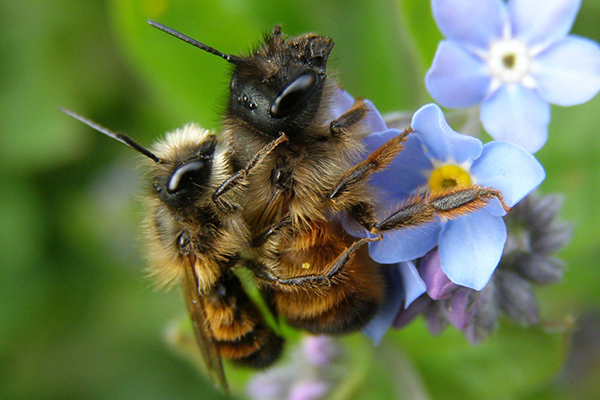
[Project completed] The aim of the project BeeAware! is to inspire communities in the Alps for bee protection and thus to improve the livelihoods of honey and wild bees. Bees are depending on an intact biodiversity. The different bee species need different plants, nesting and drinking places in order to survive. Integral bee protection therefore means securing, improving and enlarging the habitat of these important pollinators.
CIPRA International
GaYA
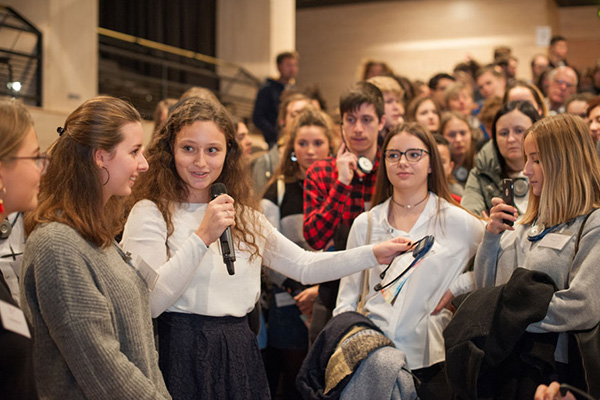
[Project completed] Governance and youth in the Alps - Young people tend to leave the Alpine space because they lack personal and professional fulfilment. Furthermore a majority of decision-makers remain unaware of the benefits a young active population brings to society.