
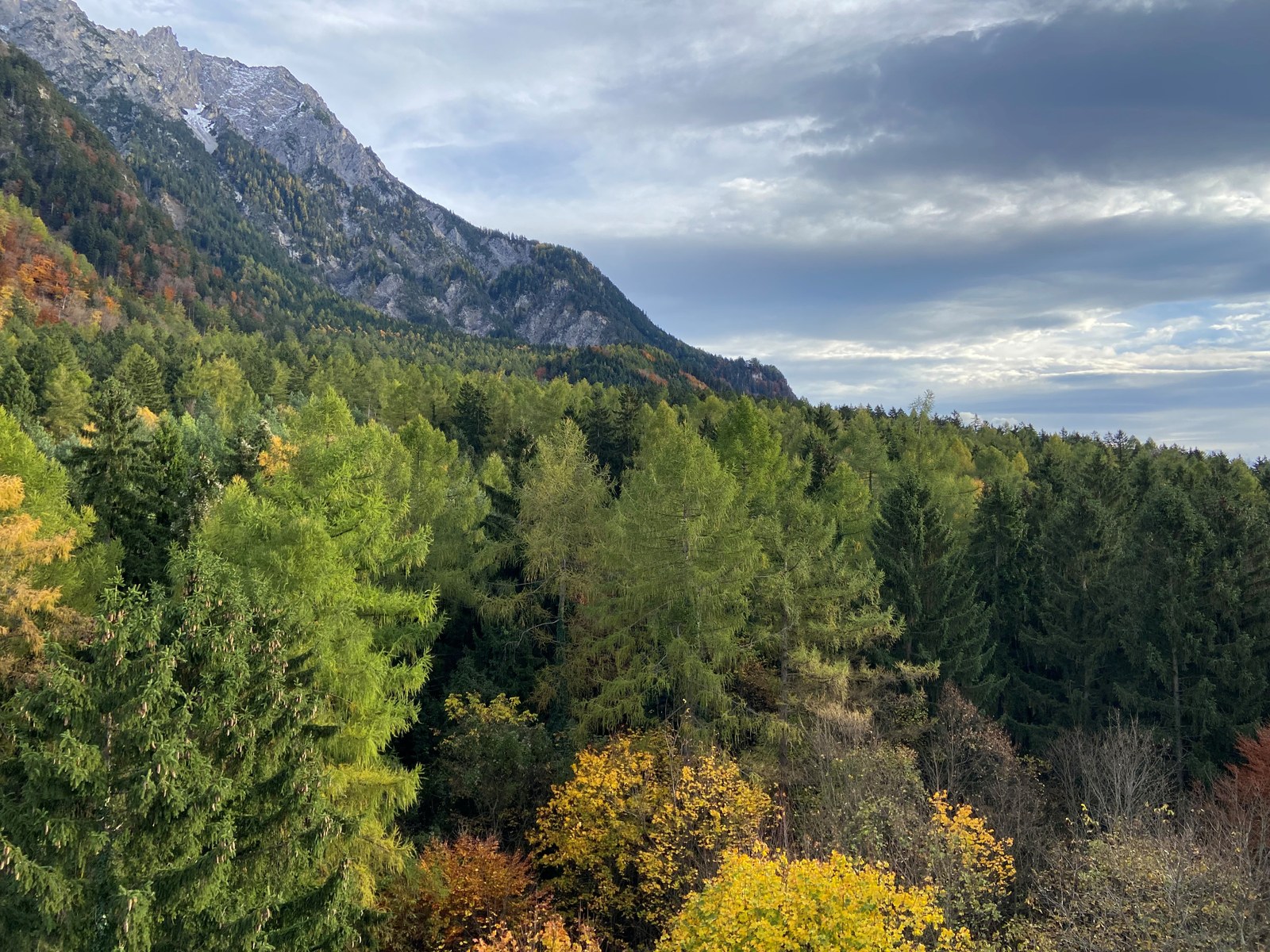
Act now to protect forests: sign the #HandsOffNature petition!
More than 40 percent of the Alpine region is covered by forests. They are not only a defining feature of the landscape, but also a cornerstone of Alpine livelihood, providing building materials, supporting biodiversity, and delivering essential ecosystem services.

Who is CIPRA?
Find out more!
More articles
alpMedia | Schaan, LI
Report on the State of the Alps focuses on transport and mobility
At the end of November the Secretary General of the Alpine Convention, Marco Onida, presented the first part of the Report on the State of the Alps. The Report is now available not just in English but also in German, French, Italian and Slovenian.
alpMedia | Schaan, LI
Onto the slopes by plane
More and more low-cost airlines are flying to the Alps in winter. More than twenty of these "ski destinations" are being offered to winter air travellers. With the offer of connecting flights, air passengers are now able to travel directly to the ski slopes from Salzburg/A, Innsbruck/A, Klagenfurt/A, Zurich/CH, Friedrichshafen/D, Munich/D and, most recently, from Grenoble/F and Memmingen/D.
alpMedia | Schaan, LI
Economic and ecological effects of artificial snow
A new study by the Swiss Federal Institute for Forest, Snow and Landscape Research (WSL) highlights the effects of technical snow-making systems on the regional economy, the use of resources and the environment.
alpMedia | Schaan, LI
A network of sensors for climate forecasts
Environmental scientists and IT and communication engineers have got together as part of the Swiss Experiment Project to try and assess the impact of climate change in the Alps at the earliest possible stage.
Events
|
Youth Parliament to the Alpine Convention: Climate Resilient Development | ||
|
The Better-Cities Event | Ljubljana | |
|
Local Peaks, Global Learning | online | |
|
Transhumance as Intangible Cultural Heritage of Humanity: A Way Forward? | MUCEM, Marseille/France | |
|
Growing alternative crops for new market opportunities in a changing climate | Vienna/Austria |
Projects
CIPRA International | CIPRA Deutschland | CIPRA Italia | CIPRA France
Knowledge transfer on the co-adaptation of humans and wolves in the Alpine region
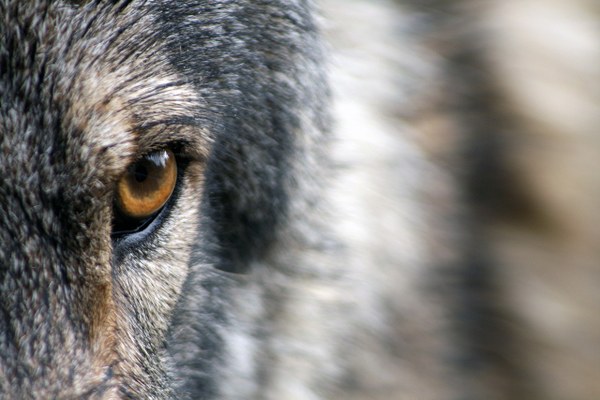
[Project completed] The return of large carnivores is increasingly causing the fronts to harden between different groups of stakeholders. Among the large carnivores returning to the Alps, the wolf is the most widespread and therefore the most widely debated animal. Wolves are synanthropic animals and cross boundaries - physical as well as intangible ones – regularly. Thus, they have been accompanying and influencing social and cultural processes since time immemorial. In this project, CIPRA has taken on the task to collect, analyse, make available and disseminate knowledge about the co-adaptation of humans and wolves throughout the Alps.